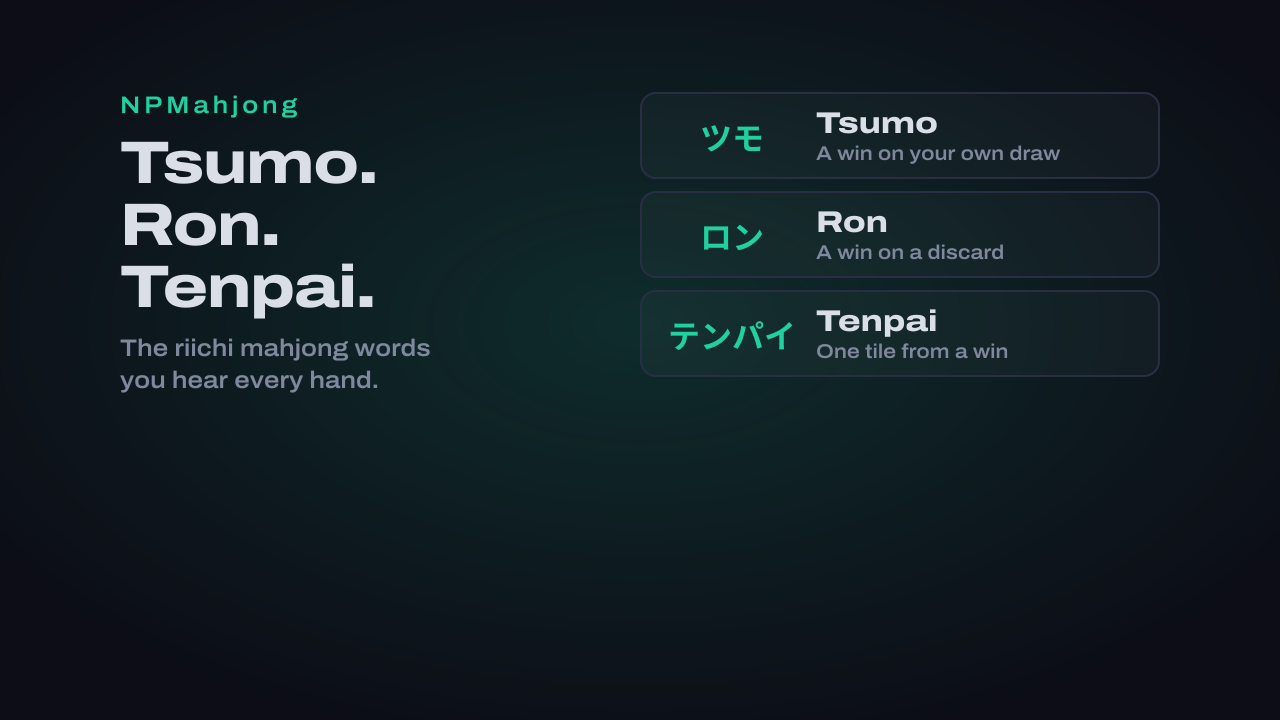
mahjong runs on Japanese words, and three of them come up every hand. Tsumo is a win on a tile you drew yourself. is a win on another player's discard. means your hand is one tile from a win.
This page explains those three first, then the eight terms to learn before your first game. The glossary holds all 216 riichi mahjong terms, searchable in Japanese, romaji, or English.
What is tsumo in mahjong?
Tsumo () means drawing a tile from the wall. Most turns start with one. It's also the word you call when that drawn tile completes your hand. Say "Tsumo!", lay the hand down, and every other player pays.
With a , a tsumo win also scores menzen tsumo, a 1-han yaku. So a closed hand never lacks a yaku when it wins on its own draw.
What does ron mean in mahjong?
Ron (栄) means winning on another player's discard. Call "Ron!" and show your hand. The player who threw that tile pays the whole hand alone.
Ron beats every other call on the same tile, so your ron wins over another player's . One rule blocks it. You can't ron while you're furiten, for example when you've already discarded one of your winning tiles.
Tsumo vs ron
| What changes | Tsumo | Ron |
|---|---|---|
| Winning tile | Your own draw | Another player's discard |
| Who pays | Every other player | The player who threw it |
| Closed hand | Scores , 1 | Starts at 30 fu instead of 20 |
| While | Still wins | Not allowed |
What does tenpai mean?
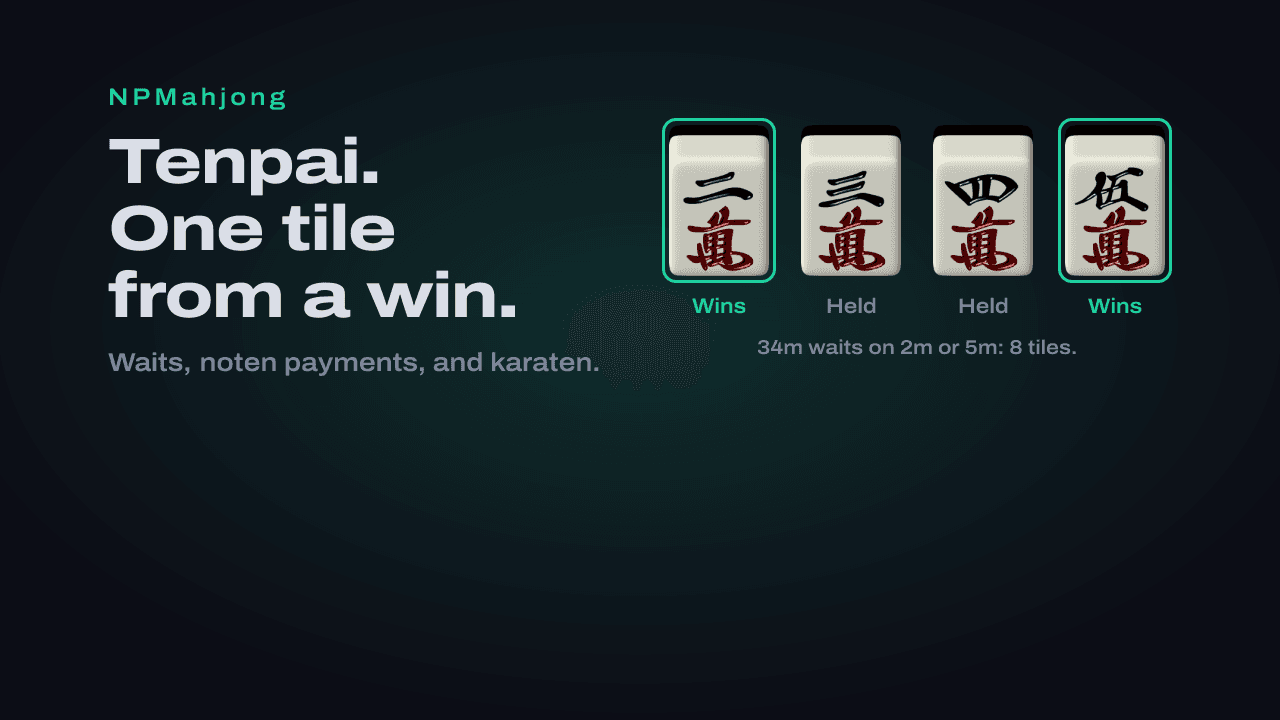
Tenpai (聴牌) means your hand is one tile from a win. This hand is tenpai. It wins on 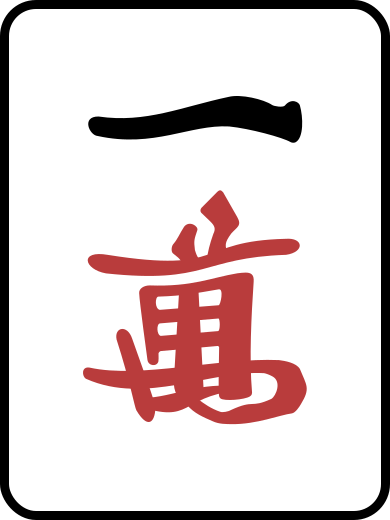 ,
, 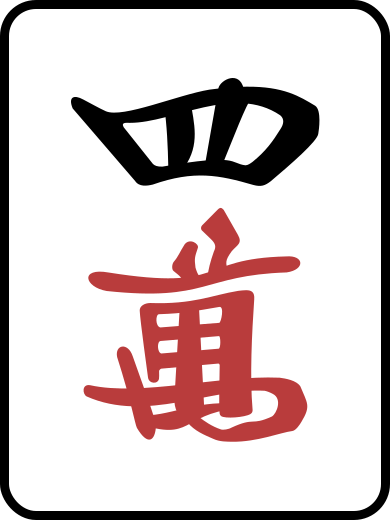 , or
, or 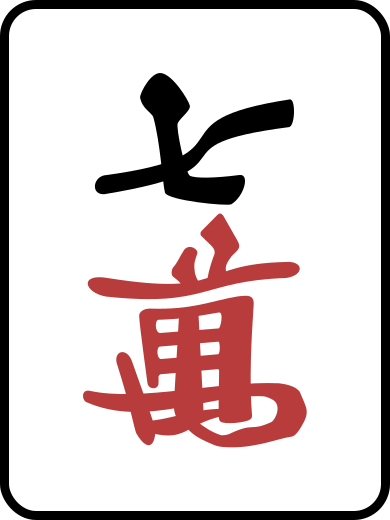 .
.
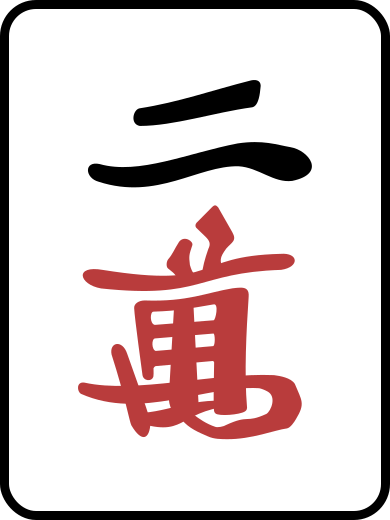
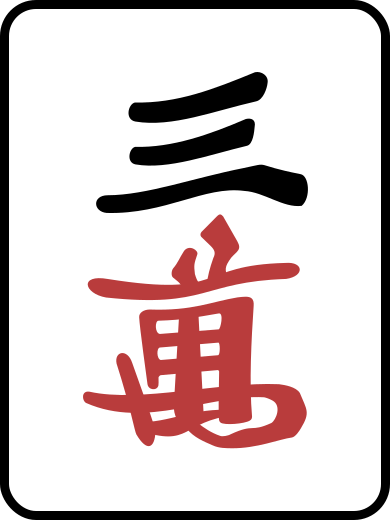
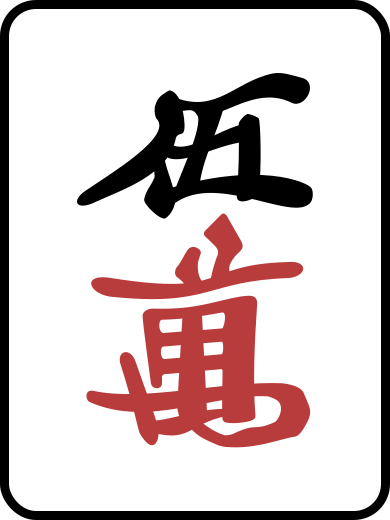
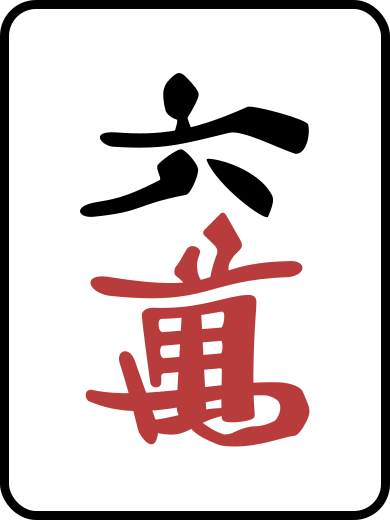
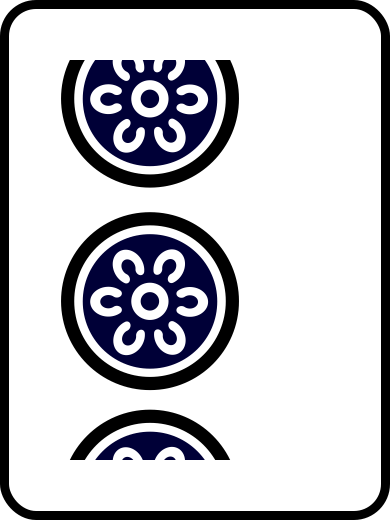
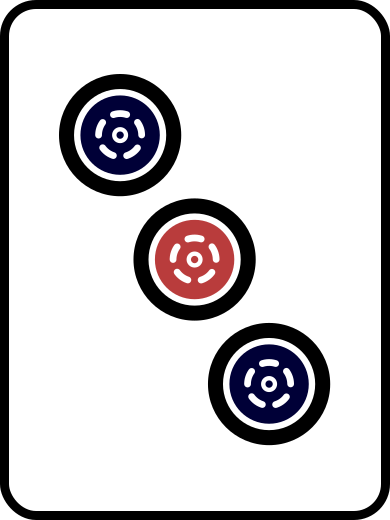
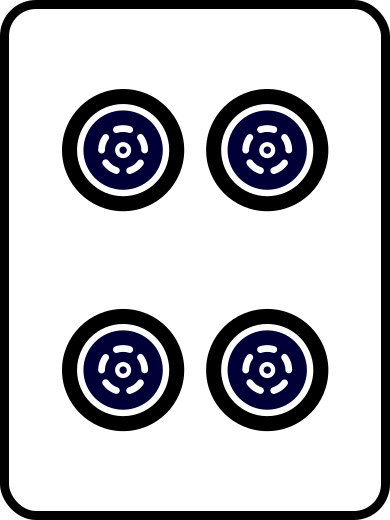
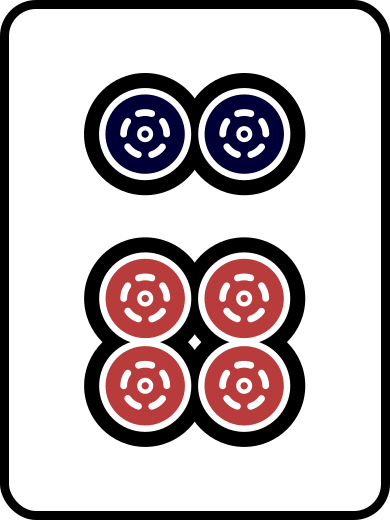
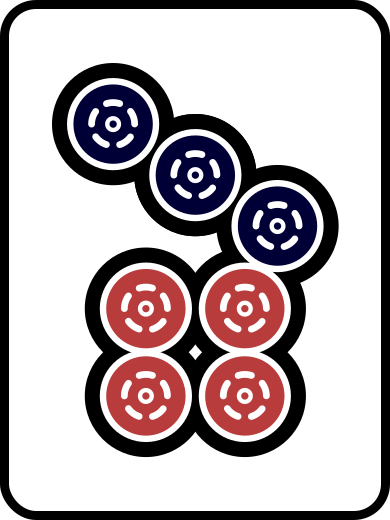
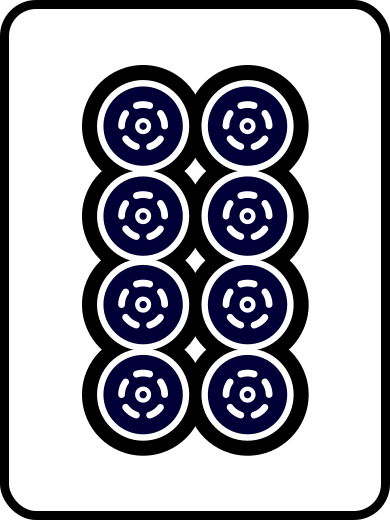

You need a closed tenpai hand to declare riichi. If the wall runs out, the players who aren't tenpai (noten) pay 3,000 points in total to the players who are. Shanten counts how far a hand still is from tenpai.
The tenpai guide covers every wait shape, payments, and .
Terms every beginner should know first
Start here:
- Riichi (立直) - Declare when you are one tile away from winning with a closed hand
- Tsumo (自摸) - Drawing a tile from the wall, and the call when you win by self-draw
- Ron (栄) - Calling a winning tile from another player's discard
- Pon (碰) - Take a to complete a triplet
- Chi () - Calling a sequence
- Dora () - Bonus tiles that add 1 han each. The dora guide shows how to read the indicator
- Tenpai (聴牌) - One tile away from completing a winning hand
- Furiten (振聴) - The rule that blocks your ron. The furiten guide covers all three kinds
Learn these eight before your first game.
Why I built this glossary
After 17 years of playing and 10 as a pro in Japan, I've answered terminology questions thousands of times. New players struggle with the same terms. Intermediate players mix up similar concepts. Even experienced players occasionally forget obscure yaku.
PDF glossaries exist. They're useful. But they're also:
- Hard to search
- Not mobile-friendly
- Overwhelming to browse
- Missing context and examples
So I built one you can search.
The searchable glossary
Search all 216 terms in the glossary
What's inside:
- 216 essential terms covering every aspect of Riichi Mahjong
- Japanese (kanji + hiragana) for authentic learning
- Romaji for pronunciation
- English translations so you understand
- Brief explanations with context
- Usage examples where relevant
How to use it
The glossary is designed for quick lookups and deep learning.
Quick search: Type any term in Japanese, romaji, or English. Results filter instantly.
Category browsing: Click a category tab to focus on specific topics. Learning yaku? Filter to see only winning hands.
Expand for details: Click any card to reveal the full explanation and usage examples.
Jump navigation: On desktop, use the quick-jump menu to skip to any section.
Share a term: Every term has its own link, such as /glossary#tsumo for the draw and /glossary#menzen-tsumo for the yaku.
Terms that confuse intermediate players
These trip people up:
- Shanten vs Tenpai - counts tiles away; tenpai means zero away
- Menzen vs Naki - Closed hand vs open hand (affects scoring)
- Ryanmen vs Kanchan - vs (affects pinfu)
- Ura-suji vs Suji - Dangerous tiles vs safe tiles (defense)
The glossary explains each with context.
Yaku you should memorize
Every player should know:
1 han basics:
is a closed hand with four sequences, a valueless pair, and an open-ended wait.
2 han hands:
High-value targets:
dreams:
All 40 yaku in the glossary include han values and requirements. The riichi yaku list goes deeper, with a page each for riichi, , pinfu, and more.
Slang that makes you sound like a regular
Want to talk like Japanese players?
- Damaten - Silent tenpai (no riichi call)
- Betaori - Full defensive mode
- Ike-ike - Aggressive "" style
- Top/Las - /
- Hikkake - Trap wait using against opponents
44 slang terms in the glossary. Use them sparingly until you're comfortable.
Scoring terms demystified
Scoring confuses everyone at first. Key concepts:
- Han - Main multiplier (yaku + dora)
- Fu - Minipoints from hand composition
- Mangan - 5 han, or 4 han with 40+ fu, or 3 han with 70+ fu (8000/12000 points)
- Haneman, Baiman, Sanbaiman - Higher tiers
- Yakuman - A special hand such as . 32000 points for a , 48000 for the dealer. Tenhou also counts 13 or more han as yakuman; EMA rules score it as
The glossary breaks down each scoring threshold with point values. The scoring guide shows how han and fu turn into points, with both score tables.
Keep learning
This glossary pairs well with other resources:
- Best Riichi Mahjong Tools - Practice and study materials
- Riichi Book 1 - The free strategy guide, and where to download it
- Furiten - Why your ron gets blocked, and when tsumo still wins
- Game Log Reviews - Professional feedback on your play
Bookmark the glossary. Reference it during games. Quiz yourself on categories.
Questions about specific terms? Contact me or join the Discord.
Was this article helpful?