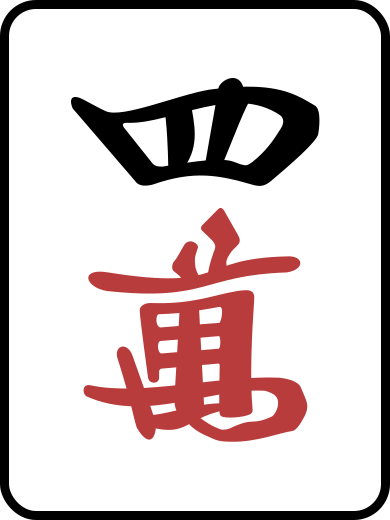
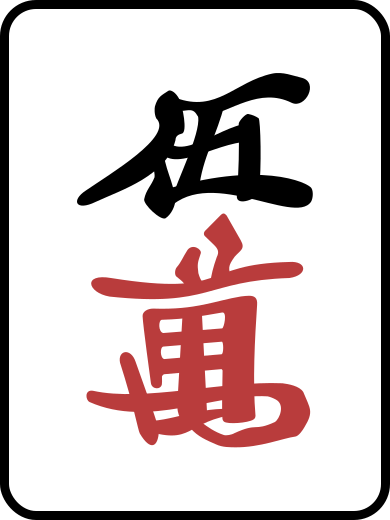
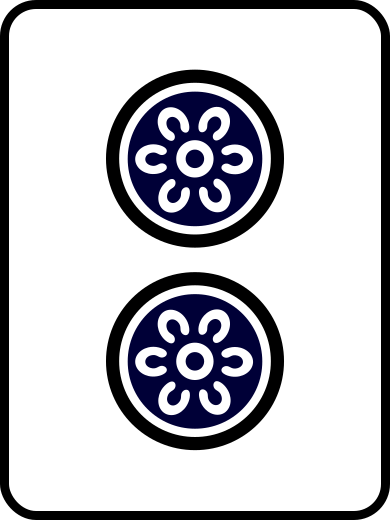
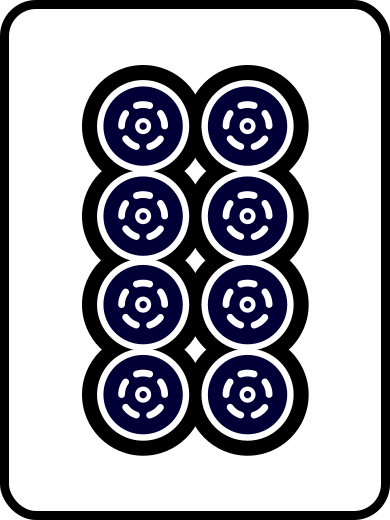
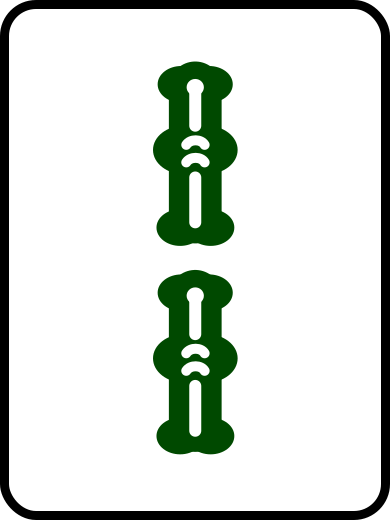
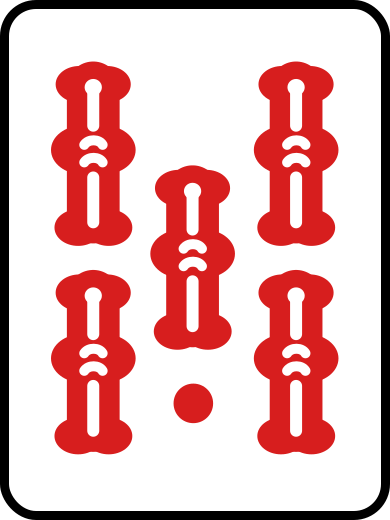
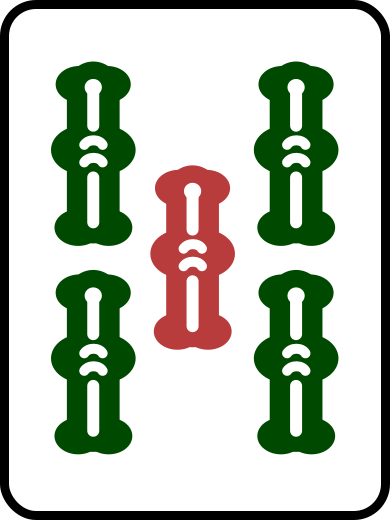
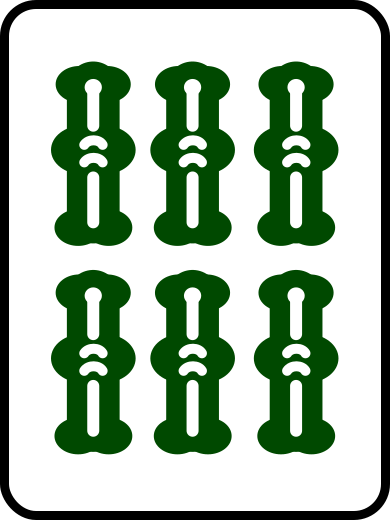
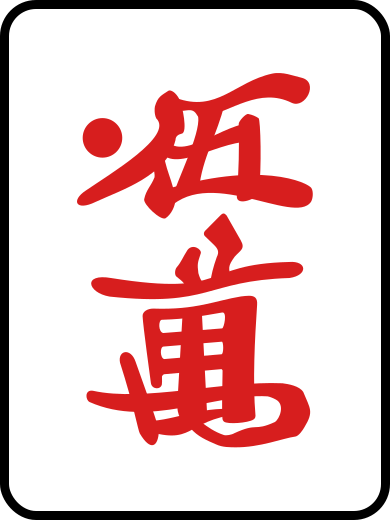
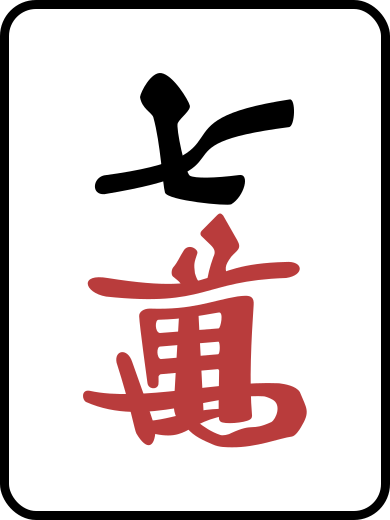
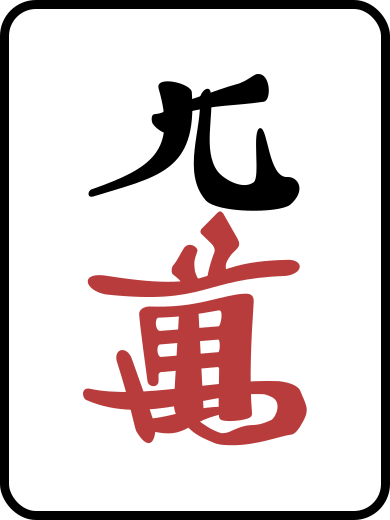
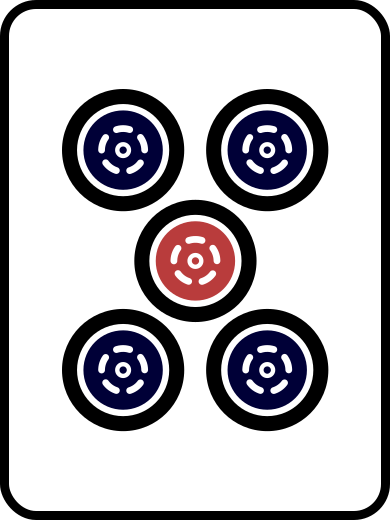
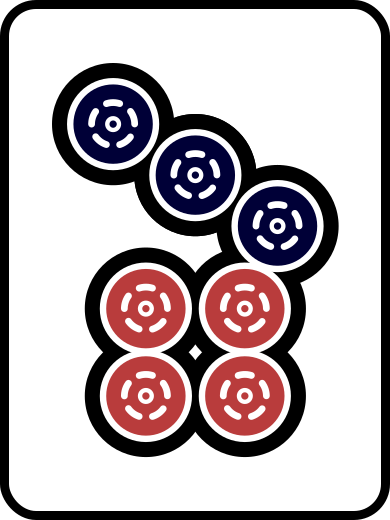
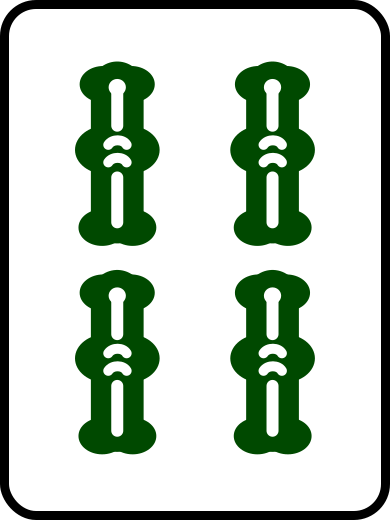
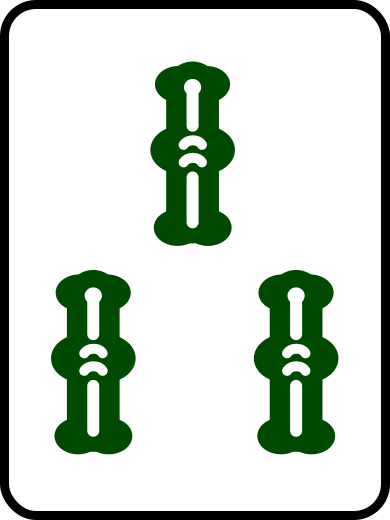
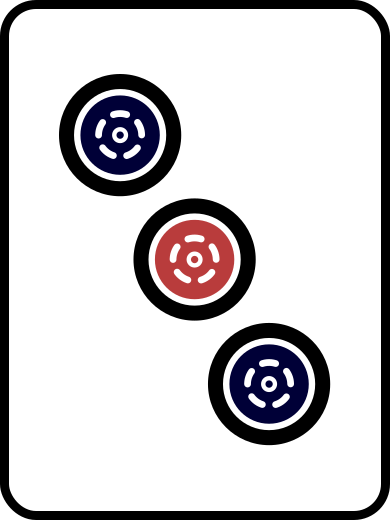
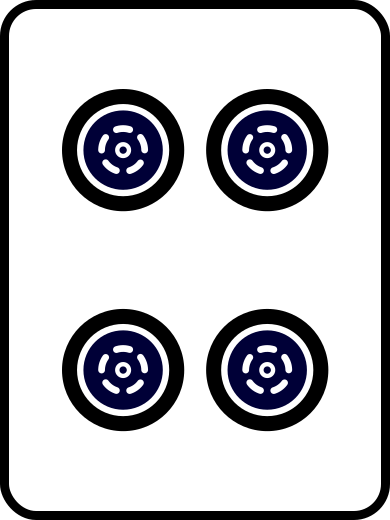
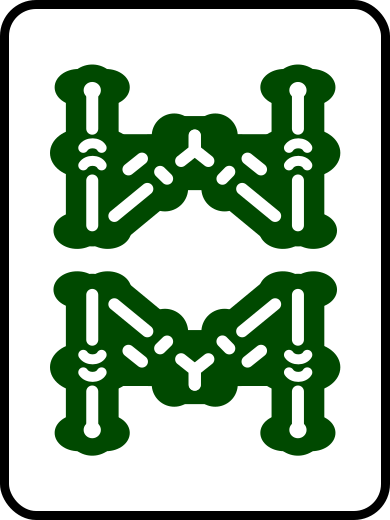
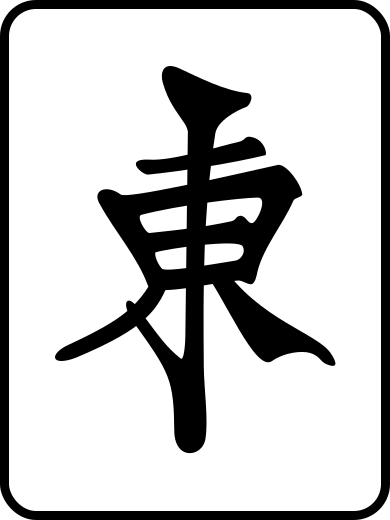
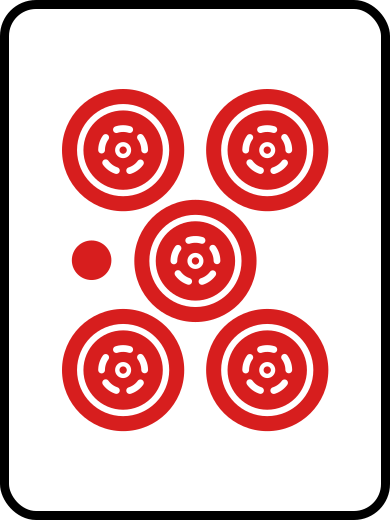
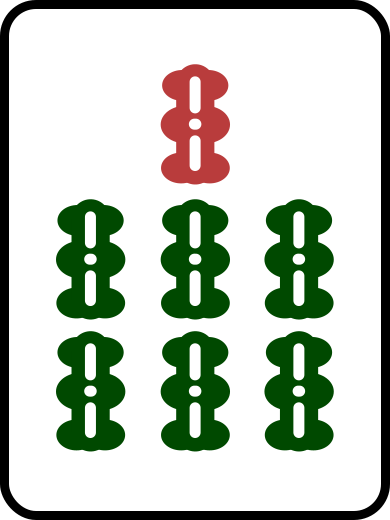
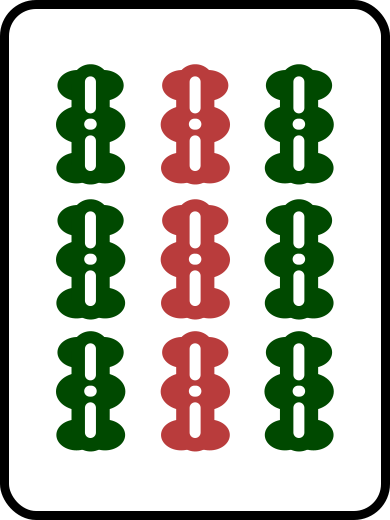
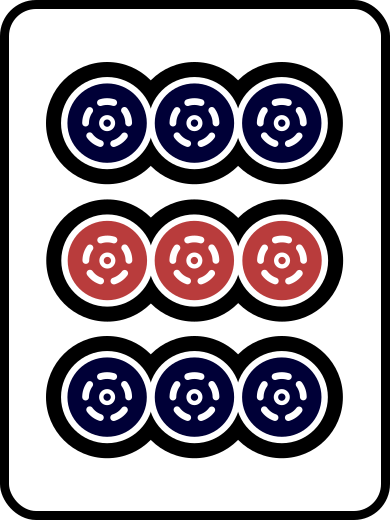
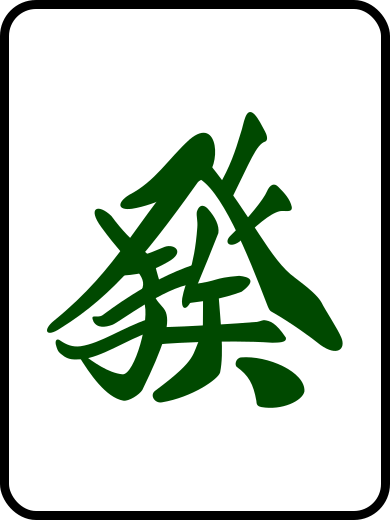
Problem #21. Which tile do you cut?
- East 4
- East seat
- Turn 8
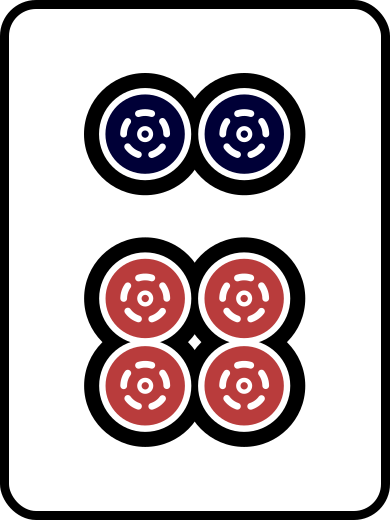
- Dora indicatordora is 7 pin
Tap the tile you'd discard. The one set apart on the right is your draw.
Free tool何切る
A new hand every day at midnight in Japan. Pick your discard, then see how many tiles each choice accepts.
Tap the tile you'd discard. The one set apart on the right is your draw.
Every hand is 14 tiles off a shuffled 136-tile wall with one red five per suit. The dora indicator comes off the same wall. Each problem sits early in an East round, where the widest discard is the default play.
For each discard the page counts ukeire: the draws that bring you closer to tenpai, four copies of each tile minus the ones in your hand, the one you cut, and the dora indicator. The answer is the discard with the lowest shanten and the most tiles. Ties count as right.
A hand only makes the set when that answer is clear. The next-best discard accepts at least two fewer tiles, and the answer is never an isolated tile, the dora, a red five, or a pair of value honors. At 1-shanten, no narrower cut reaches a good-shape tenpai from more draws than the answer, and a tie stays only when both cuts reach one from the same number of draws. Good shape means a wait on two or more kinds, with five or more copies outside your hand.
Acceptance leaves out hand value, safety, and the score. When I post my own answer to a problem, it replaces the count and comes with my reasoning. The table stays, so you can see what the cut costs.
Acceptance is the base. Value, defense, and placement decide the close calls. Send me your logs and I'll show you which cuts cost you points.
Want to hear whenever there's new mahjong content? Pre-subscribe to the upcoming newsletter and I will email you what you always wanted to know about Japanese mahjong before anybody else!