A closed is 6 on its own: a , 12,000 for a non-dealer's ron. Here's the hand Japanese Wikipedia's chinitsu article uses to warn you.

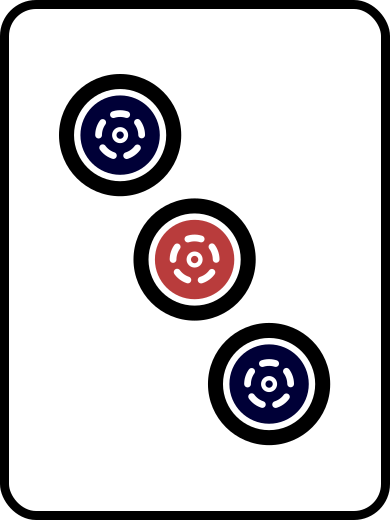
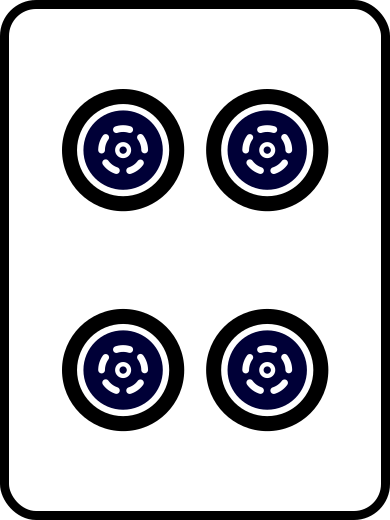
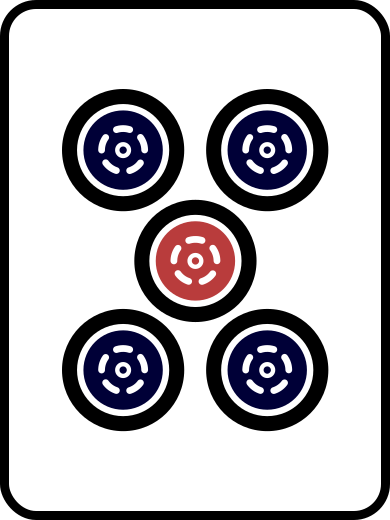
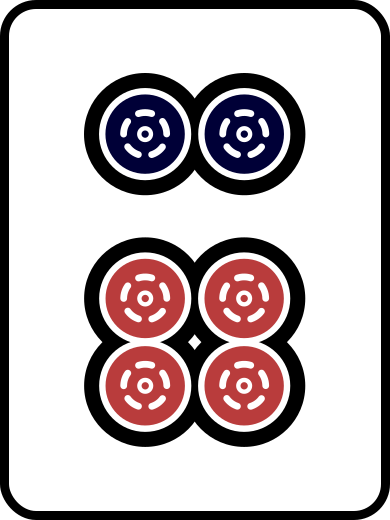
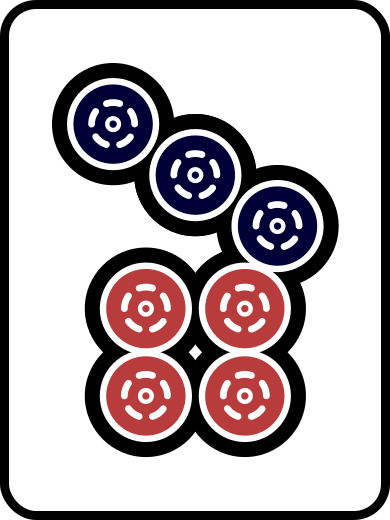
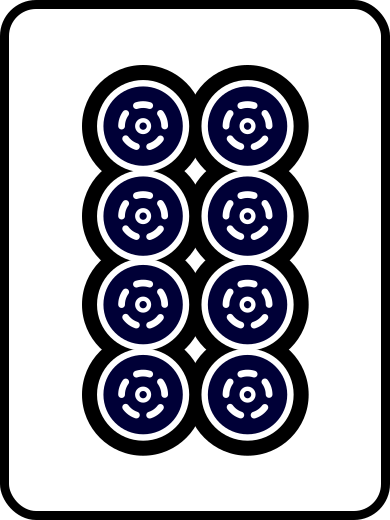
It wins on six numbers: 2, 3, 5, 6, 8, and 9. The article's point is the 8. A player who sees the 3, 6, 9 and the 2, 5 can miss it and throw the 8 they just drew. Now the hand is , and calling on a later 3 is a . The article spells out the cost: a player who should have won a pays a instead.
You can learn the methods in an evening, and the sure one fits in a sentence: add each number from 1 to 9 and check whether the hand splits into sets and a pair. The speed comes from the drills.
Why one suit is hard
In a mixed hand, a 4 of bamboo only talks to the few bamboo you hold. In a one-suit hand all 13 tiles are bamboo, so every tile overlaps the ones beside it, and the overlaps chain across the hand. Any tile can be part of a sequence, part of a triplet, or half of the pair, and each choice changes what the rest of the hand needs.
There are 93,600 different 13-tile hands you can hold in one suit. Of those, 40,070 are : some tile you can still draw makes four sets and a pair.
| Numbers that win | Hands |
|---|---|
| 1 | 14,067 |
| 2 | 14,493 |
| 3 | 6,739 |
| 4 | 2,948 |
| 5 | 1,335 |
| 6 | 392 |
| 7 | 79 |
| 8 | 16 |
| 9 | 1 |
Most one-suit hands wait on one or two numbers. The wide ones are rare, and they're the ones that cost you. adds a wait to a few hands; this guide leaves it out, and so does the drill below.
The sure way: try every number from 1 to 9
Add a 1 to the hand. Pick a pair, take it out, and split the rest into sets of three, starting from the lowest tile. If it splits, the 1 wins. If it doesn't, put the pair back and try the next one. The 1 loses only when no pair works. Do the same with the 2, then the 3, up to the 9.
Two rules save time:
- Skip numbers that touch nothing. A number you don't hold, with no tile within two of it, can't join a set or make a pair.
- Skip numbers you hold four of. There's no fifth copy to draw.
That's slow, but it's never wrong, so use it to check the fast way until you trust it. Press Test 1 to 9 below and the lab runs it for you, one number at a time.
Try it
One-suit wait lab
Build a hand in one suit. Tap a tile in the hand to take it out.
Hand, 7 tiles
Add a tile
Which numbers win?
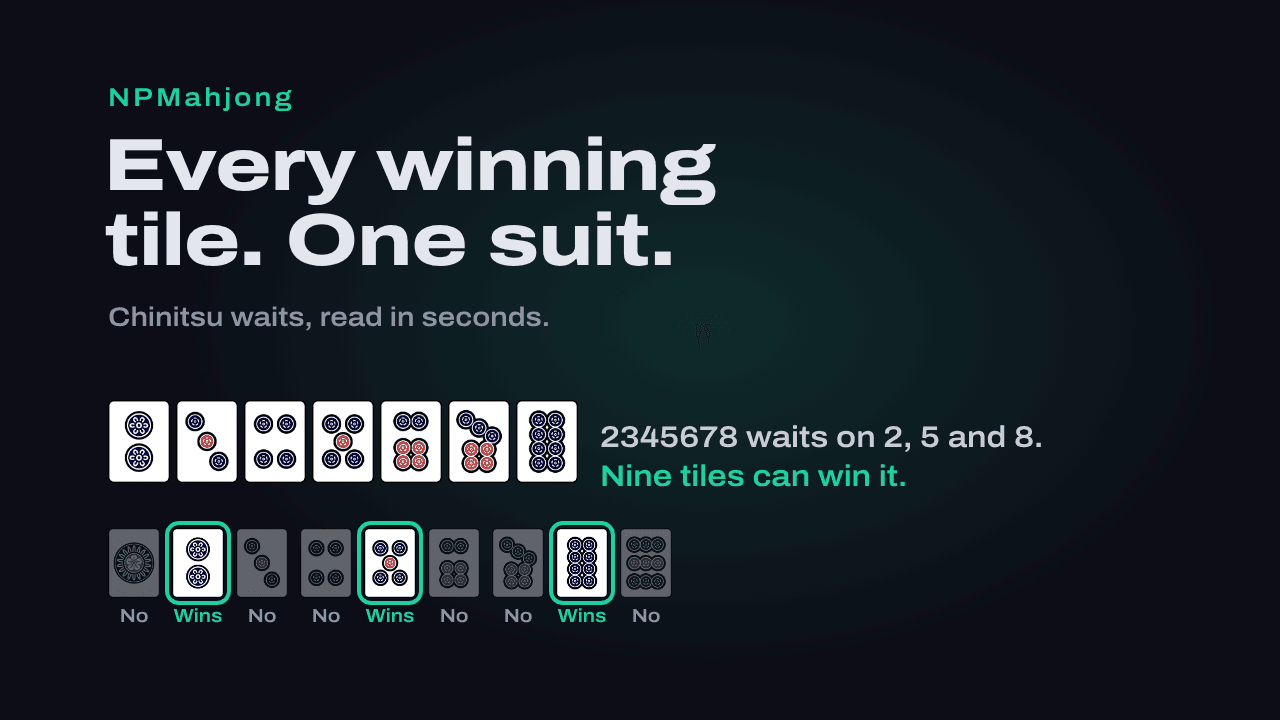
Waits on 2, 5 and 8: 9 tiles left.
Tap a winning number to see how it finishes the hand.
Load The missed eight and tap the 8: it finishes 67 into 678, with the triplet of 1s and the pair of 7s around it. Then load and watch all nine numbers light up.
The fast way: lift out a block
A shorter method comes from 多面張理論 (tamenchan riron, multi-sided wait theory), a free guide by the Japanese blogger 01. Its core rule is とりあえず暗刻を抜け: pull out the triplet first.
- Lift out the triplet. If what's left is tenpai, its waits are yours, except a number you already hold all four of, and the triplet can add more of its own. If it isn't, the triplet can't stay a set. Read the three tiles another way, such as a pair and one tile of a run.
- Split the sequences off from one end. A sequence that starts or ends on a waiting tile stretches the wait three tiles along. A lone 5 waits on the 5; put 567 beside it and 5567 waits on the 5 and the 8. Put 345 beside it and 3455 waits on the 5 and the 2.
- Put the triplet back and lift out a different block, a set or a pair. Each split you find can add a wait.
Here's the guide's own pair of hands. They differ by one tile.
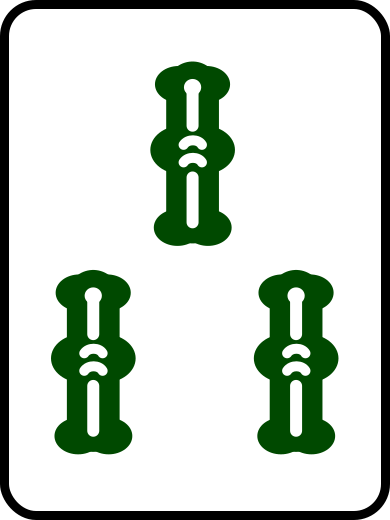
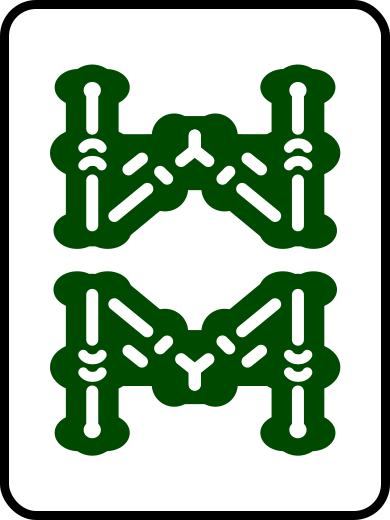
- 123 + 456 + 678 + 33, two-sided

- 333 + 456 + 678 + 22, single wait
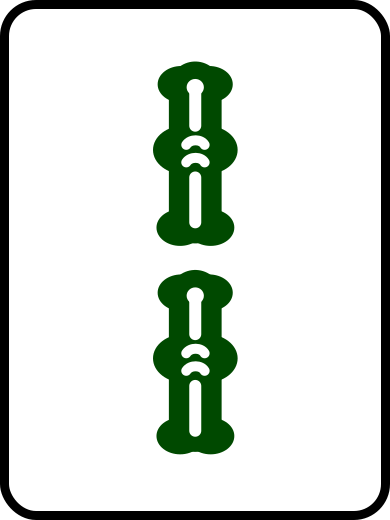
- 234 + 456 + 678 + 33, two-sided
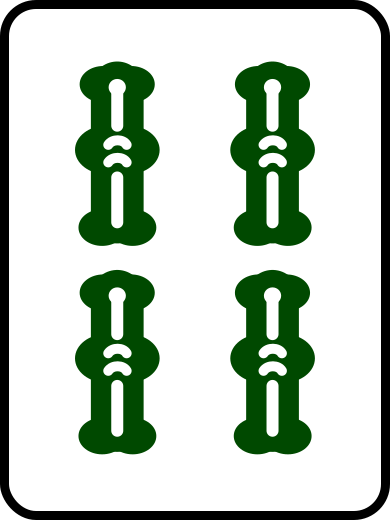
- 234 + 456 + 678 + 33, two-sided
- 234 + 567 + 678 + 33, two-sided
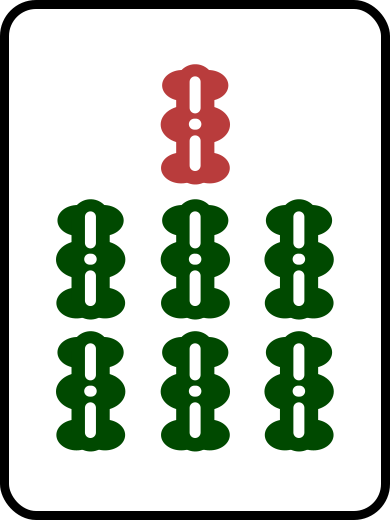
- 234 + 567 + 678 + 33, middle
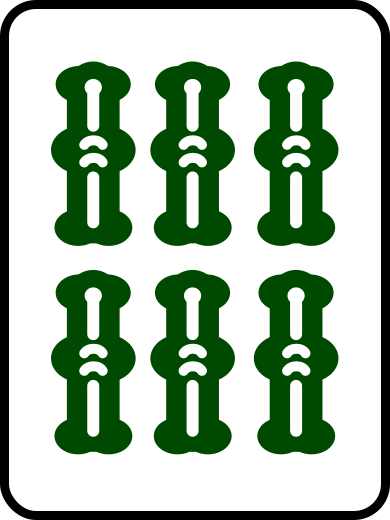
Lift the 333 out of 2333456678 and 2456678 is left. That's tenpai on the 2, so the triplet joins in and the hand waits on the 1, 2, 4, and 7.
- 234 + 567 + 678 + 33, middle
- 234 + 567 + 678 + 33, two-sided
- 234 + 567 + 789 + 33, two-sided
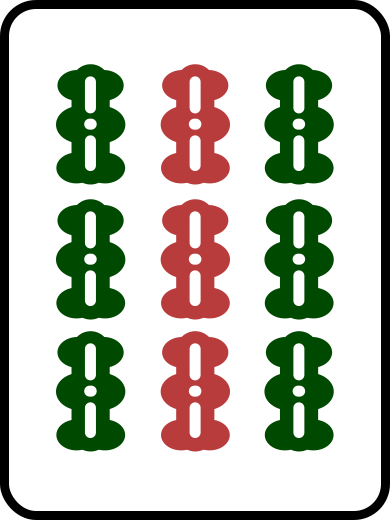
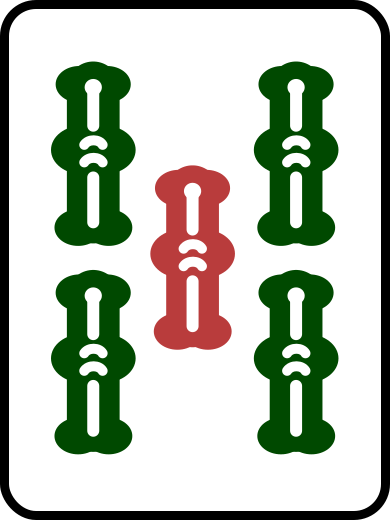
Do the same to 2333456778 and 2456778 is left, which isn't tenpai. So the 3s can't be one set. Take 33 as the pair and 234 as a run, and 56778 is left: 567 plus 78, waiting on the 6 and the 9.
The shapes worth knowing by heart
Japanese Wikipedia's tenpai article says the multi-sided shapes that come up often "aren't that many", and that from four waits up, memorizing them can be faster than working them out. Long one-suit hands are these shapes with finished sets beside them.
- Nobetan延べ単wins on6 left
- Aryanmen亜両面wins on6 left
- Nakabukure中膨れwins on2 left
- Triplet and a neighborwins on11 left
- Triplet and a gapwins on7 left
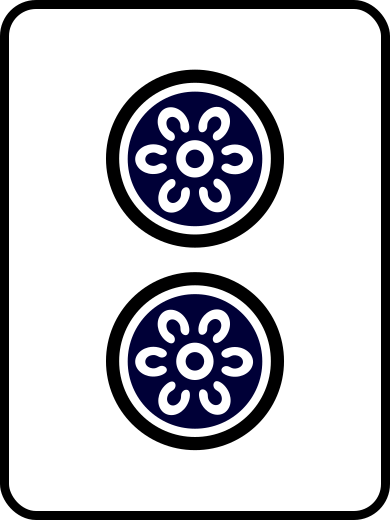
A triplet with a tile next to it is the smallest there is. The 3s can be a set, leaving the 2 to pair, or a pair, leaving 23 to wait on the 1 and the 4. looks wide and isn't: 3445 only wins on the 4.
- Sanmen nobetan三面ノベタンwins on9 left
- Sanmenchan with its pair三面張wins on11 left
- Three-sided wait and a singlewins on14 left
- Triplet and nobetanwins on17 left
- Two triplets and a singlewins on13 left
- Iipeikou shapewins on9 left
The 7-tile shapes are what make feel hard. Read the first row: 1234567 splits three ways into two sequences and a single tile, so it waits on the 1, the 4, and the 7. The fourth row adds a triplet to a and jumps to five waits.
The widest hands
Only one 13-tile hand waits on all nine numbers: 1112345678999, the shape of nine gates. Any tile of its suit finishes it, as the nine gates guide explains. Sixteen hands wait on eight. Here's one.
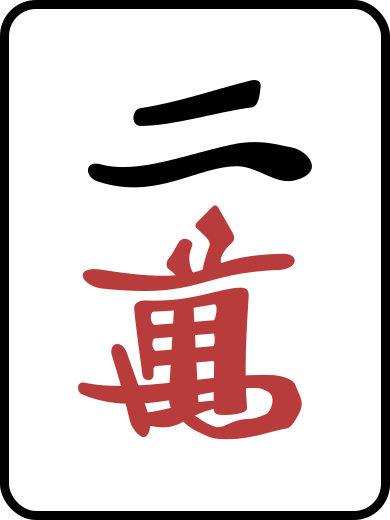
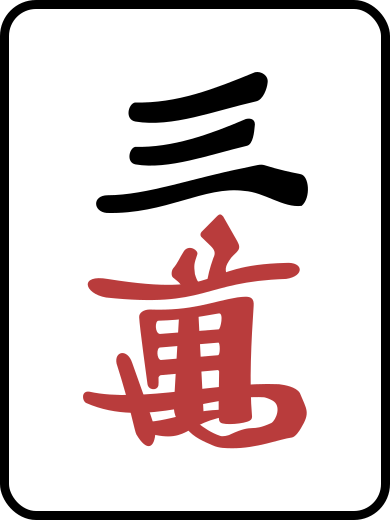
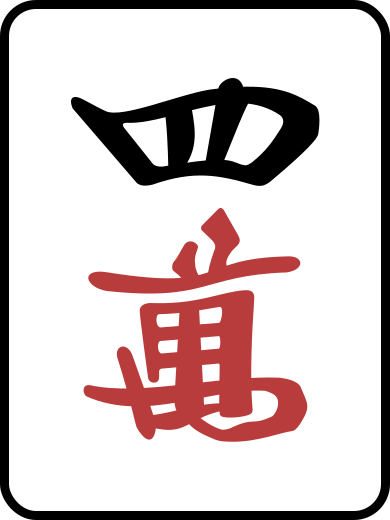
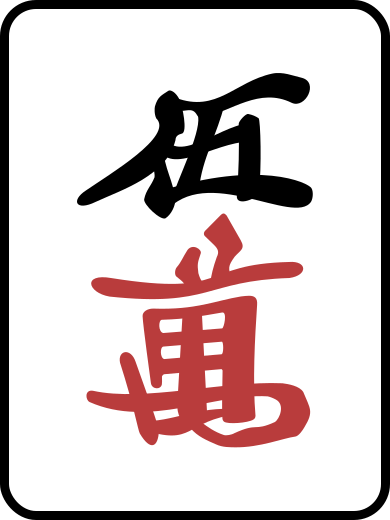
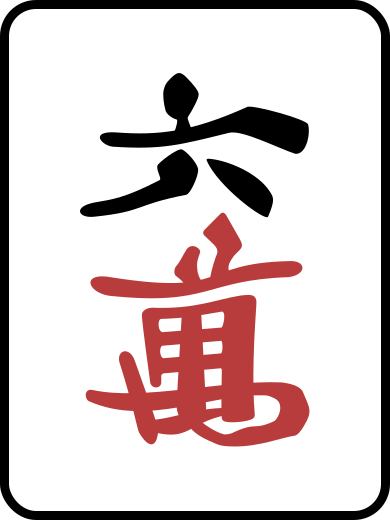
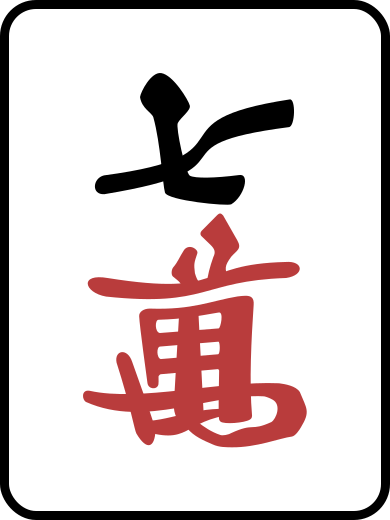
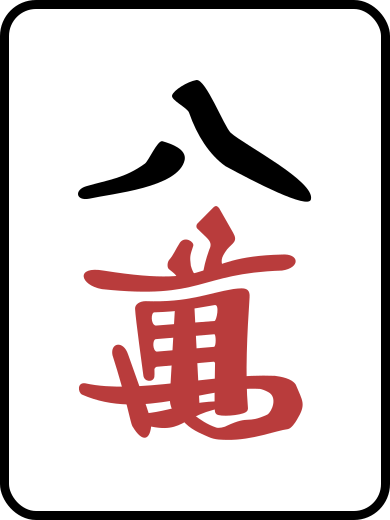
It wins on everything from 1 to 8. Like nine gates, it has triplets at the ends and a run between them. When you see that outline, slow down and run the 1-to-9 check.
Four mistakes that cost the hand
- Missing the wait a sequence stretches. You find the 5 in 3455 and stop. The 345 ends on the 5, so the 2 wins too.
- Assuming the triplet is a set. In 2333 the 3s can be the pair as easily as a set. Read every triplet both ways.
- Counting a tile you hold four of. 5555678 looks like it waits on the 5 and the 8. You hold every 5, so it waits on the 8 alone.
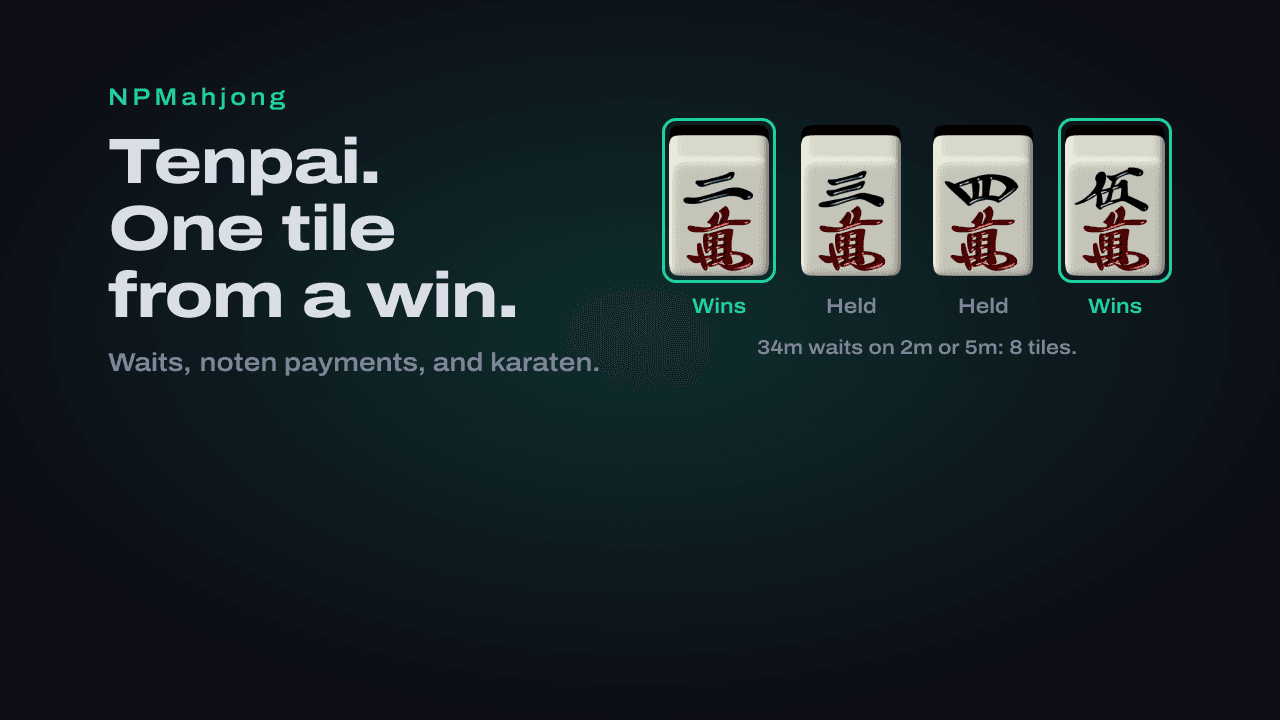
- on . 2222345555 has the shape of a 2 and 5 nobetan, but you hold all eight of those tiles. It can't win, and after riichi you can't change it. That's karaten (空聴).
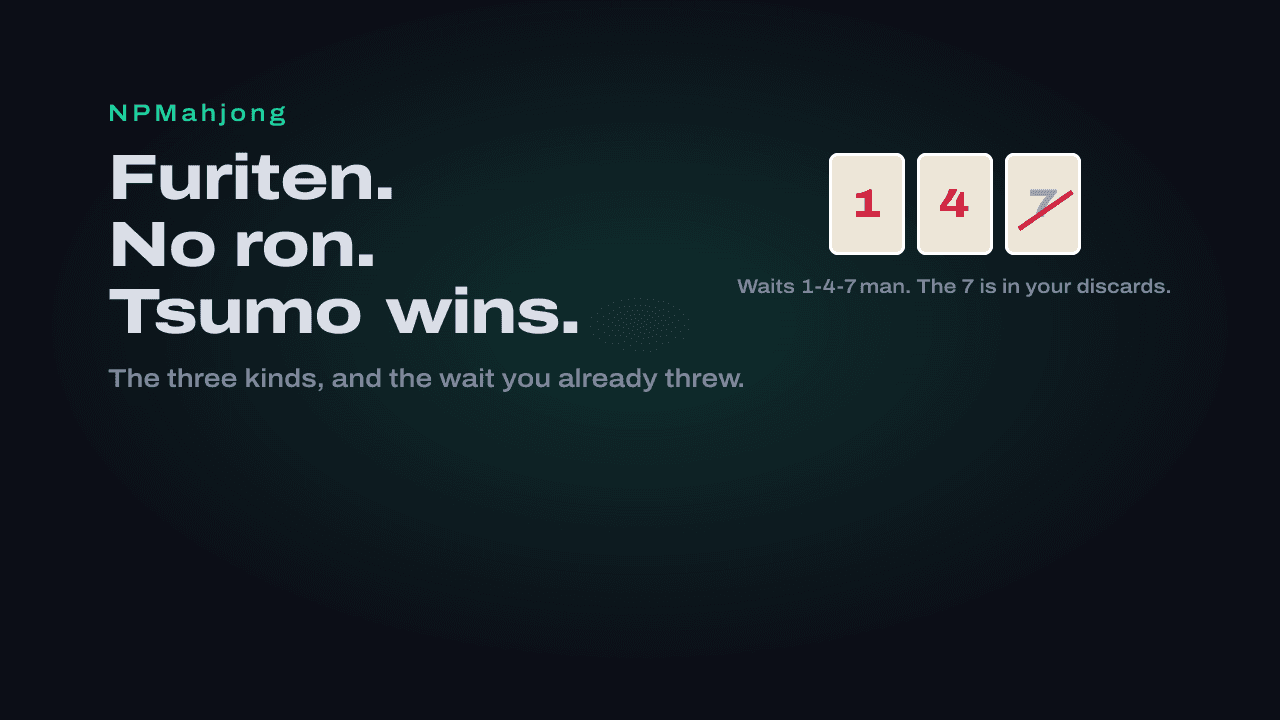
Throw away a winning tile and you're furiten: you can't ron on any of your waits while it sits in your discards. Call ron on a tile that doesn't win and it's a chombo.
Practice: seven tiles, then ten, then thirteen
Start the drill on seven tiles, where the shapes above show up on their own. Move to ten and thirteen when you're getting nine in ten right. A hand counts only when you mark every winning tile and nothing else.
Drill
Name every winning tile
0 of 0 right
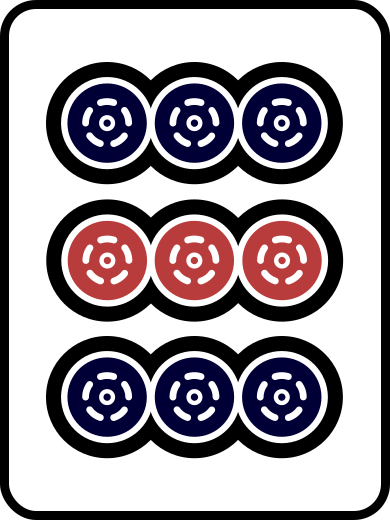
Mark every number that wins, then check.
More places to drill, all free to start:
- The chinitsu wait drill on 点数計算ラボ (a scoring lab) deals 7, 10, or 13 tiles of one suit. The buttons are Japanese; the problems are tiles.
- 門清狂 何待ち ("what's the wait?") gives you 20 seconds a hand for 50 hands and ends the game on your first miss. The 多面張理論 author sets 50 right at level 3 as a passing score.
- 清一色1000 (Chinitsu 1000) is an iPhone app with more than 1,000 problems, free to download, with in-app purchases. It splits each hand into its sets, so you see why it waits where it does.
- The wait quiz on this site switches between one-suit and mixed hands at three levels.
Ten minutes a day on seven-tile hands is enough to start. When the 1-to-9 check agrees with your first look, move up a size.
Was this article helpful?