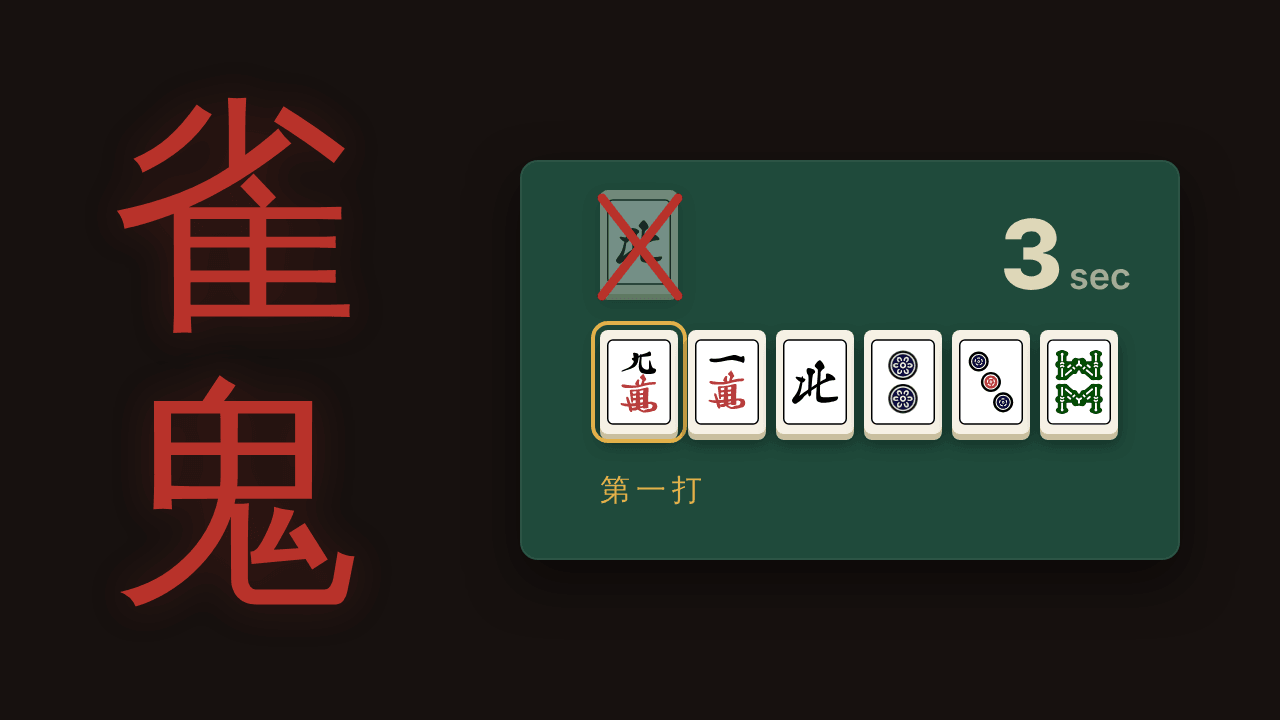
"In my 20 years as an active player, I never lost once." Sakurai Shoichi (桜井章一) wrote that line himself, in a 2023 excerpt from his book of sayings published by President Online. By his own account he was a (代打ち), and the same article defines the job: someone who plays mahjong for a living on behalf of politicians and business people. Japan knows him by a nickname, the Mahjong Demon, janki (雀鬼).
Nobody has a scoresheet for those 20 years. Anyone can read the rules of the school he founded: no honor tile as your first discard, no before , three seconds a tile. Those turn out to be the more useful half of the story.
The legend, and the parts on record
The school's official profile tells it in three sentences. Sakurai was born in Shimokitazawa, Tokyo, started playing mahjong at university, and made his debut as an ura pro, an "underground pro" (裏プロ). From then until he quit, he went 20 years unbeaten and earned the name janki.
The Japanese Wikipedia article fills in the dates. Born in 1943. Out of the underground game in 1983, a date the article takes from Shukan Asahi. From 1984 the magazine Kindai Mahjong (近代麻雀) ran a serial about him, Densetsu no Janki ("The Legendary Mahjong Demon", 伝説の雀鬼), and that serial is what spread "the man unbeaten for 20 years" as a tagline. A manga and a straight-to-video film series followed. Wikipedia counts more than twenty of the films, with Sakurai as the hero under his real name.
None of the serial, the manga, or the films comes with a record of the games. By his account those were private matches for clients, and no scoresheets from them have been published. Wikipedia adds that he took almost no fee for them. "Unbeaten" over 20 years of mahjong would also be an odd statistic: even a top player takes 1st in only about 30% of games and still finishes last some of the time. The same President excerpt draws a line between not losing and winning, and it never says what counted as a loss.
The dojo and the school are on firmer ground. The dojo page gives the opening as 28 March 1988, in Shimokitazawa and Machida at the same time, under the name Pai no Oto ("the sound of tiles", 牌の音). The school, Jankikai (雀鬼会), held its first league on 10 September 1991. Sakurai played in that first season, won it, and never entered again, according to the profile page. The dojo closed on 30 April 2024, and a one-line notice on the site says so.
The rules of Jankiryu
The school's style of play is called Jankiryu (雀鬼流). The official site doesn't publish a rulebook, so the table below collects the rules that at least two outside accounts agree on: the Japanese Wikipedia article on Jankiryu, a 2023 note by a player who visited the dojo about 31 years earlier, and an explainer on the Japanese site Majandofu.
| Rule | What it means at the table |
|---|---|
| No honor tile as your first discard | Your first discard of every hand is a number tile. Wikipedia gives one exception: a double riichi |
| No dora discard before tenpai | You keep every dora until your hand is ready. Wikipedia exempts the red 5p and an honor dora with two copies gone |
| Discard in about three seconds | Long thinks are out, every turn |
| No open kans | Only a closed , and only when you can declare riichi on the spot. Wikipedia: a closed kan at tenpai, with riichi if the hand has |
| No riichi on an instant trap | If the tile you riichi with makes your wait look safe by , wait one turn |
| No riichi on a dead-end wait | No riichi on a wait with one tile left, like an honor with two copies gone |
| No riichi one tile from | You can't lock a hand that one draw would turn into suuankou. Wikipedia lists it for suuankou, and the 2023 visitor recalls it for any |
The scoring is unusual too. Players start at 30,000, and two red 5p tiles count as dora. Both Wikipedia and Majandofu say the is a bonus Sakurai awards for a good game, never a minus. A player who breaks a rule can lose the right to win, call, or declare tenpai for the hand. In official games every player with a penalty ranks below every player without one, however many points they hold.
That last rule shows what the league measures. Keeping the rules comes before points, because the league is a dojo and the rules are the training. Japanese arts call this first stage of training shu: keep the form until your body has it.
Each rule removes one option
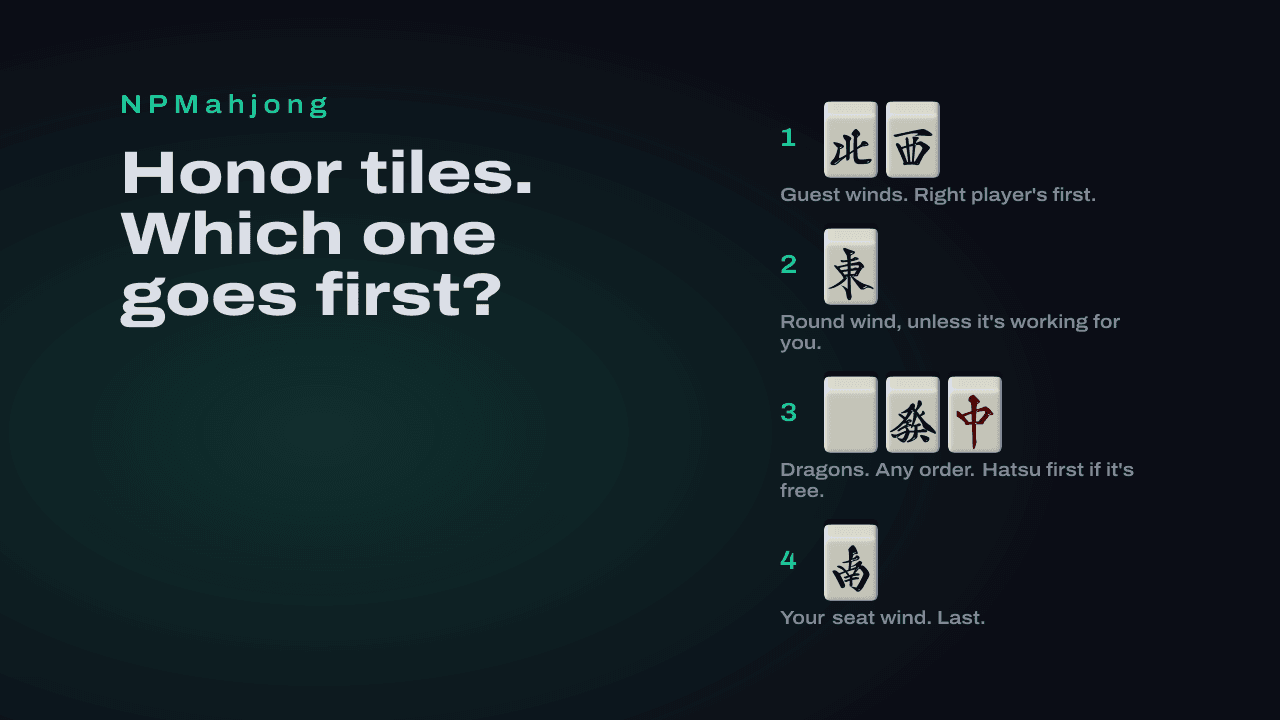
Read as efficiency advice, the first rule is wrong. The honor tile discard order post makes the case: a lone guest wind is usually the weakest tile in a , and it should go first. A training constraint works differently. It takes away an option so you have to build the skill that option was covering for.
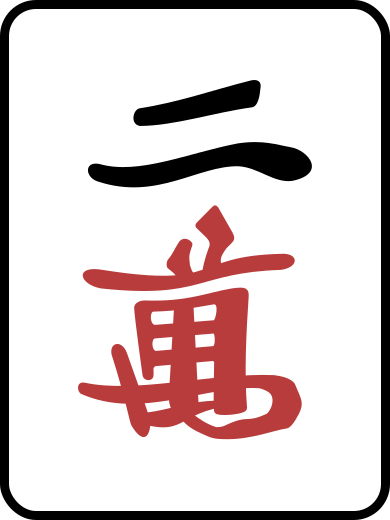
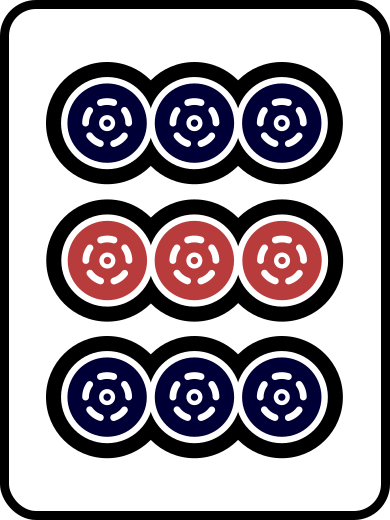
Take this first draw as West in the East round.
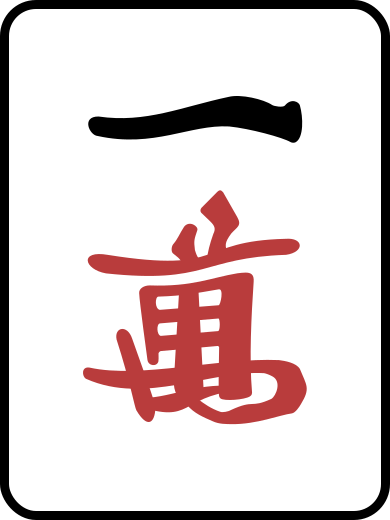
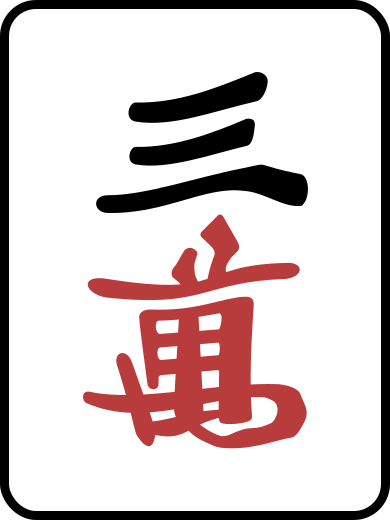
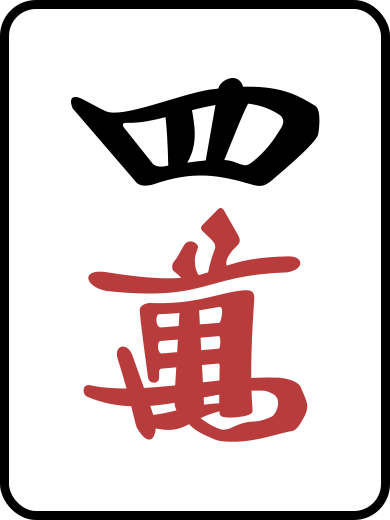
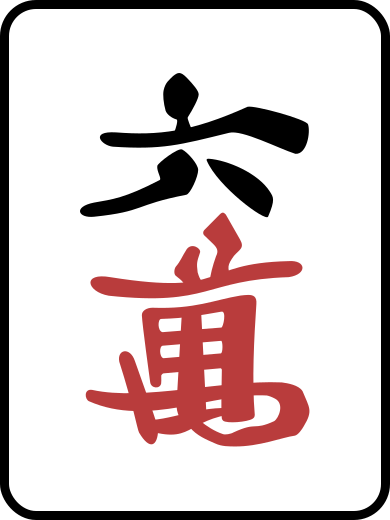
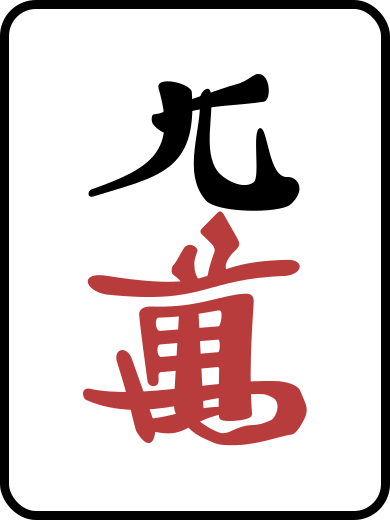

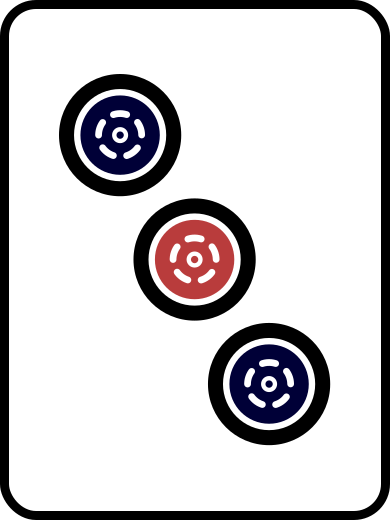
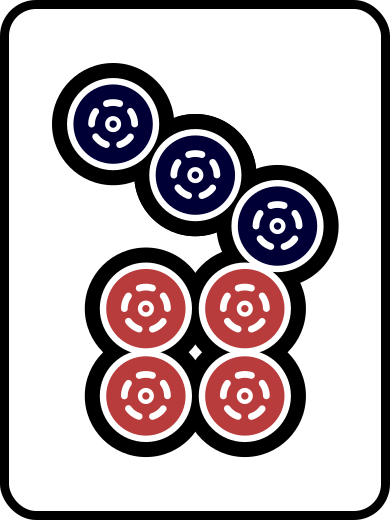
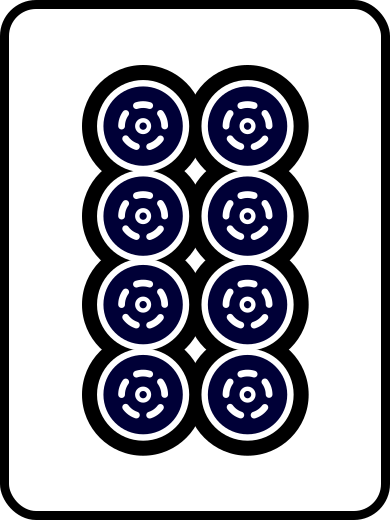
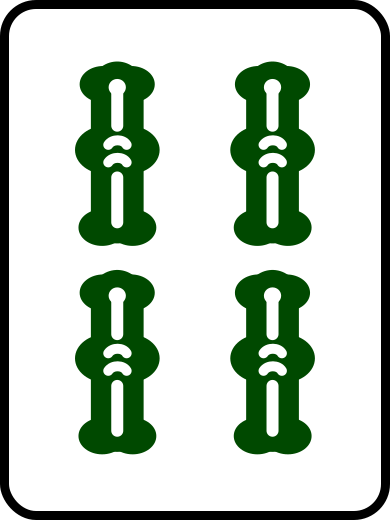
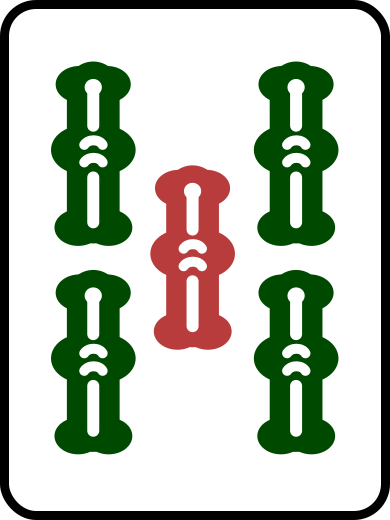
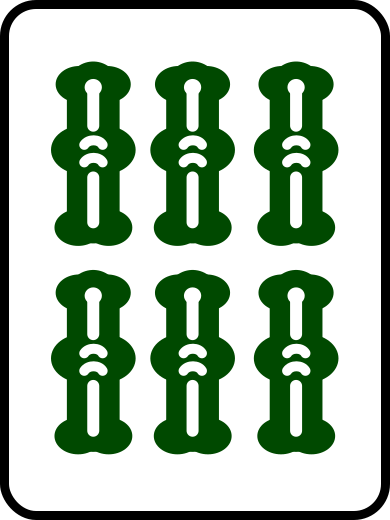
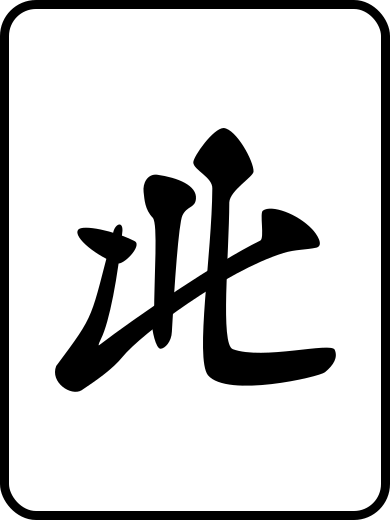
Most players throw the North without looking. Put the hand in the hand analyzer and North and 9m come out tied: either discard leaves the hand three-shanten, with 57 tiles that improve it. The Jankiryu rule takes the North away, and the best number tile left is the 9m. In this hand the rule costs nothing. In most hands it costs a few tiles of acceptance, and that's the price of the training.
The rule does change the order of your thinking. With the automatic cut gone, turn one starts with the number tiles: which end is weakest, and is this a hand? You read the hand before you make the first discard.
The other rules work the same way.
- Three seconds a tile ends the long think. You play the shapes you know without counting.
- No dora before tenpai takes away the cheap fold of a dangerous tile. You build around the dora or carry it to tenpai, so you decide early what the hand is.
- The bans on open kans, trap riichi, and dead-end riichi all take away wins by surprise. Wikipedia's account says the school values winning by tsumo, with a as an extra, so you learn to wait on tiles you can draw.
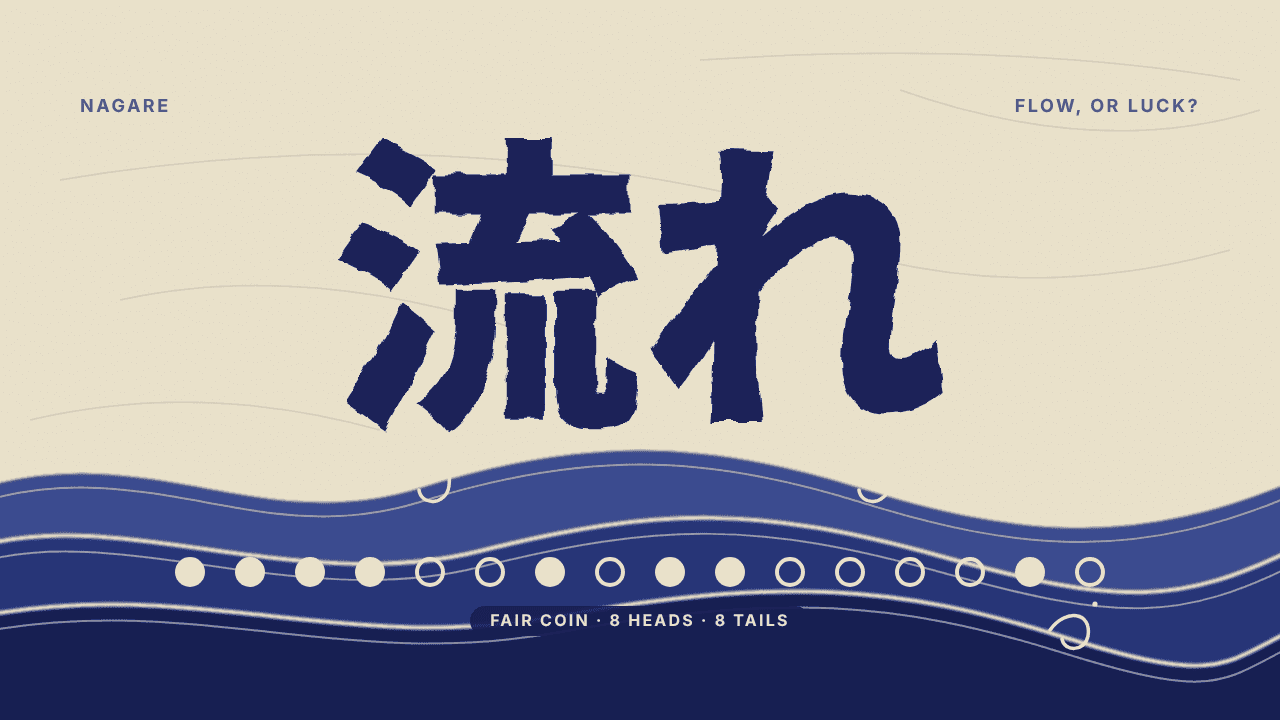
The school's own explanations lean on flow and on the "state" of the player. Wikipedia's article explains the honor-tile rule partly by calling honors the source of , the flow (流れ). Leave the luck part behind: nagare as luck flowing between hands doesn't survive the numbers, and the constraint works without it.
Borrow one rule for a week
You don't need a dojo. Pick one Jankiryu rule and keep it in your online games this week. The three-second rule is the cleanest: count it in your head, and the shapes that make you go over are the ones you don't know yet.
The first-discard rule makes a good second week. Each time it takes the honor away, pick the weakest number tile and know why before you cut it. The WWYD problems ask the same question one hand at a time: what goes first, and why.

Was this article helpful?