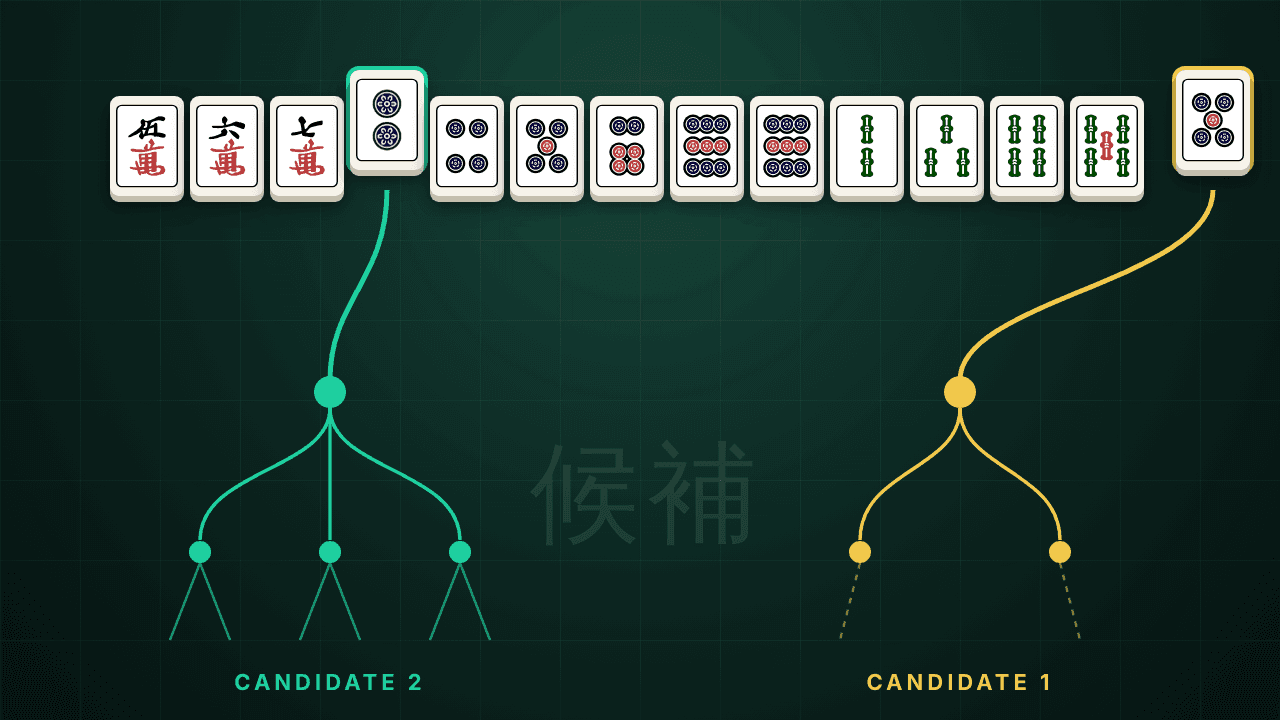
You draw a 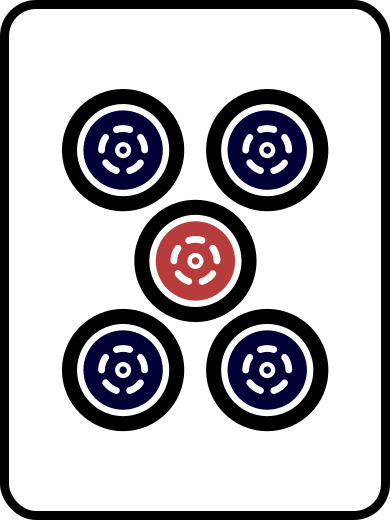 on turn 6, your eye lands on it, and it's gone before you've looked at the other thirteen tiles. The hand was 1-, one tile from , and the tile looked like it belonged. You never asked whether a second tile was better.
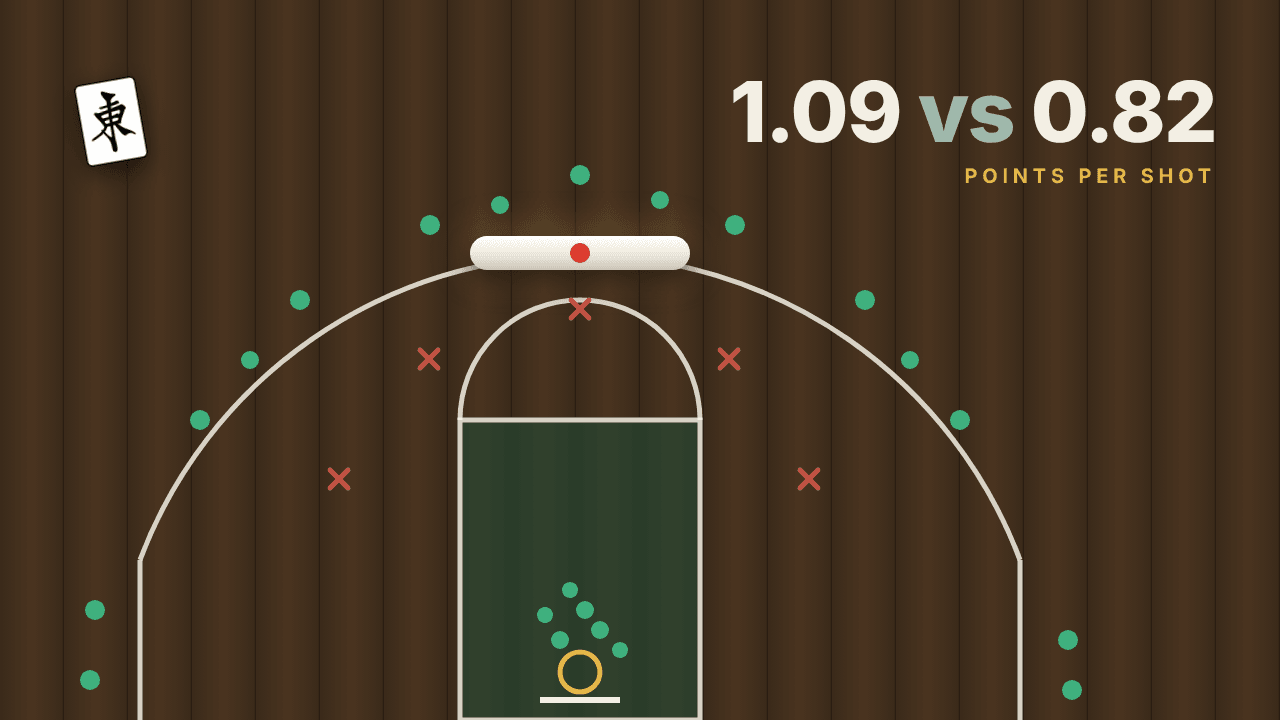
Most discard mistakes look like that: you looked at one tile and cut it. Chess players had the same problem, and a Soviet grandmaster wrote down the fix. Alexander Kotov told his readers to list their candidate moves before they calculate anything. Pick the few moves worth a look, then check each one. This post turns that habit into a three-step routine for the moment before you discard, with one hand worked through the engine behind this site's tools.
Kotov told players to list their options first
Alexander Kotov was a Soviet champion and twice a Candidate for the world title. In 1971 Batsford published his book Think Like a Grandmaster in English, translated by Bernard Cafferty. His best-known advice: list the candidate moves, then examine each one in turn. He called the result an analysis tree. Wikipedia's article on candidate moves defines them as moves which "upon initial observation of the position, seem to warrant further analysis," and credits Kotov with putting the idea forward.
Kotov also gave his name to a failure. Chess.com describes Kotov syndrome as making a hasty move after you've tried and failed to analyze the others: you burn your clock on two lines, find nothing you like, and play a third move you never checked. Not every part of the book aged well. Kotov advised examining each branch only once, and later authors such as John Nunn criticized that rule, because what you learn in one line changes how you see the others. The list itself survived.
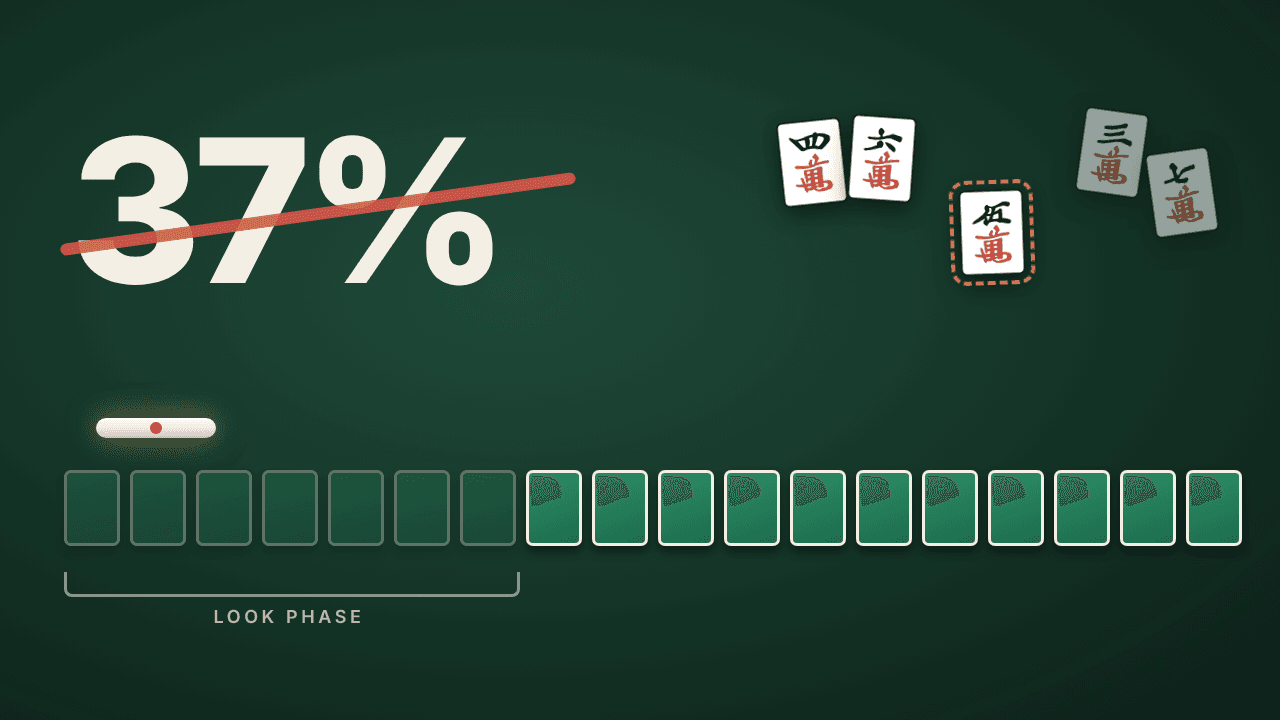
In mahjong the list is shorter. A chess position can hold dozens of legal moves. Your hand holds fourteen tiles, and on most turns only two or three of them are worth a second of thought. Most players never make the list at all.
Two more borrowed tools: a checklist and a duck
In 2009 Atul Gawande published The Checklist Manifesto, a book about using checklists in medicine and business. The best-known evidence came from a study Gawande co-authored. In the World Health Organization's Safe Surgery Saves Lives program, eight hospitals in eight cities introduced a 19-item surgical safety checklist. The study in the New England Journal of Medicine followed 3,733 patients before it and 3,955 after. The death rate went from 1.5% to 0.8%. Inpatient complications went from 11.0% to 7.0%. Every item on the checklist was something surgeons already knew. It's there for the day one of them skips a step.
The second tool comes from programming. Rubber duck debugging takes its name from a story in Andy Hunt and Dave Thomas's The Pragmatic Programmer (1999): a programmer explains the code, line by line, to a rubber duck that never answers. Putting the intent into words exposes the gap between what the code should do and what it does.
Put the three together and you get a protocol that fits between drawing a tile and cutting one.
The three-step pre-discard protocol
- Name two candidates. The tile your eye went to first, and the best alternative. Not five. Two is enough to break the habit of one.
- Run the checklist on both. Three lines, always in the same order.
- Count. after the cut, and how many tiles it accepts.
- Shape. Which tenpai those tiles make. Two-sided, or a , , , or .
- Table. Dora, red fives, a yaku you'd lose, an opponent's riichi or third call, the score.
- Say the reason. One sentence, in your head or under your breath: the tile, then the reason. If you can't finish the sentence, go back to step 2.
Use it on the turns where two tiles both look fine. An isolated on turn 2 doesn't need a meeting. The 1-shanten hand on turn 6 does. And watch for Kotov syndrome: the protocol picks between the two candidates you named. It doesn't license a third tile you never counted because the clock ran low.
One hand, two candidates
Back to the hand from the opening. , East 2, turn 6. Nobody has called, nobody has declared , and no dora sits near this hand. You draw the .
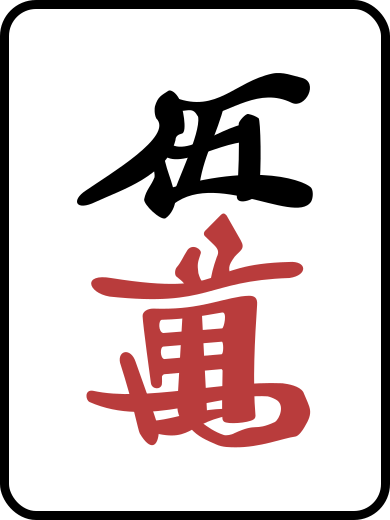
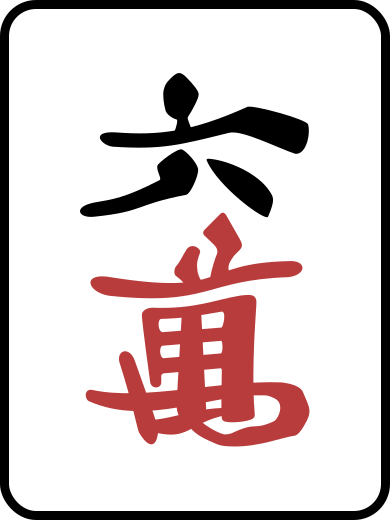
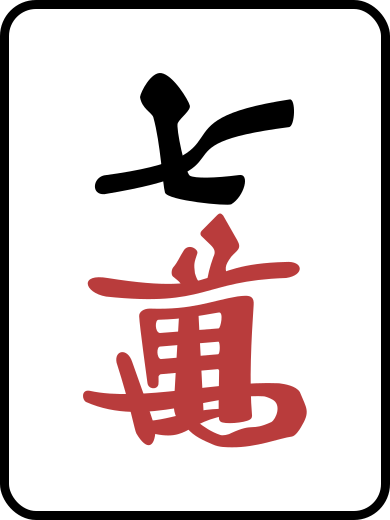
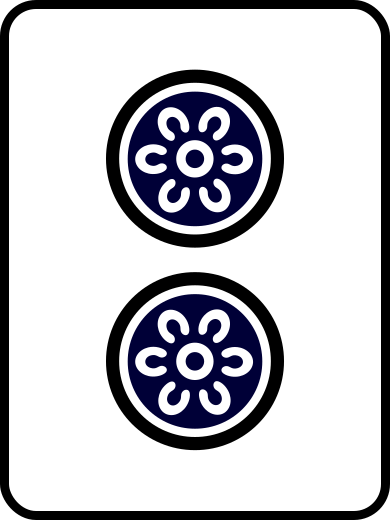
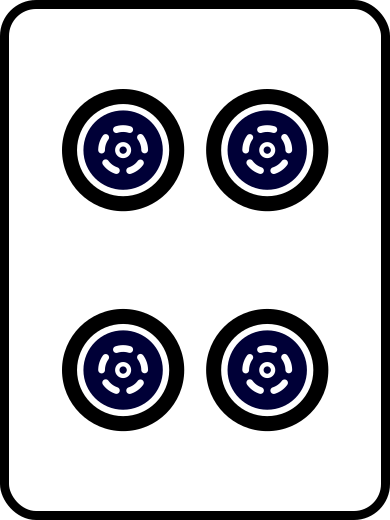
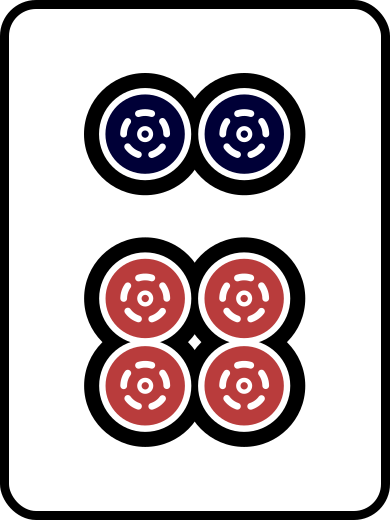
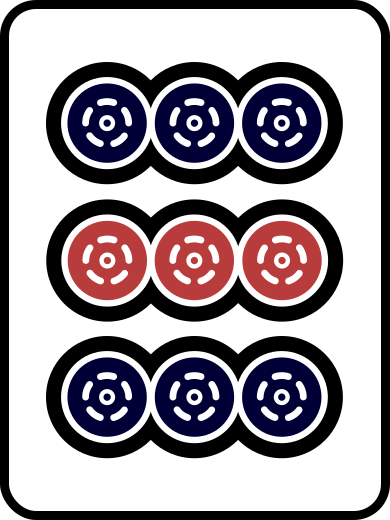
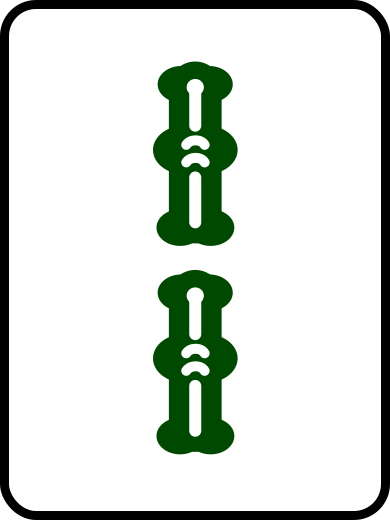
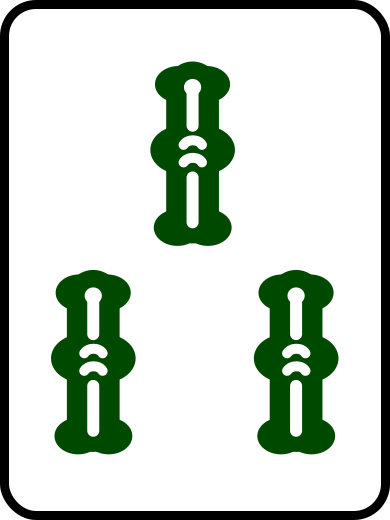
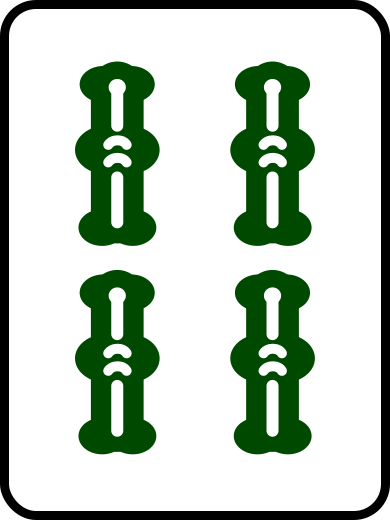
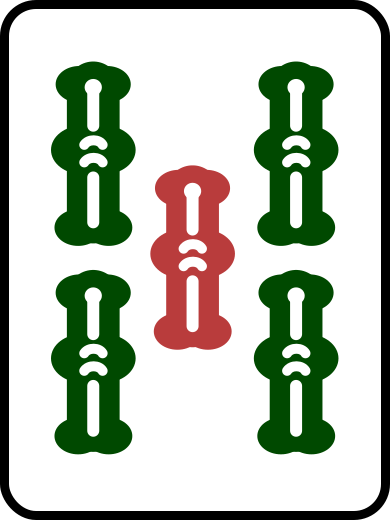
Step 1. The eye says : it's the tile you just drew, and you already hold one. The second candidate is , the loose end of the .
Step 2, line one: count. Both cuts leave the hand at 1-shanten. The engine behind this site's efficiency trainer scores both, counting four copies of each tile minus the ones in your hand.
| Cut | Tiles accepted | Draws to a good-shape tenpai | Draws to a narrow tenpai |
|---|---|---|---|
| 44 | 20 | 24 |
| 42 | 30 | 12 |
On count alone, the wins by two tiles. The efficiency trainer would mark the wrong, and it would be doing its job: it grades , the tile count, and nothing else.
Step 2, line two: shape. Here the candidates split. Cut the 5p and you keep the , and too many draws finish on it. A 1p, 4p, or 7p, eleven tiles, leaves you waiting on a single 3p. A 2p, 2s, or 5s leaves a two-pair wait with the 9p, and a 7s leaves a single 6s. Twenty-four draws end in a narrow tenpai. Cut the 2p and the (circles) becomes a , which turns a 3p, 4p, 6p, or 7p into a good-shape wait. Only twelve draws end narrow. The (bamboo) draws come out the same after either cut, so the whole gap is in the .
Those ten draws are worth more than the two tiles. The riichi wait win rates post counts a gap of a tile or two between waits as a tie, and these cuts are two tiles apart. In Tenhou Houou logs 2016 to 2020, a two-sided riichi declared on turn 8 wins 52 to 57% of the time. A single-tile wait on a 3, like the 3p here, wins 38%, and one on a 4, 5, or 6, like the 6s, 33 to 36%. The analysis counts turns from zero, so turn 8 is your ninth discard, and it tracks the first riichi of each hand.
Step 2, line three: table. Nothing here. No riichi, no calls, no dora to keep, that one cut breaks and the other keeps. When line three is empty, lines one and two decide.
Step 3. "2p: two tiles narrower, ten more draws to a good-shape wait." The sentence comes out whole, so you cut the 2p.
Change one fact and the protocol can flip. Make the 2p a dora, or put a riichi across the table with the 5p as and the 2p fresh, and line three now points at the 5p.
Why one candidate isn't enough
The first tile you notice is usually a fine tile, which is why you stop looking: in the hand above, the 5p accepts the most tiles of any cut that keeps you at 1-shanten. A player who only ever looks at the first tile cuts it and never learns that something better sat two tiles to the left. Without a second candidate there's nothing to compare it with, and a good cut feels the same as the best one.
Chess hides nothing, though. Mahjong hides the wall, so the protocol only improves your odds. The 5p cut can draw the 3p next turn and land a , and the 2p cut can stall for six turns. Judge the cut by the 30 good draws against 20. What came off the wall next doesn't change that.
Train it where the answer is waiting
Run the protocol on problems before you run it in games. The daily discard problem gives you one hand a day. Before you tap a tile, name two candidates, run the three lines, and say your sentence. Then check the table under the hand: it lists every discard with the tiles it accepts and, for a 1-shanten hand, how many of them reach good shape, so you can see whether your second candidate was the one that mattered.

Once the steps run in a few seconds, take them to a ranked game and run them on your close cuts. Your own one-candidate turns are the hardest ones to see. A game review finds them in your log.
Was this article helpful?