A goes up across the table on turn 7. You stop building, count your , and start reading that pond. Three discards later the player on your left, the one with a and a you stopped watching after turn 4, says . , , red five: 3,900. You dealt into the hand that never put a stick down, with a tile that was dead safe against the one that did.
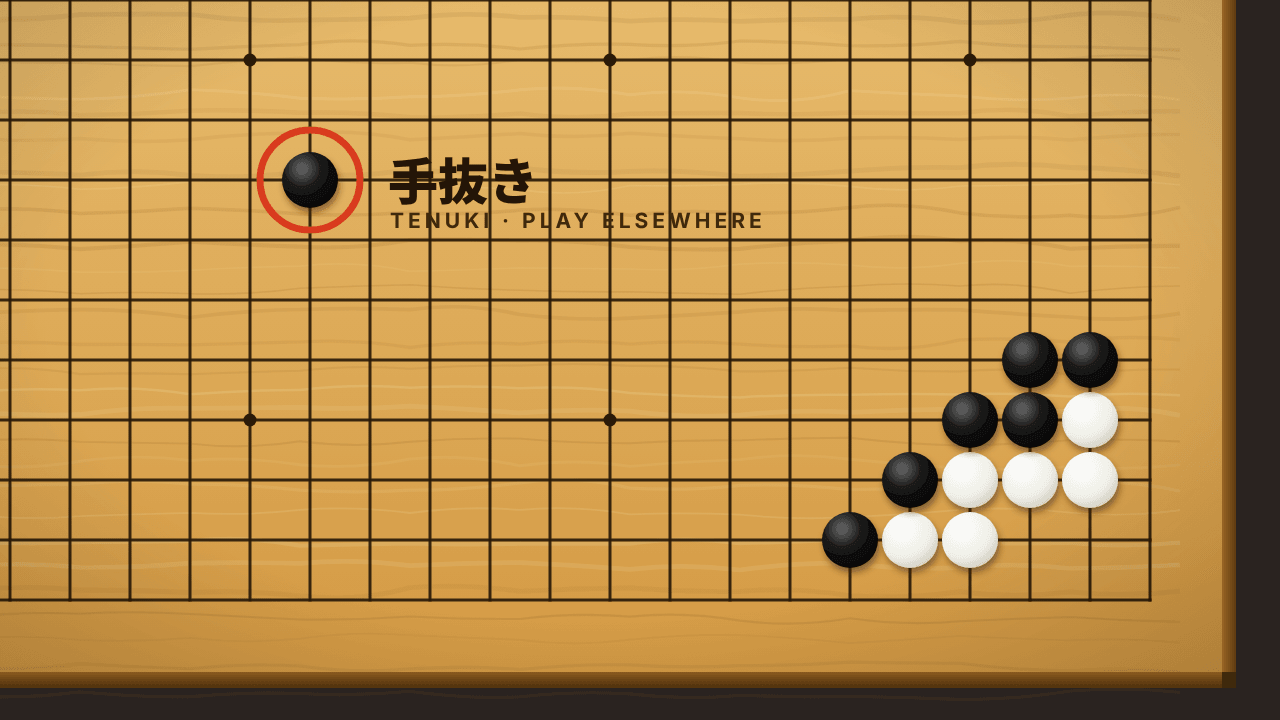
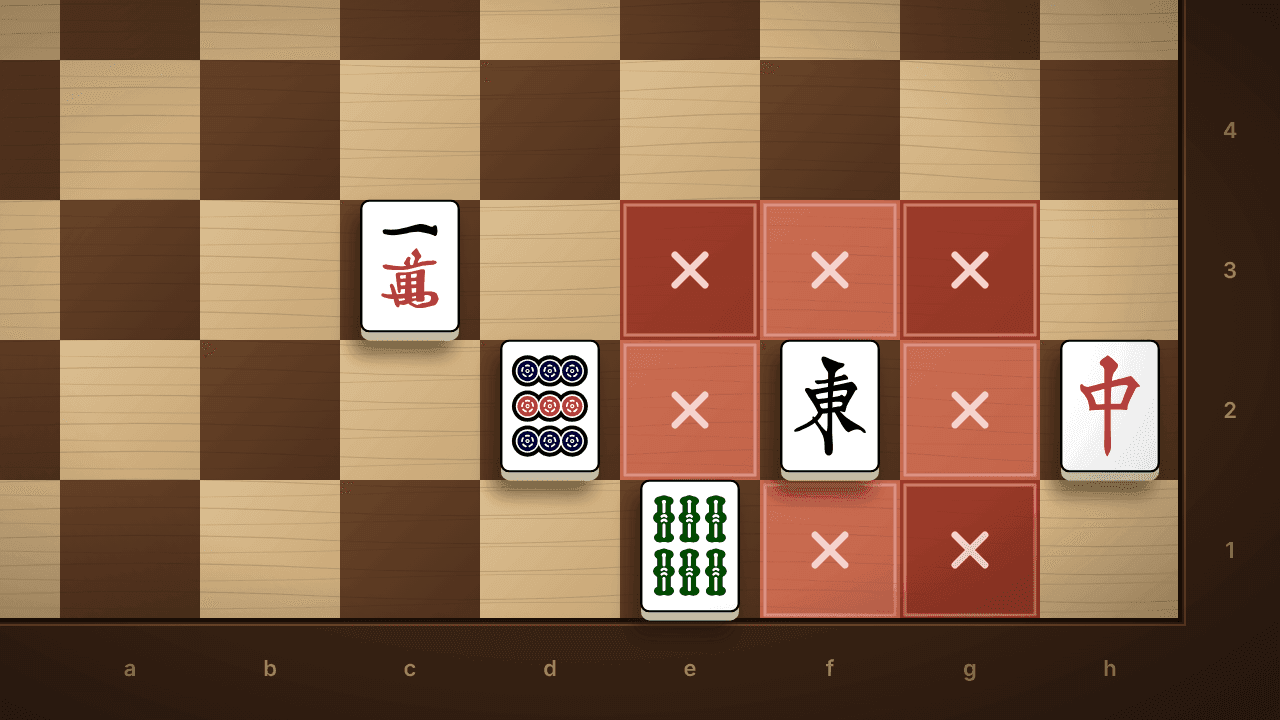
Fighter pilots have a name for this. Target fixation is locking onto one object so hard that you steer into it. Psychology has a cousin, inattentional blindness: you fail to see something in plain view because your attention is spent elsewhere. Between them they describe one of the most common deal-ins in any game review, the ron from the player nobody was watching.
Where the idea comes from
The term is military. Wikipedia's entry says it "was originally used in World War II fighter-bomber pilot training to describe pilots flying into targets during a strafing or bombing run." The mechanism is plain: a person fixates so hard on the target "that they steer in the direction of their gaze." A 2016 Cycle World riding skills column by Andrew Trevitt describes trackday riders who fixate on the rider ahead "to the point of following that rider right off the track when he crashes."
Target fixation is a panic reflex. Unable to look away and even consider an escape route, we tend to go where our eyes take us, often directly into the object.
Inattentional blindness is the laboratory version. Arien Mack and Irvin Rock named it in 1992. In 1999 Daniel Simons and Christopher Chabris published "Gorillas in Our Midst": subjects counted one team's basketball passes while a person in a gorilla suit walked through the scene. In most groups, 50% of the subjects didn't report seeing the gorilla. In one of the 16 tests, detection fell to 8%. Wikipedia lists four causes, and two of them live at a mahjong table: mental workload and expectation. Its section on expectation says experts are more prone to inattentional blindness than beginners. An expert knows what to look for, so that's what they see.
The riichi is the ball. The open hand is the gorilla.
A riichi hands you a task. Find your , work out the , count the . That task is the ball you're counting. While you count, the called hands keep moving, and Tenhou's logs say how close they are.
| Turn | Closed, no riichi | 1 call | 2 calls | 3 calls |
|---|---|---|---|---|
| 6 | 2.0% | 15.8% | 40.9% | 83.4% |
| 8 | 4.5% | 26.8% | 53.3% | 88.5% |
| 12 | 11.8% | 45.8% | 69.0% | 91.9% |
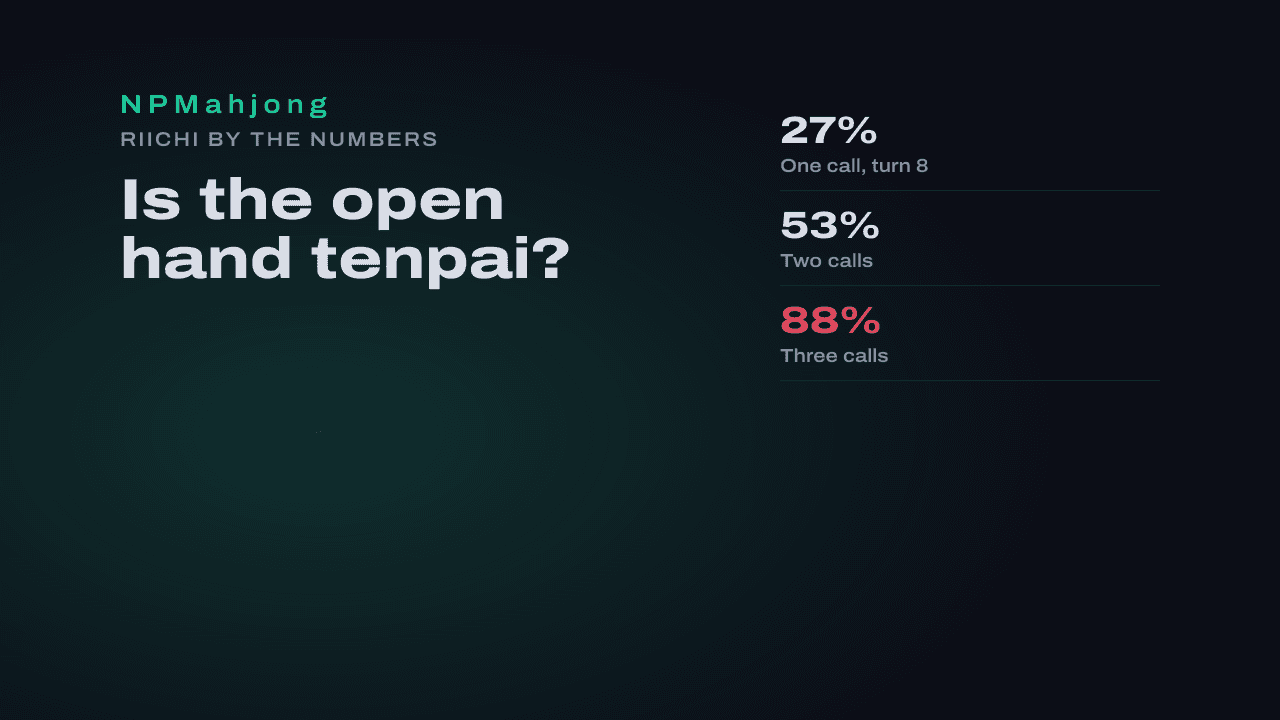
At turn 8 a two-call hand is 53% of the time, and a three-call hand 88%. From turn 6 on, three calls means tenpai more than 80% of the time. The full table, by hand type and first call, is in the open hand tenpai post. The riichi tells you one hand is tenpai for certain. The three-call hand tells you almost the same thing, and it tells you quietly.
The tells sit in that pond too. The same analysis checks what a called hand is doing at turn 8 the moment it discards.
| What the player does at turn 8 | 1 call | 2 calls |
|---|---|---|
| Baseline: any called hand | 26.8% | 53.3% |
| Discards right after calling | 32.3% | 59.4% |
| Throws a dora | 37.7% | 67.1% |
| Throws a red five | 36.3% | 62.2% |
| Third tsumogiri in a row | 38.4% | 61.9% |
A two-call hand that throws a at turn 8 is tenpai 67% of the time. Three in a row from the same hand: 62%. Every one of those signals happened in a pond you weren't reading, because the riichi pond had your eyes.
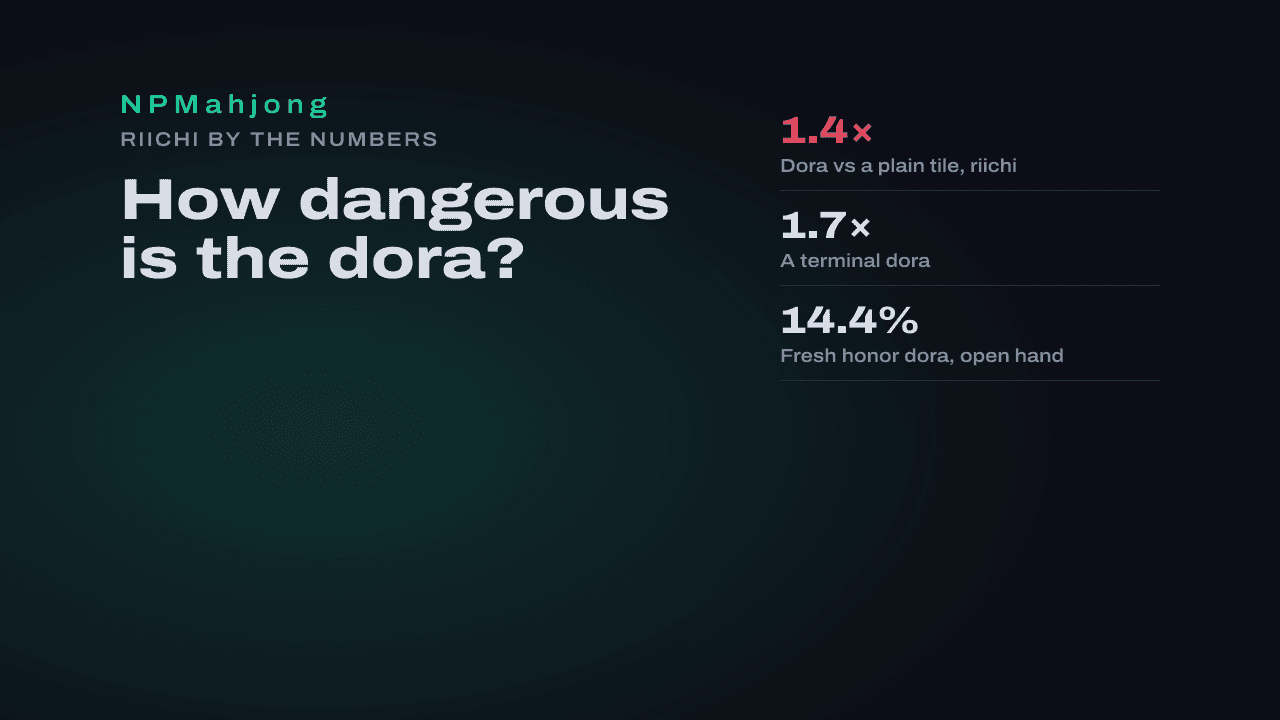
Two corrections. hands look frightening and move slowly: a one-call is tenpai 14% of the time at turn 8, half the rate of a hand. And the open hand's deadliest tile is one the riichi pond will never warn you about. When the dora is a fresh honor, an open hand is waiting on it 14.4% of the time, twice the riichi rate of 6.9%, mostly as a on a pair of them. One copy out in anyone's pond and that falls to 2.5%. More in how dangerous is the dora.
The tile that was safe against the wrong player
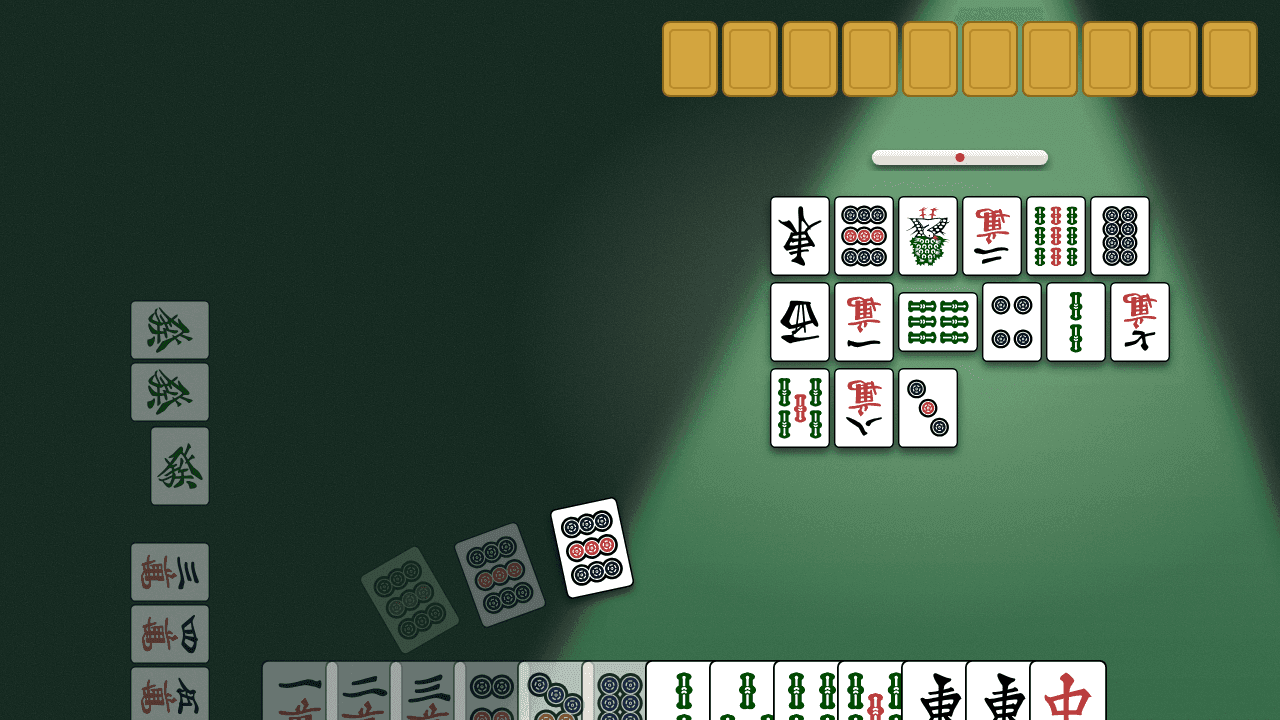
The opening scene, with tiles. East 3, you're South, turn 8. declared riichi on turn 7, and their pond holds an early 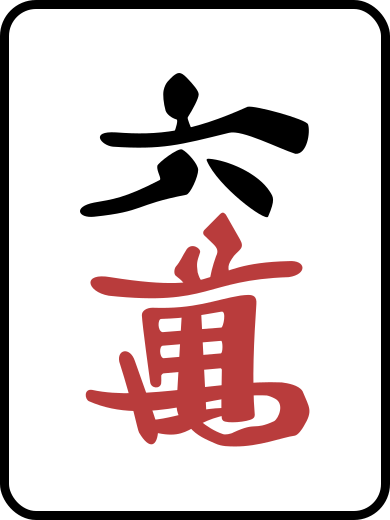 and a
and a 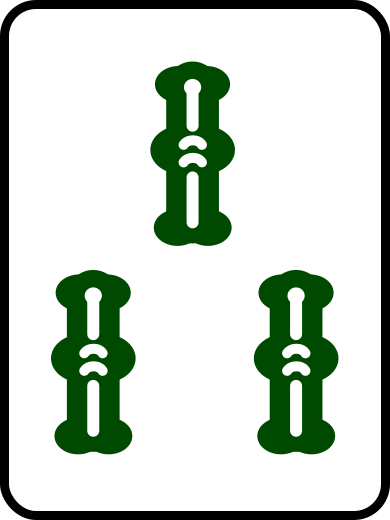 from turn 2. Your ponned Haku on turn 3. On turn 8 they called for on the riichi player's discard, cut a
 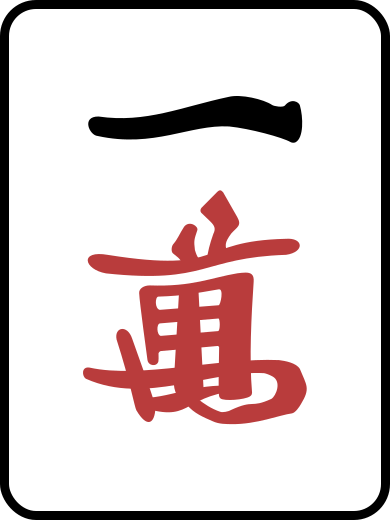 from hand, and passed the turn to you. Their pond:
 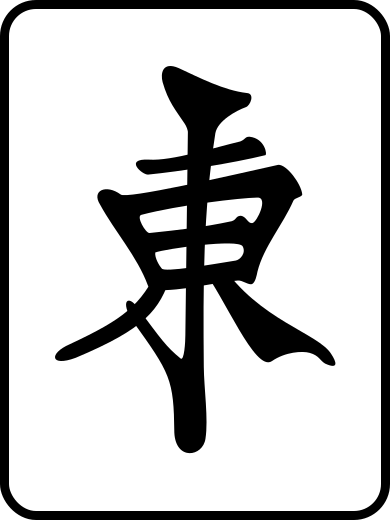 ,
, 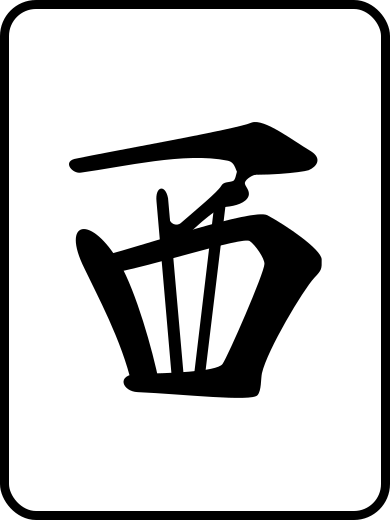 ,
, 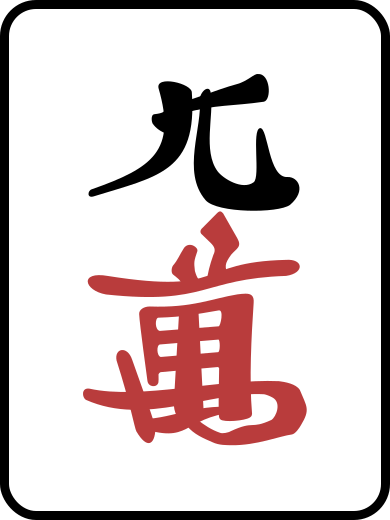 ,
,  ,
, 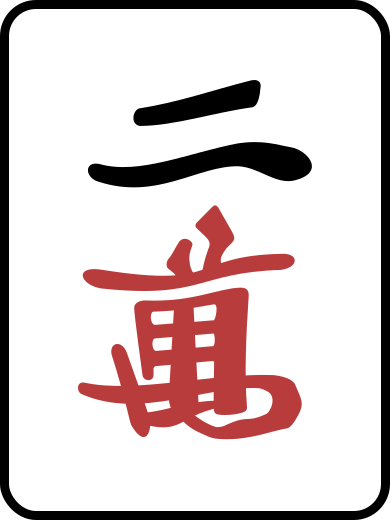 , , and not one . The dora is
 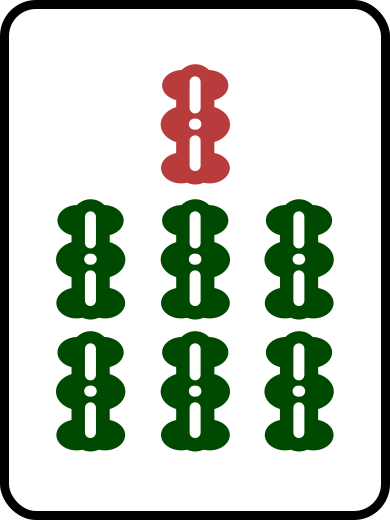 .
.
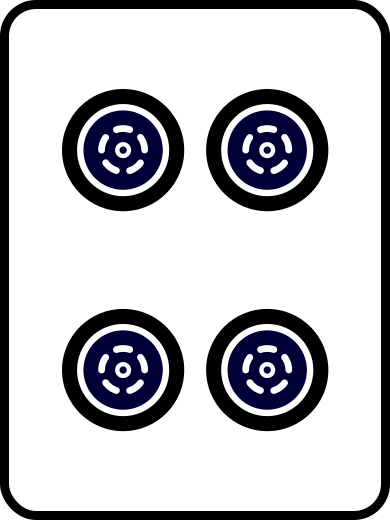
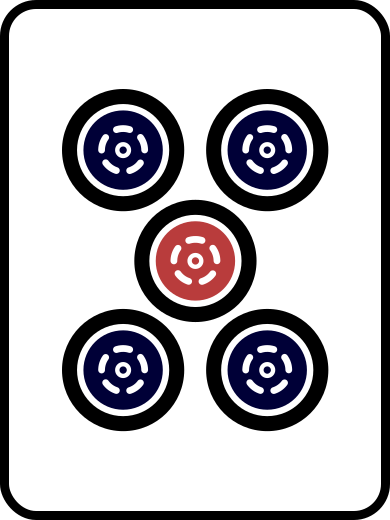
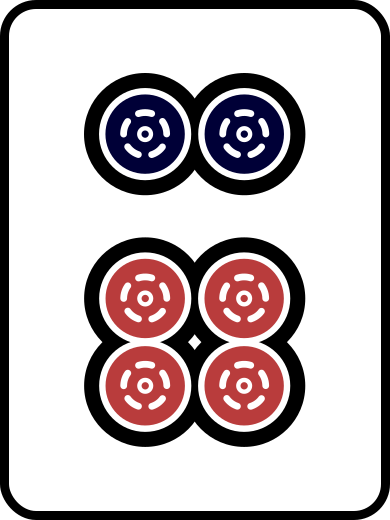
The hand you're folding:
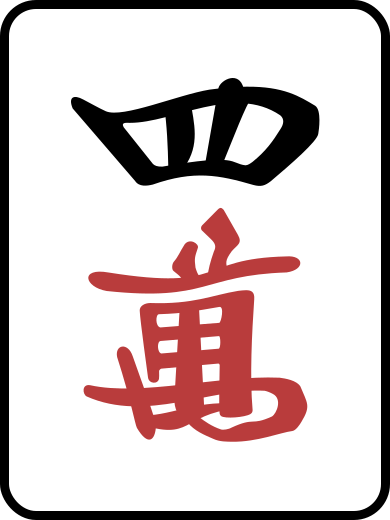
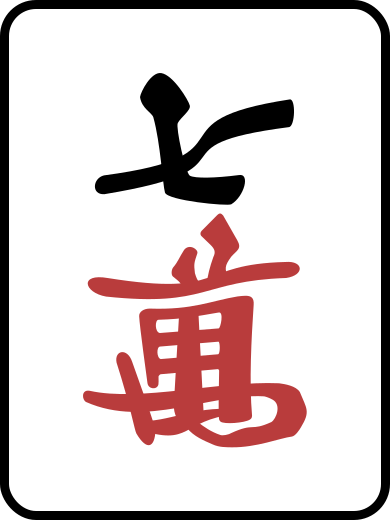
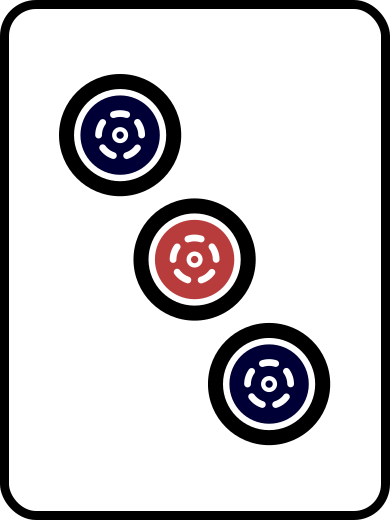
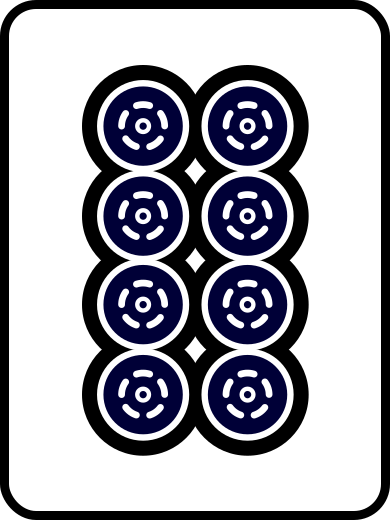
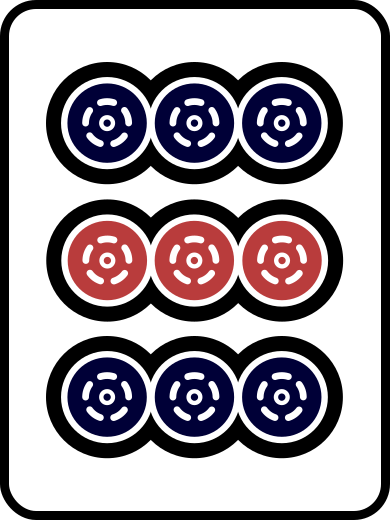
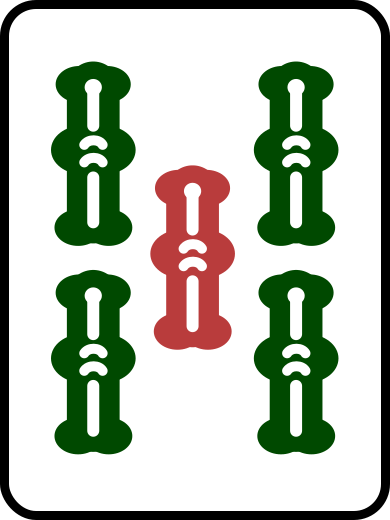
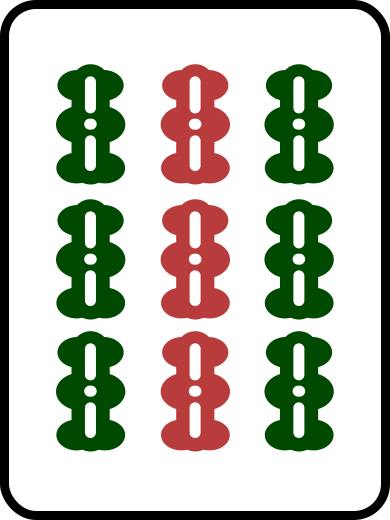
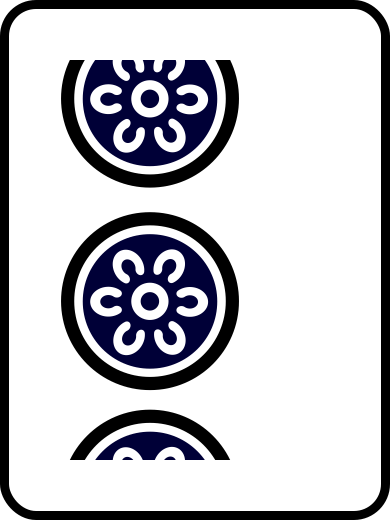
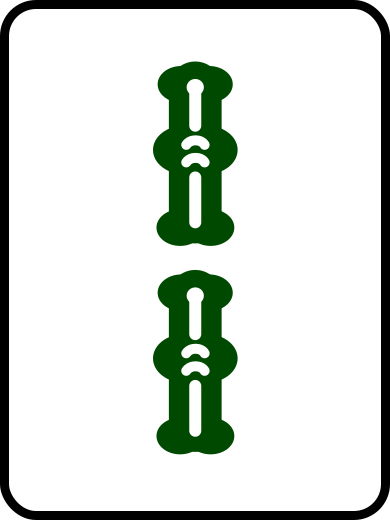
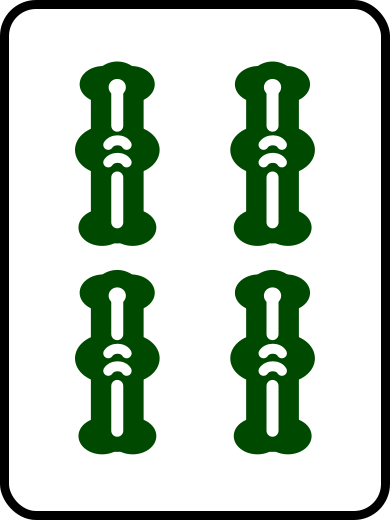
The fixated fold goes like this. is genbutsu against the riichi, so out it goes. Against it's a fresh tile in the one suit they've never cut, into a two-call hand that discarded from hand right after its second call. In the table above that pattern is tenpai 59.4% of the time at turn 8, before you add the dora in souzu and a pond with none. is the other candidate: a terminal against the riichi, genbutsu against kamicha.
I throw the 9m. Not because suji terminals never deal in, they do, but because the 9m is priced against both tenpai hands and the 3s is priced against one. The 3s into kamicha's is the 3,900 from the first paragraph. Nobody at the table was surprised except you.
One safe tile per tenpai player
A safe tile is safe against one player. With a riichi and a two-call hand on the table you need a tile for each, or you need to know you don't have one and price the gamble.
So a fold against a riichi has a second column. Column one: what's safe against the riichi. Column two: what's safe against every hand with two or more calls. A tile in both columns goes first. When nothing sits in both, price it: certain tenpai and the biggest average payout on one side, a coin flip and often a cheap on the other. Run both candidates through the deal-in danger tool, which prices a tile against a riichi and against an open hand. What you don't get to do is call the 3s "safe" and skip the arithmetic.
The scan: one glance per pond, same order every time
Wikipedia's advice to pilots and riders is to "think about what they see and be aware of their environment before making any decisions." Trevitt's version for motorcyclists is to tear your eyes off the hazard and look where you want to go, while still knowing as much as you can about the hazard. At the table that becomes a routine that takes about two seconds.
Before every discard, look at the three ponds in the same order. Mine is kamicha, , , left to right. For each one, three things: how many calls, whether their came from hand () or was the draw thrown back, and which tile in your hand is safe against them. Then discard.
Target fixation is a reflex. A habit that fires every turn beats a resolution to stay aware, because the resolution is the first thing a riichi burns.
Dama is the third target
The riichi declared. The open hand showed its calls. The third target shows nothing. In the same logs a with no riichi is tenpai 4.5% of the time at turn 8, and most of those players are still building. Some are sitting on a .
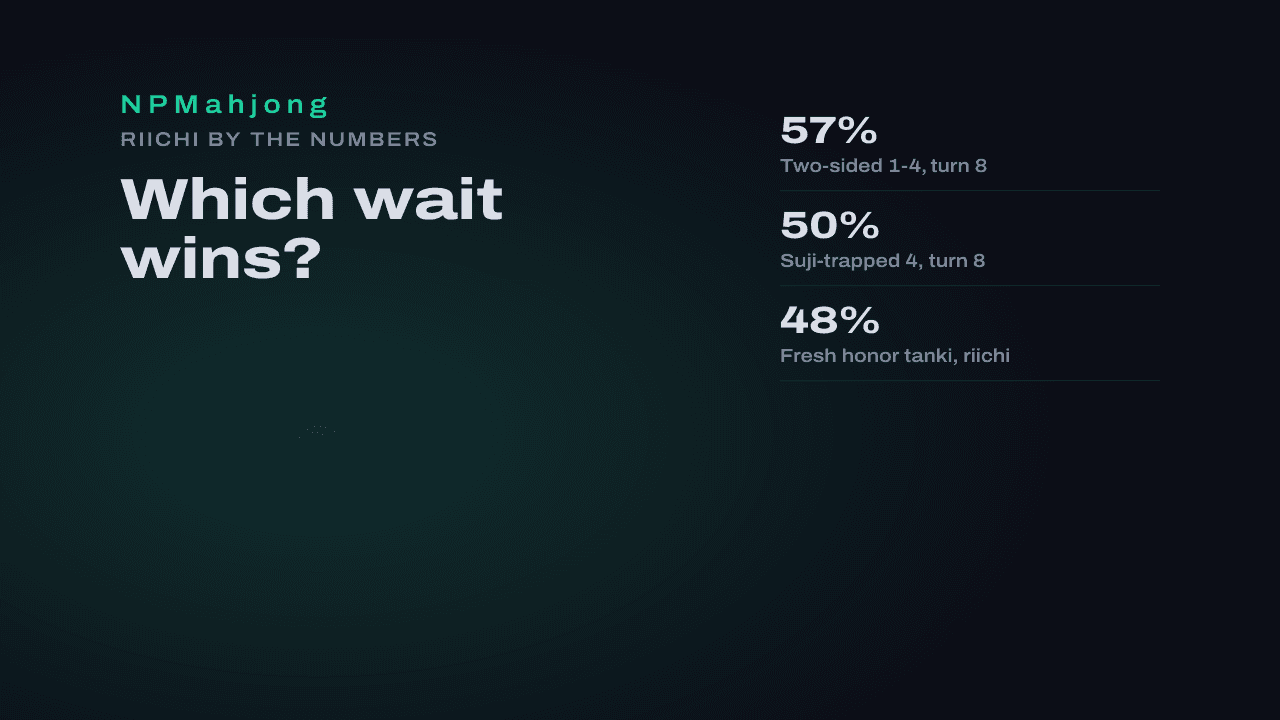
Reading a quiet hand is its own skill, and this post won't teach it. Two things carry over. The scan already puts a glance on that pond every turn, so a closed player who went from to a run of tsumogiri gets noticed. And for how often a quiet hand wins compared with the same wait declared, the riichi vs dama section of riichi wait win rates has the Houou numbers: at turn 8 a two-sided 1-4 wait with dora in hand wins 67% as dama against 57% with riichi.
Where the analogy breaks
The gorilla was a surprise. The two-call hand isn't. You watched both calls happen, so the mahjong version is less blindness than fixation: you saw the hazard and steered into it anyway. That's good news, because a habit fixes fixation. Nothing fixes a gorilla you had no reason to expect.
The rider's fix is to look away from the hazard. Yours isn't. The riichi is certain tenpai and, on average, the most expensive hand on the table, so it should get most of your attention. A one-call hand at turn 8 is tenpai 27% of the time, and a lot of those are cheap. The mistake is giving the riichi all of your attention instead of most of it.
Two labels on the odds. They're Houou-level 4-player , so your table may differ. And the analysis stops counting once anyone declares riichi, so the tenpai rates describe a table before the stick goes down. After it, a called hand still cutting fresh tiles from hand is telling you it hasn't folded. That read is yours.
Five deal-ins to check tonight
Open your logs and find your last five deal-ins into hands that hadn't declared riichi. For each one, count the calls and note the turn, then look up the tenpai odds in the open hand tenpai tool. Write one more thing next to each: the tile you held that was safe against that player. Most of the time there was one. You threw something else because it was safe against the riichi.

Then play one hanchan with the scan and nothing else new. Kamicha, toimen, , every discard. If you want a second pair of eyes on which player you keep steering into, send me the logs for a game review. The riichi stick is the brightest thing on the table. The hand that beats you is usually dimmer.
Was this article helpful?