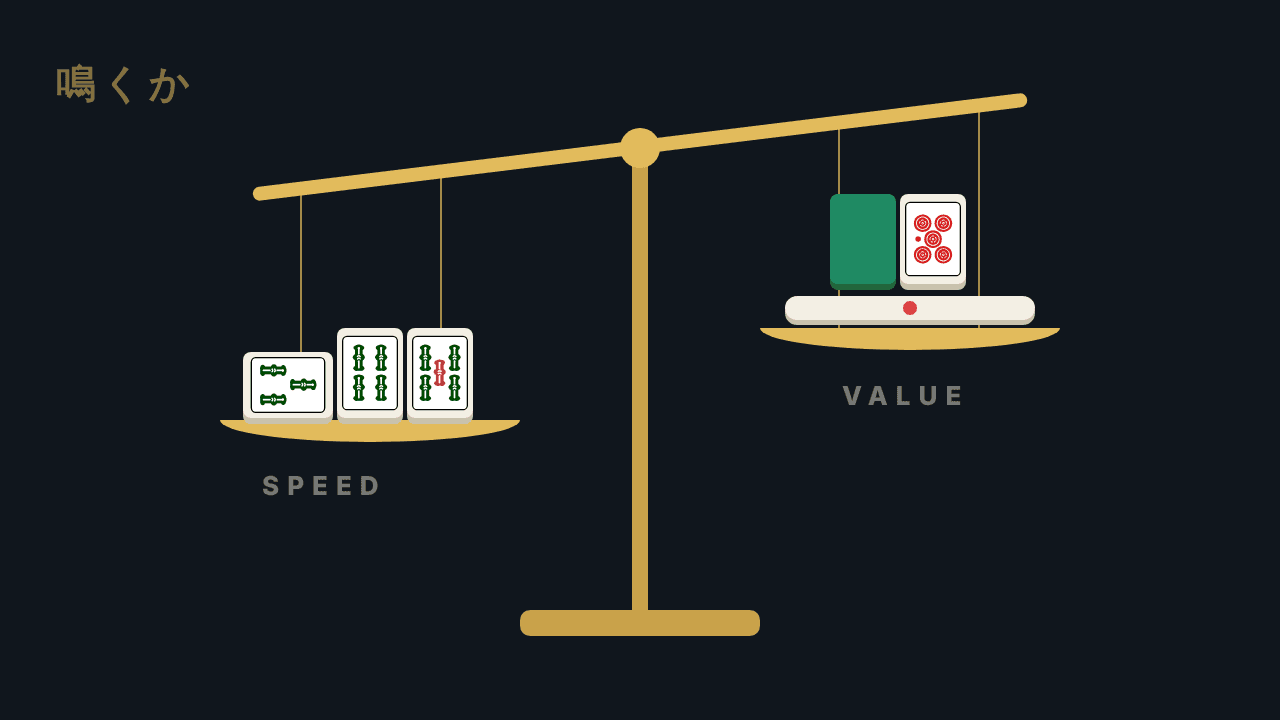
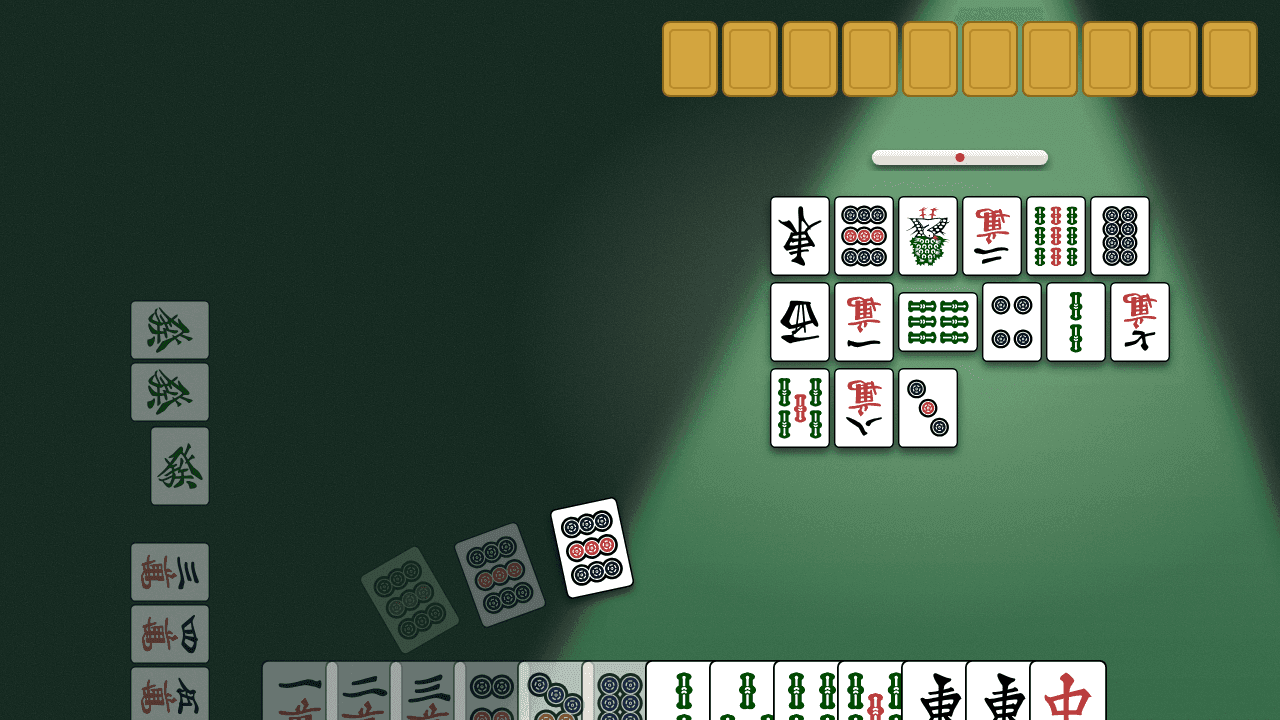
Turn 5. The player on your left throws a 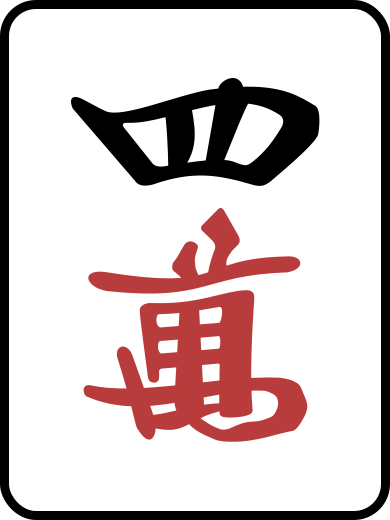 . You can it with your 56m and be right now, on a for the 2p and 5p.
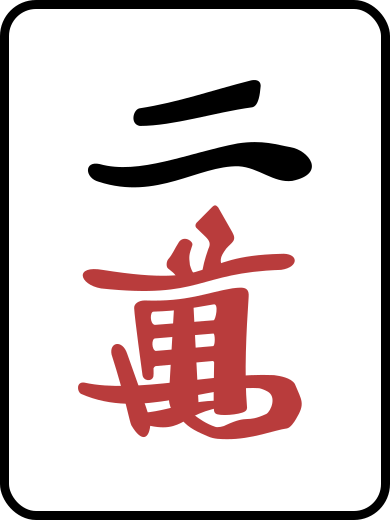
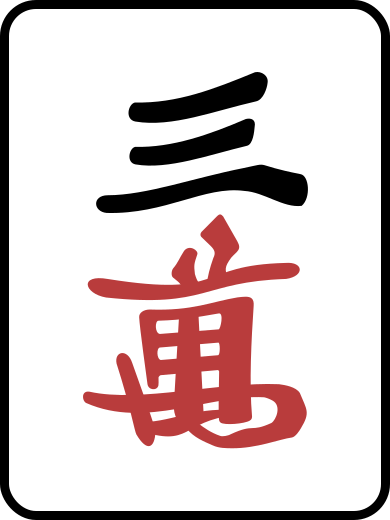
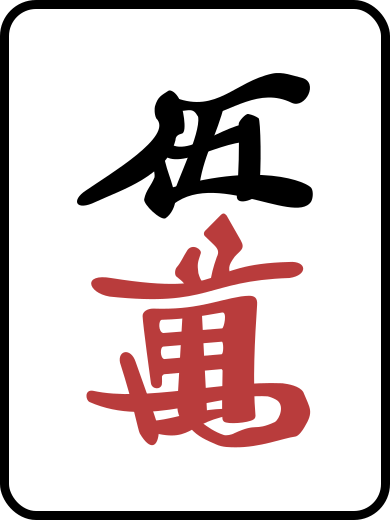
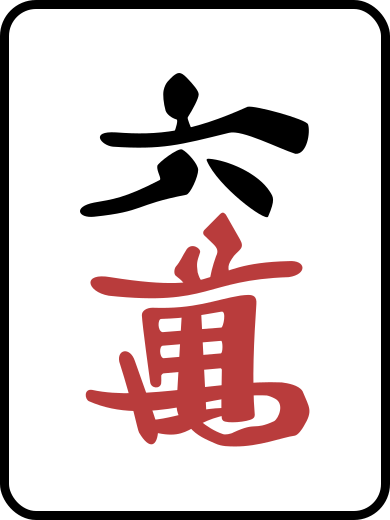
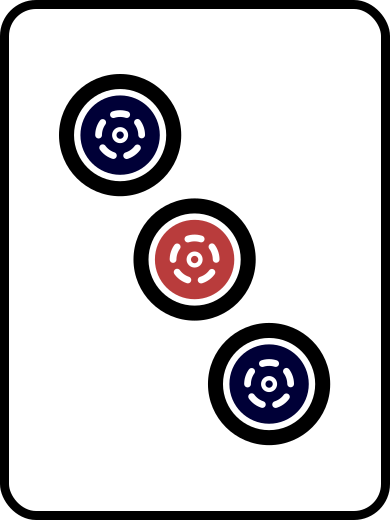
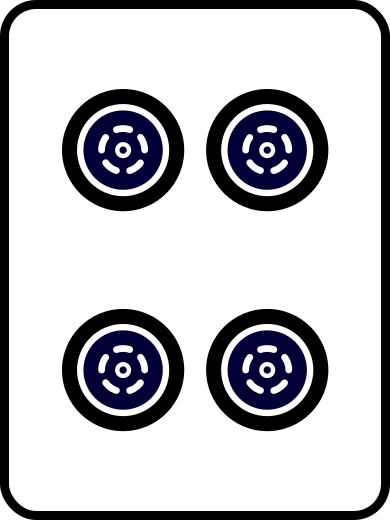
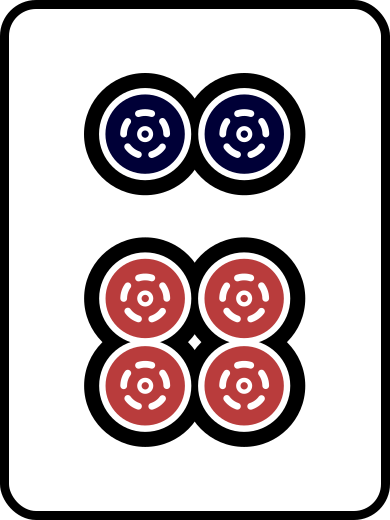
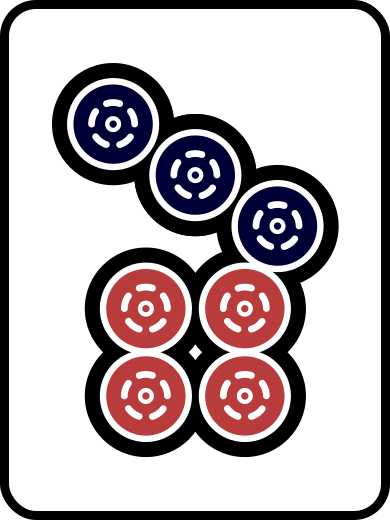
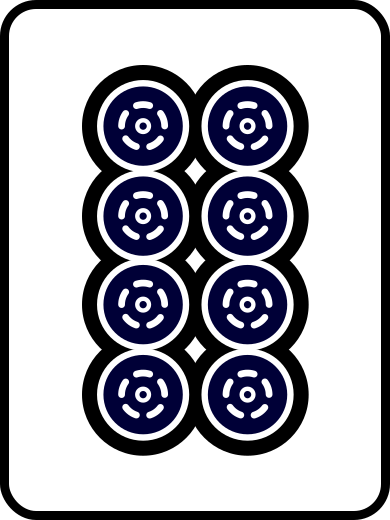
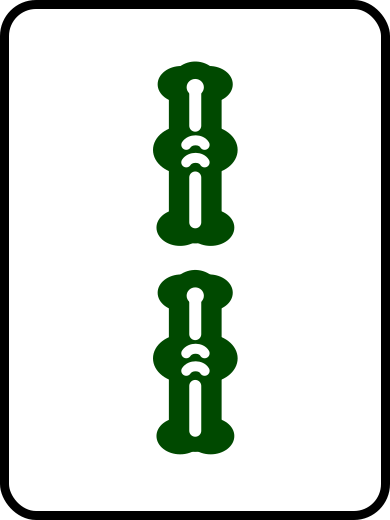
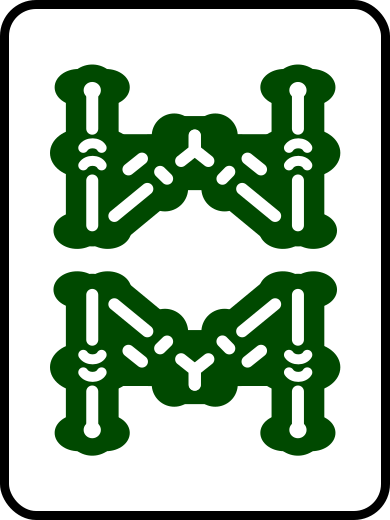
Call, throw the 8s, and you hold open : 1,000 points. Pass, and the same shape one draw later is a with and , 3,900 on a before any . One tile of difference, four times the money. The logs below say when that trade is worth it.
Where the numbers come from
The figures come from every four-player on Tenhou from October 16 to the afternoon of October 23, 2026, Japan time, 3,810 games read hand by hand from Tenhou's public archive. The sample sits close to the long counts: players opened their hand in 32.9% of the hands they played, against 34.4% in kobalab's statistics for all of 2016. Riichi dealer strategy describes the method.
For a benchmark, the middle half of Houou regulars with 500 or more games calls in 31.4 to 36.5% of hands, with a median of 33.9%, in the Nodocchi Phoenix DB. Path of Houou's 2020 study of 5,626 Houou players found one regular calling in 12.77% of hands and another in 68.63%, each over at least 100 Houou games.
The blog's author found the same spread in AI. In his calling-month notes, two NAGA versions with call rates of 23.2% and 40.6% both outperformed the original version that reached 10-dan. Which hands you open matters more than how many.
What a call gives up
Riichi is worth 1 han, and it brings more with it: , , and tsumo, none of which an open hand can collect. The riichi wins in the sample carried them this often.
| On riichi wins | Share or average |
|---|---|
| Ura dora, average per win | 0.41 han |
| At least one ura dora | 31.2% |
| Ippatsu | 19.3% |
| Menzen tsumo | 49.5% |
| (closed only) | 35.8% |
| Closed-only han per win: riichi, ippatsu, ura, tsumo | 2.10 |
That's two han on an average riichi win that a call removes from the table, before pinfu. Two han is two doublings: the same jump as 1,000 to 3,900 in the opening hand. kobalab's 2016 count gives the same ura rate over a year: 233,780 ura dora on 563,982 riichi and double-riichi wins, 0.41 a win.
The call takes other things too, by rule. Pinfu and are closed only, and , , , and each lose a han (the yaku guides list each). A closed ron also adds 10 that an open ron doesn't get.
| Win pays | Open hand | Riichi |
|---|---|---|
| 1,000 | 16.0% | 0.0% |
| 1,100 to 2,000 | 34.3% | 7.6% |
| 2,300 to 5,200 | 26.8% | 38.3% |
| 5,800 to 7,900 | 9.8% | 14.2% |
| or more | 13.1% | 40.0% |
| Average | 3,788 | 6,650 |
Half of all open wins pay 2,000 or less. Two riichi wins in five pay a or more. A call trades the big hands for speed.
The last thing a call gives up is defense. Every call moves three tiles from your hand to the table, and those tiles can't be thrown later. When a riichi comes, a closed hand has 13 tiles to fold with. A two-call hand has 7.
| Your calls when the riichi comes | Deal in | Win | Net per hand |
|---|---|---|---|
| 0 | 8.3% | 4.3% | -1,396 |
| 1 | 12.9% | 17.5% | -690 |
| 2 | 14.7% | 25.5% | -159 |
| 3 or more | 15.9% | 33.3% | +514 |
The closed row is full of folds, and the open rows are full of hands pushing on purpose. Read the table as the life of an open hand: once you're two calls in, you'll deal in almost twice as often as a closed hand facing the same riichi, and you'd better be winning often enough to cover it. At a 25.5% win rate, two-call hands are.
What a call buys
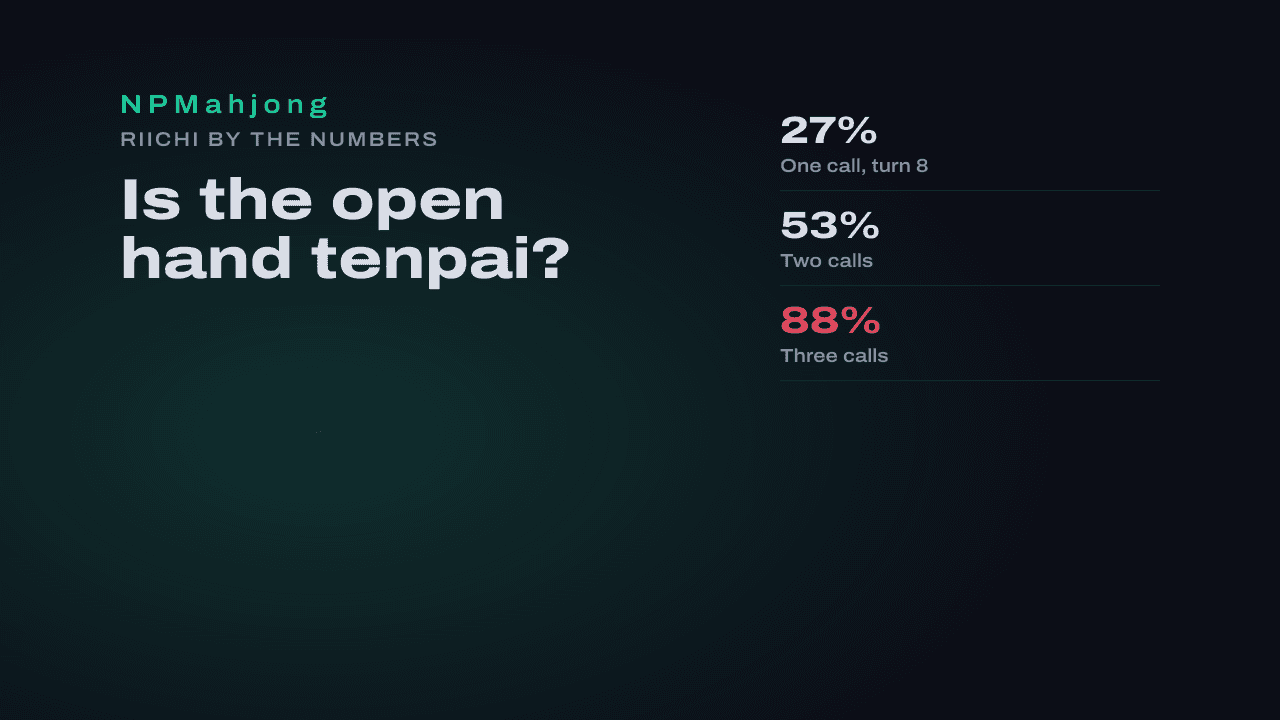
A call buys speed: it skips the wait on one block and often lands you in tenpai on the spot. kobalab's 2016 call counts show how early Houou players open: first calls peak after a player's third discard, and more than half of them come before the seventh. The open hand tenpai odds show the other side of it from across the table. A one-call hand at turn 8 is tenpai about a quarter of the time, a two-call hand half.
What each kind of first call bought, measured to the end of the hand:
| First call (hands) | Win / average win | Deal in | Net per hand |
|---|---|---|---|
| Yakuhai pon (21,174) | 36.0% / 4,134 | 13.2% | +505 |
| Other pon (12,660) | 26.8% / 5,014 | 14.5% | +294 |
| Chi (19,317) | 23.0% / 4,123 | 12.5% | -100 |
| Any call, first row (29,327) | 33.4% / 4,325 | 13.5% | +424 |
| Any call, third row (6,012) | 10.5% / 4,242 | 9.5% | -489 |
| No call (108,577) | 17.2% / 7,087 | 11.9% | -117 |
The pon is the call that pays. It settles the yaku in one move, so every later tile goes into the shape. The plain pon wins less often but bigger: it's where the and dora pons live. The chi is the marginal call. It wins a little under one hand in four and nets about what a hand with no call does, -100 against -117. Early, it does better: chis in the first row won 29.2% and netted +173. The late chi is the one that loses.
The value line: count the dora before you call
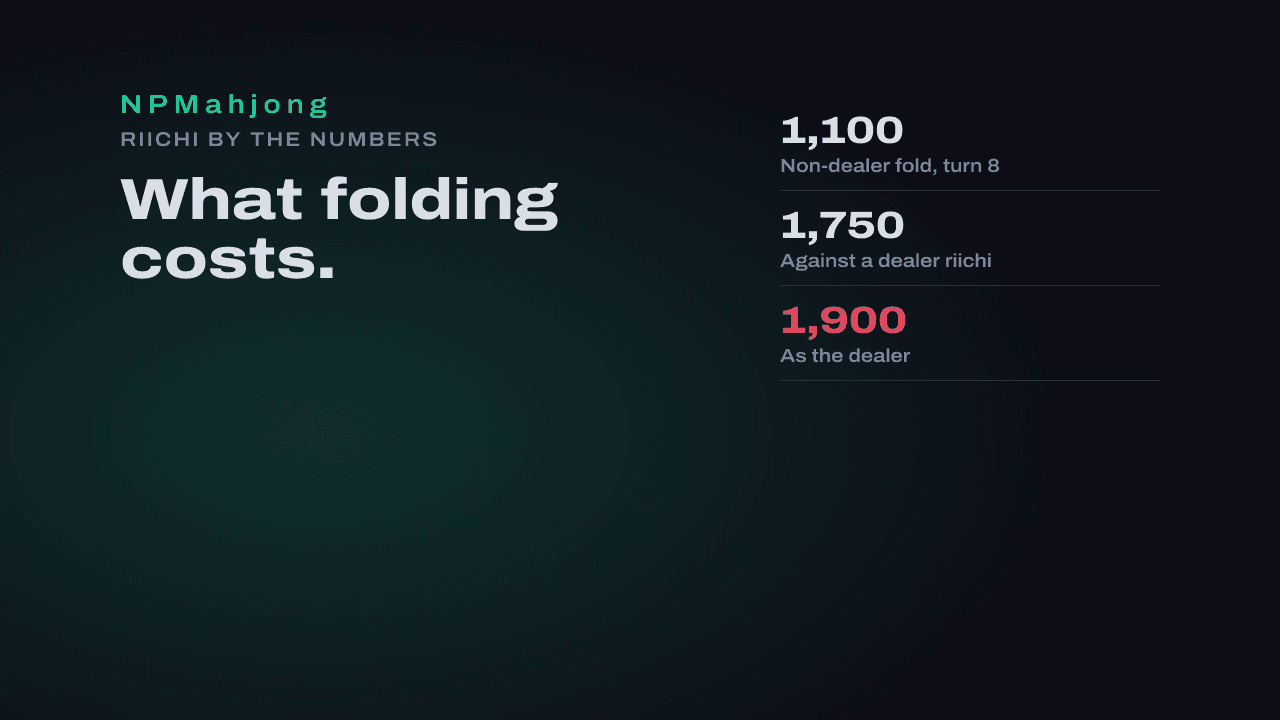
Start from what a hand you don't win costs. In the Houou logs, a who reaches turn 8 with no riichi and no calls on the table and then doesn't win loses 1,200 on average (what folding costs). So even a 1,000-point win is a swing of about 2,200 against not winning. The question is whether the call costs you a bigger one.
| Dora in the hand | Open wins: share / average | Riichi wins: share / average |
|---|---|---|
| 0 | 36.9% / 2,316 | 33.1% / 4,612 |
| 1 | 32.5% / 3,046 | 41.5% / 6,568 |
| 2 | 17.6% / 4,758 | 18.7% / 8,862 |
| 3 or more | 13.0% / 8,495 | 6.7% / 11,083 |
An open hand with two dora pays about what a riichi with none does: 4,758 against 4,612. An open hand with no dora averages 2,316, and 43.3% of those wins are exactly 1,000. A call costs about two han, and dora are the cheapest way to buy them back.
That gives a working line for a non-dealer in a normal position. When to call chi and pon drills the same calls on four practice hands.
- A yakuhai pon: call the first copy. It settles the yaku. With a dora in hand it pays 2,000 or more.
- Two dora (red fives count): call what moves the hand and keeps a yaku, chi included. With two dora the open hand pays about what a riichi with no dora does.
- No dora, a good closed shape: pass on the chi and the plain pon. The chi in the opening hand throws away a 3,900 riichi that's one draw from tenpai.
- No dora, a bad closed shape: a call is fine if it keeps a yaku and gets you to tenpai or a two-sided . A 1,000 that wins beats a riichi that never arrives.
The dealer's line sits lower: one dealer open win in five paid exactly 1,500. The win pays 1.5 times and keeps the seat, and riichi dealer strategy puts each extra hand of a dealership at about 730 points on top of the win.
Nemata's Gendai mājan gijutsuron (現代麻雀技術論) sets the line by turn, in Path of Houou's summary: from an with bad shapes, call from the first turn, and with a perfect iishanten, wait until turn 8.
When speed beats value
Some hands are worth ending more than winning big.
When you lead. Ending hands is the leader's job: every hand that ends is one fewer chance for 2nd. Path of Houou's lead study covers the player in 1st across 1.2 million Houou games. As the lead grew from under 4,000 to over 20,000, their riichi rate fell from 14.0% to 7.5%, calls only dropped from 35.7% to 32.5%, and the average win fell from 5,337 to 4,614. Rich men don't pick fights has the rest of that position.
When the dealer is running. The dealer seat nets about 730 points a hand more than a non-dealer seat. A 1,000-point call that ends the dealership is worth more than its 1,000.
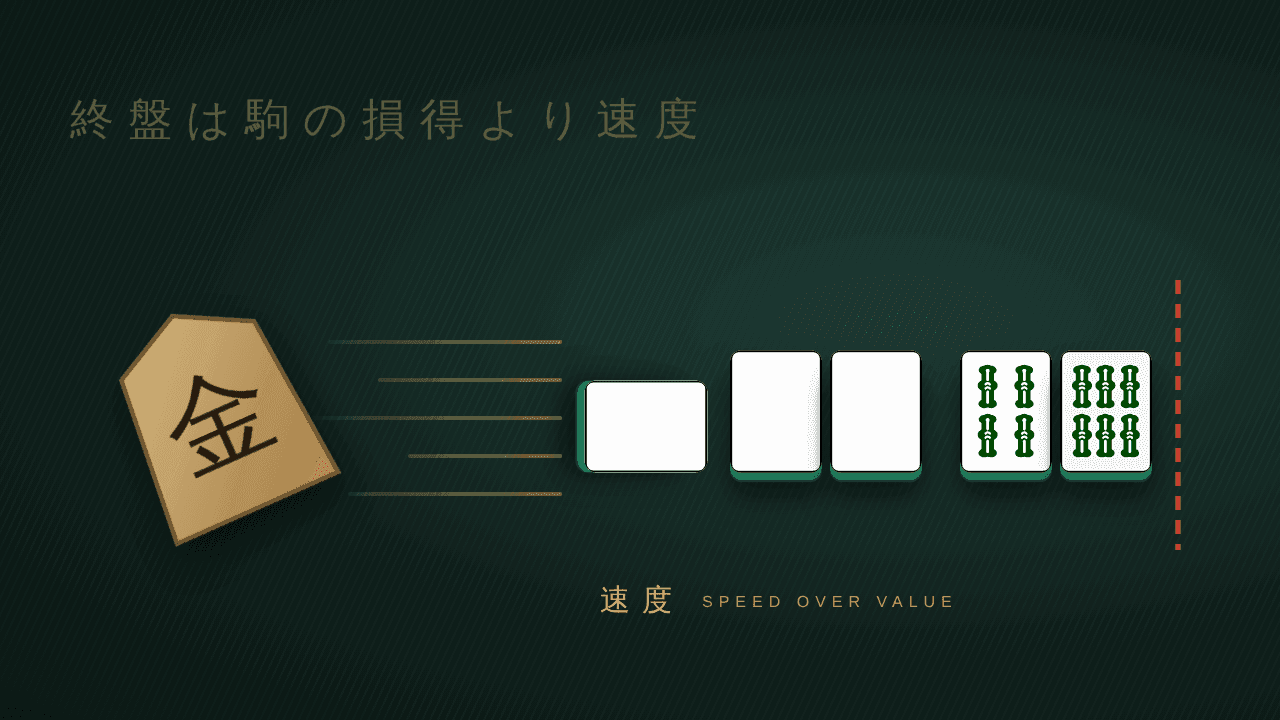
In . When a 1,000 changes your placement and a mangan doesn't change it more, the call wins. Speed over value works through the race.
Late in the hand. A third-row call is a call for the draw. First calls made that late won only 10.5% of the time, but of the hands that reached an exhaustive draw, players whose first call came in the third row of their river were tenpai 50.9% of the time. Closed players who never declared were tenpai 13.6%. A lone tenpai at the draw collects 3,000 in payments, and as the dealer it also keeps the seat.
Calling for defense
A call can help your defense in two narrow cases.
A call can buy a tenpai that's cheaper than a fold. Against a riichi, a hand one call from tenpai is often better off taking it than folding: what folding costs has the rule that a cheap tenpai beats a rich iishanten once a riichi is down. The call has to let you discard a safe tile, or it's just a push.
Call the other blocks first, keep the honor pair. With a yakuhai pair and a bad shape, call the other shapes before the yakuhai itself, and keep the honor pair to fold with if things get dangerous (the calling-month notes). Once one copy passes a riichi, the second is safe against that player.
What a call never does is make your hand safer by itself. Look back at the defense table: the more calls on the table when a riichi comes, the higher the rate.
Kan: a dora for everyone
A turns over a new dora indicator (Tenhou's manual has the timing), and that dora counts for every hand at the table, not just yours. Kans are rare: 8.2% of hands in the sample had one.
| (times) | Kan player wins / average win | Kan player deals in |
|---|---|---|
| Closed kan in riichi (386) | 43.3% / 10,260 | 10.1% |
| Closed kan, no riichi (1,514) | 25.4% / 8,510 | 13.0% |
| to a pon (1,389) | 33.6% / 6,966 | 14.6% |
| on a discard (193) | 37.3% / 6,188 | 14.0% |
The shows up in the other hands too. When a kan was on the table, wins by the players who didn't declare it averaged 6,704. In hands with no kan, the average win was 5,726. That's about 1,000 points more per win, and the extra indicator is the likely reason.
Kan when you're the one most likely to win, as in riichi, and think twice when someone else is in riichi and you aren't tenpai. The kan guide has the rules.
The drill: grade your next 20 calls
For your next 20 calls, note four things: the dora in hand, the yaku, the shape it left, and the row of your river. Grade each decision against the line above, not the result.
- A first-copy yakuhai pon, or a call with two dora that kept a yaku: right, win or lose.
- No dora and a good closed shape: that call should have been a pass.
- No dora and a bad shape: did it leave you tenpai or a two-sided iishanten? If not, it gave up a riichi for a slow 1,000.
- A third-row call: was it for tenpai at the draw? Then it was a defense call, and that's fine.
Price each graded call in the score calculator: the open hand you took against the closed hand you gave up, riichi included, plus one ura dora about one time in three. The gap is the number you paid for the speed.

Calling habits show up cleanly in a log: every call is recorded, and every one had a reason you can check. Book a coaching session and bring your logs. I'll mark each call that cost you points and each pass that should have been a call.
Was this article helpful?