
The player on your left throws the tile your (middle shape) needs, and the button lights up. Press it and you're a step closer to . You may also have turned a 3,900-point into a 1,000-point hand that's hard to fold. Three questions, asked before the tile lands, sort the good calls from the bad: does it move you forward or bring a yaku, what does it cost, and what do you throw next?
Chi takes a discard from the player on your left to make a run, and pon takes one from any player to make a triplet (How a hand is played). Either one opens your hand, and an open hand wins only with a yaku its own tiles make (What is a yaku?).
What a call buys and what it costs
A call buys speed: the called tile finishes a set without a draw, a step toward tenpai.
It costs four things.
- Riichi. No riichi , no , no ura , and no declaration to push the other three into folding.
- The closed-only yaku. (all runs and a ) and (a closed self-draw) are gone after one call, and so is (two identical runs).
- A han off some yaku. Sanshoku, ittsu, and chanta drop from 2 han to 1 when open, and honitsu from 3 to 2.
- Defense. Each call takes three tiles out of your hand, two into the set and one to the discard. What's left is what you fold with.
A with and pinfu that reaches a two-sided riichi pays 3,900 by . Open the same tiles with a chi and they pay 1,000 for open tanyao. A call is going back a step in reverse: the saved step has to be worth the difference.
Price the closed hand you'll end up with
Calling too little and calling too much start from the same mistake: mispricing the closed hand. Price it like a dream and you pass on good calls. Forget what it's already worth and you call away a good riichi. Price the hand you'll end up with, from its (steps from tenpai) and the shapes it has left.
East 3, turn 7. You're not the dealer, the dora is the 4m, and the player on your left discards the 6m.
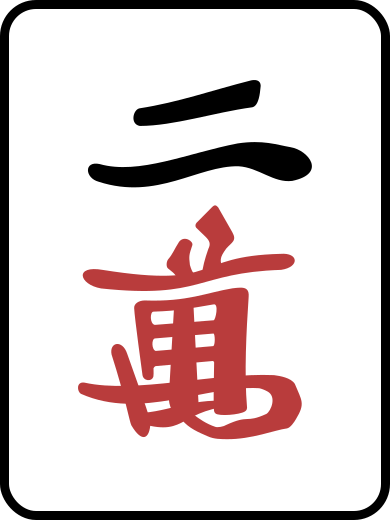
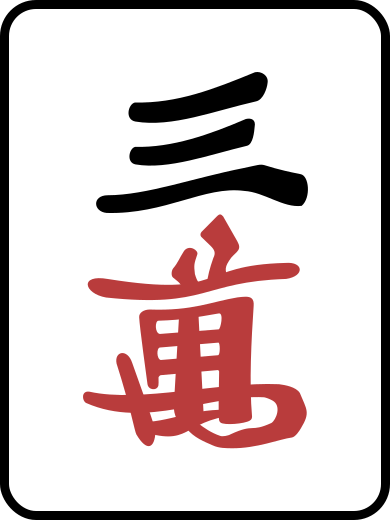
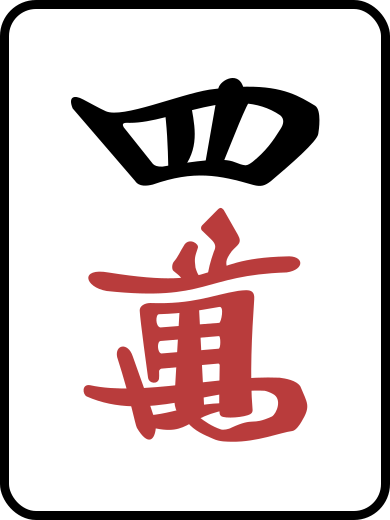
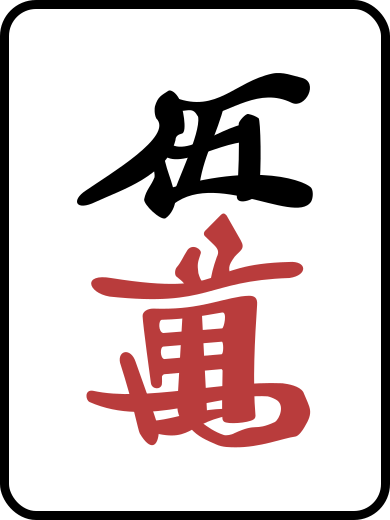
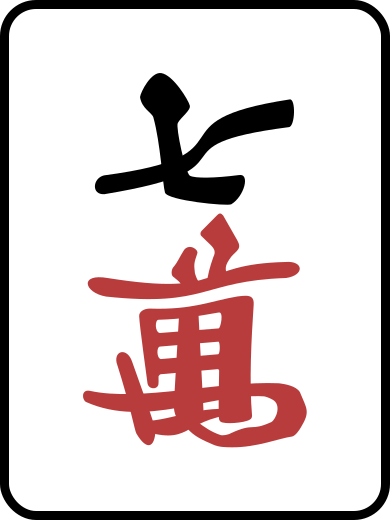
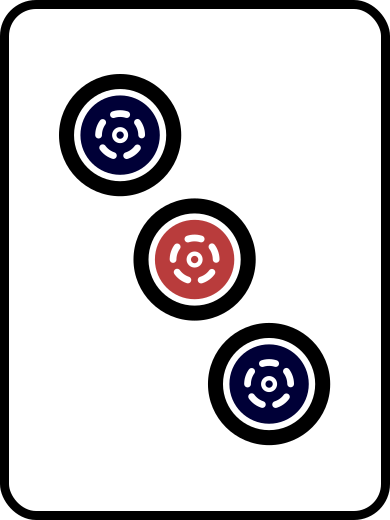
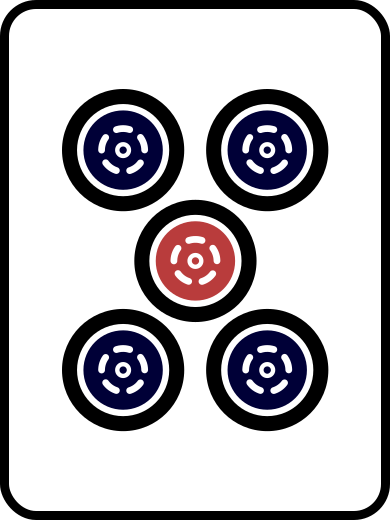
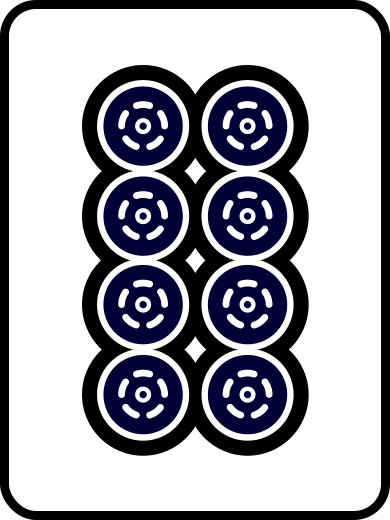
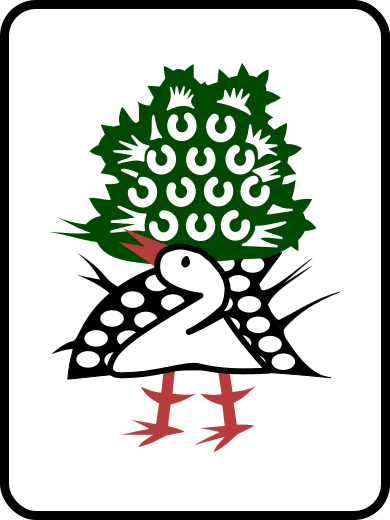
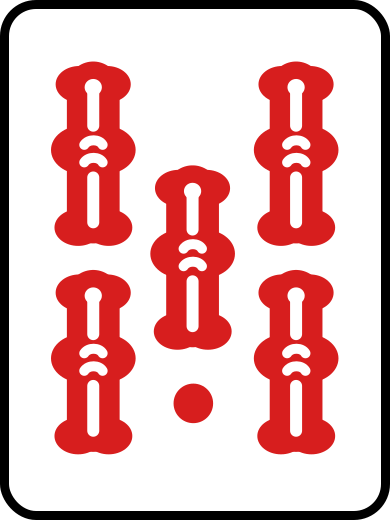
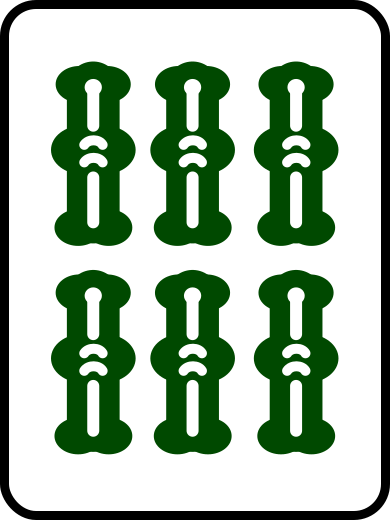
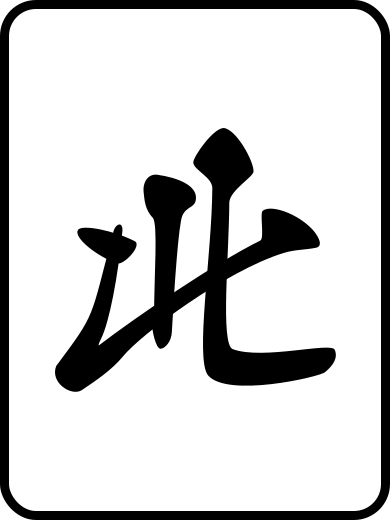
The dream: riichi, pinfu, tanyao, the red 5s, and the dora, plus tsumo and ura dora, a or more. The real hand is 2-shanten with two kanchans, the 57m and the 35p. The first useful draw comes from 15 tiles, with one 6m gone. Eight of those fill the 56s and leave both kanchans, and barring a reshaping draw, only filling both gives a two-sided wait. A win pays at least a , 8,000, but with two gaps to fill from turn 7, it often won't come.
Chi the 6m with your 57m, throw the 1s, and you're 1-shanten with tanyao and two dora: 3,900. The 4p, 4s, and 7s, 12 tiles, make tenpai, by draw or by chi. That's under half the closed price, but a step closer. Call. Playing the dora gives the same rule: with two dora, spend your choices on speed.
The second error is calling away a closed hand that's already good. A 1-shanten with two-sided shapes, pinfu, and tanyao is one useful draw from a riichi worth 3,900 or more. Early in the hand, a call that cuts that to about a quarter doesn't pay for itself. The third practice problem tests it.
A call should take you a step forward
Most chi and calls turn a into a set, and that lowers your shanten by one. The pon of your only pair is the one to check. If the hand already has its five blocks, as in the five-block method, the pair becomes a set, you need a new pair, and the shanten stays where it was.
A call that leaves your shanten unchanged is usually wrong: you opened the hand for nothing. Two exceptions pay for it. The first secures a yaku the hand didn't have, like the pon of a value-honor pair, even your only pair: the hand no longer needs riichi to win off a discard. The second fixes a bad shape in an open hand. Say a pon of whites and one more call have left you tenpai with 46678p and a 22s pair, waiting on the 5p alone. Chi a 7p with your 68p, throw the 4p, and you wait on the 5p and 8p: 7 tiles instead of 4, with one 8p in your new set.
Once you're open, riichi and pinfu are spent, so a second call that takes you a step forward costs mostly defense, plus some room to shape your wait.
Calls that are usually right, and the one that isn't
Three kinds of call are usually worth it.
- The first copy of your value-honor pair. One call gives you a set and a yaku, and if you let it pass, one copy is left. Yakuhai covers the exceptions.
- A tanyao call with two dora or red fives. It already pays 3,900, like the hand above. Open tanyao covers the waits that keep the yaku.
- A call that makes tenpai in the last turns. When the wall runs out, tenpai instead of (not tenpai) moves your score by 2,500 to 3,000 points (How a game works), more than a cheap win. The last turns shows how.
The AI engines go further. A fast 1,000 that ends the dealer's run or locks in a placement is a good hand to them, and they call for it far more often than closed-hand purists do (what the engines settled). The word that matters is fast. If you learned to keep every hand closed, call more in these spots.
The call that's usually wrong is the slow one. A chi that leaves you two steps from tenpai with no dora gives up riichi for 1,000 points. Tanyao also makes you throw your honors, the tiles you'd fold with. That's a cheap, slow hand made cheap, slow, and defenseless. The rank-up guide files it under call discipline: a yaku and real speed, or no call.
Know your discard, then count your safe tiles
A pause at the call prompt holds up the game and leaks information, so decide before the tile comes. Know which tiles you'd chi or pon, and what you'd throw after each. (swap calling), from How a hand is played, limits the answer. On Tenhou and Mahjong Soul you can't discard the called tile that turn, or the tile the same two tiles could take from the other end. Chi a 4s with your 56s and you can't throw a 4s or a 7s. A plan to chi and drop a spare 7s doesn't exist.
Then count what you'd fold with. One call leaves you 10 tiles in hand, two calls leave 7, and three leave 4. How to fold asks for three safe tiles by the middle of the hand, and four tiles rarely hold three.
That sets a bar for each call. A second call should leave you 1-shanten or better. A third should make you tenpai. Data from Tenhou's top room () backs the three-call half: at turn 8, called hands outside were tenpai 26.8% of the time with one call, 53.3% with two, and 88.5% with three (tenpai odds by calls). Turns count from zero there, so turn 8 is the ninth discard. The open hand tenpai tool looks up any turn.
Practice
You're not the dealer in any of these. Name the shanten before and after the call, and the price, before you pick.
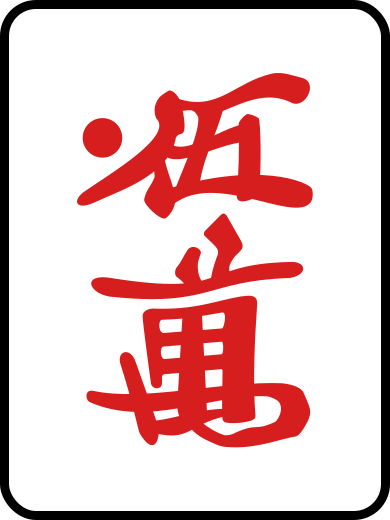
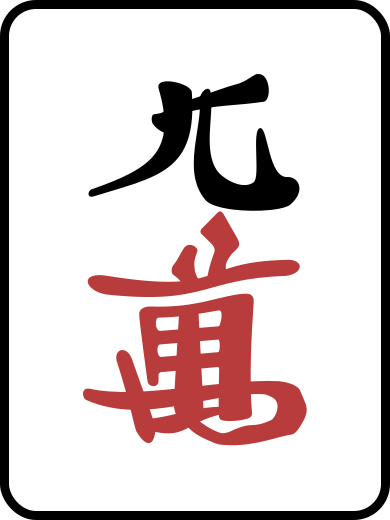
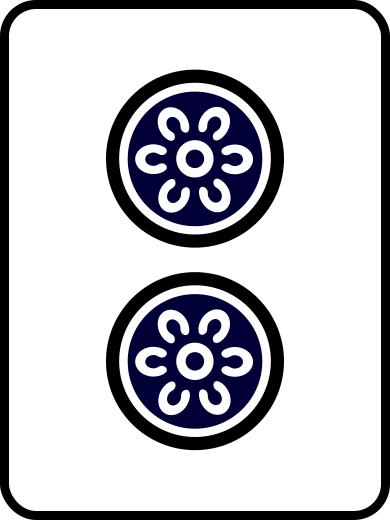
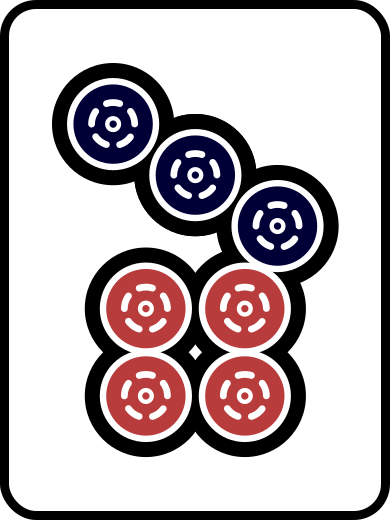
East 2, turn 6. The player across discards the green dragon.Dora
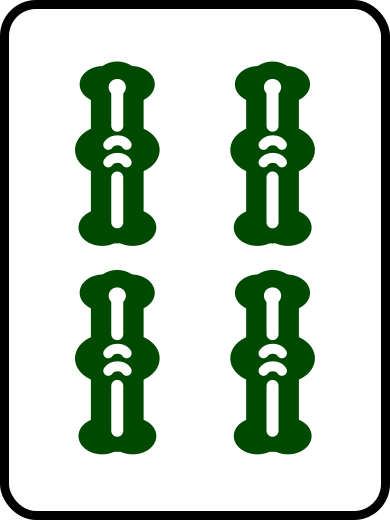
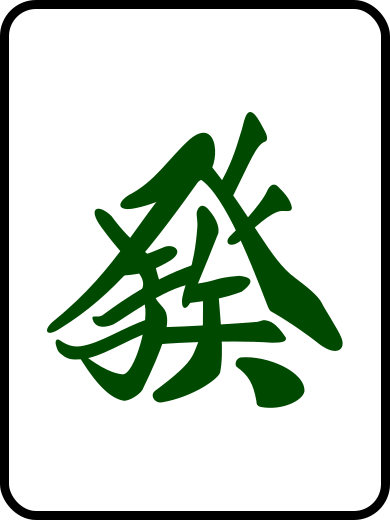
Pon the green dragon, or let it pass?
Show the answerHide the answer
Call
Call. The greens were your pair, so you're 1-shanten before and after the pon, but the pon brings a yaku. Closed, 12 tiles reach tenpai, 8 of them onto a one-sided 5s wait, and only riichi (or the last green) wins off a discard: 2,600 with the red five. Open, and the red five pay 2,000, and 24 tiles reach tenpai, plus chi on the 1p, 4p, or 5s. Half leave a , but twice the tiles for 600 less is a good trade. Pass, and one green is left.
East 1, turn 5. You're South. The player on your left discards the 4p.Dora 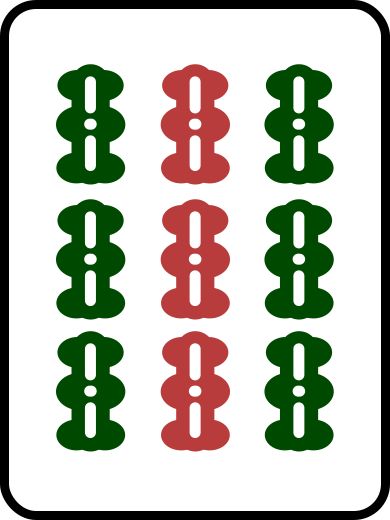
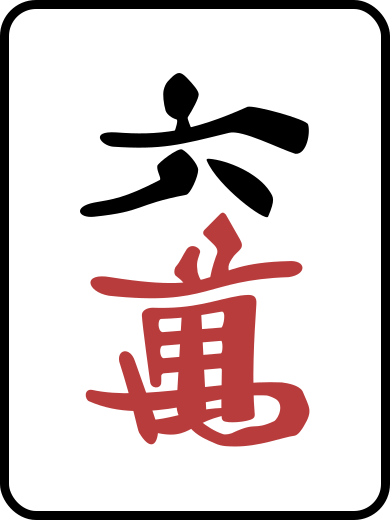
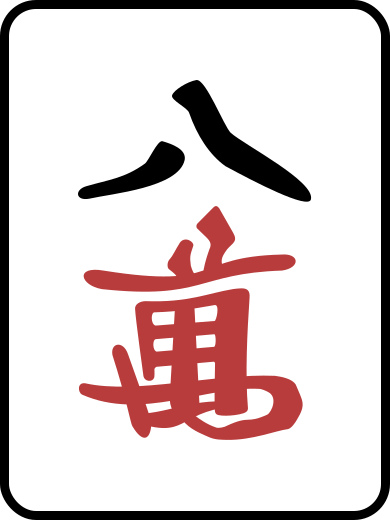
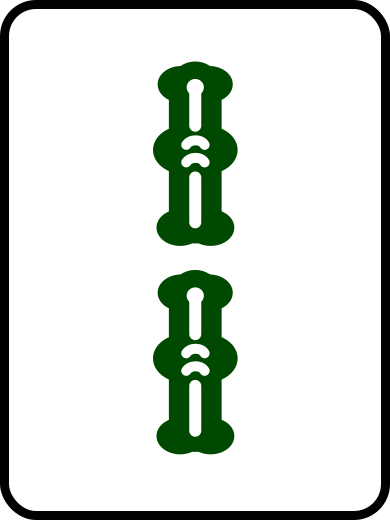
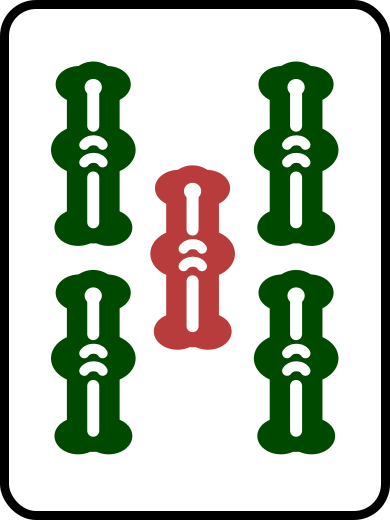
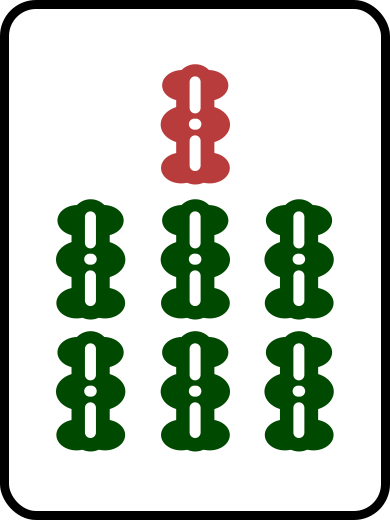
Chi the 4p with your 35p, or let it pass?
Show the answerHide the answer
Pass
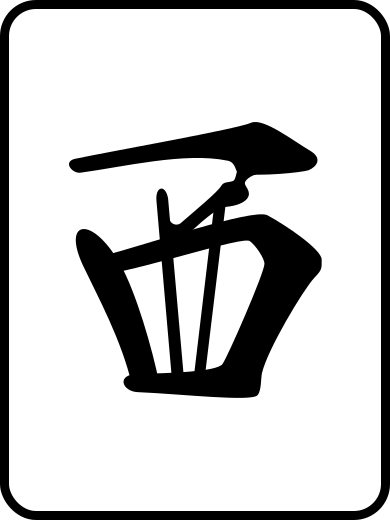
Pass. The chi lowers your shanten from 3 to 2, so it passes the first test, then fails on price and speed. Besides the two sets you hold the 57s, a pair of 2s, and loose (isolated) tiles, so you're still two useful draws from tenpai. It pays 1,000 with tanyao, which spends the West and the North, the tiles you'd fold with. Closed, the hand is a step further back but keeps riichi for value and the two winds for defense.
East 1, turn 4. The player on your right discards the 2p.Dora 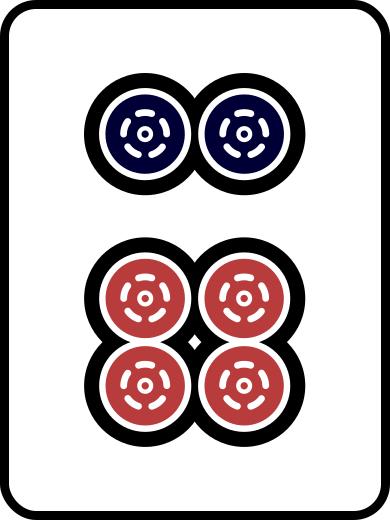
Pon the 2p, or let it pass?
Show the answerHide the answer
Pass
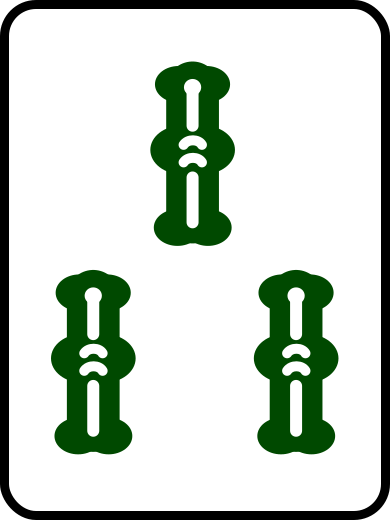
Pass. You're 1-shanten before and after the pon, because your only pair becomes a set. Neither exception applies: closed, the hand already has tanyao, and both its shapes are two-sided. The 2s, 5s, and 8s, 12 tiles, each give a two-sided riichi with pinfu, tanyao, and the dora: 7,700 by ron. Open, it pays 2,000. The pon does widen the hand to 24 tiles, but a third of them leave a single wait. A quarter of the price for no step forward is a bad trade at turn 4.
South 3, turn 14. Nobody has declared riichi. The player across discards the 2s.Dora 
Pon the 2s, or let it pass?
Show the answerHide the answer
Call
Call. Closed, you're 1-shanten with three or four draws left, and only 11 tiles make tenpai, since one 2s is now gone. 8 of them leave a , and riichi pays 2,600. The pon makes tenpai now: throw the 9m, and the 67p waits on the 5p or the 8p, 8 tiles, all simples. It pays 1,000 by ron with tanyao. If the wall runs out first, tenpai is worth 2,500 to 3,000 more than noten.
How often open hands are tenpai
Set a turn, then switch between one, two, and three calls to see how often Houou players' open hands were already tenpai. It shows how far along each number of calls tends to be, and why a third call should make tenpai.
Open the tenpai odds tool