
Your hand is one tile from winning. That tile lands in another player's discard, and the client shows no button to take it. The hand had the shape of a win but (役), a scoring pattern from a fixed list, and a hand without one can't win.
Four sets and a pair is half the rule
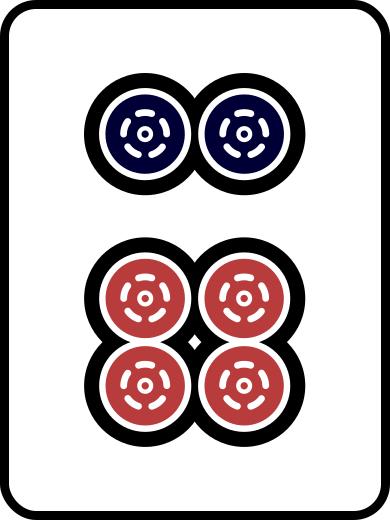
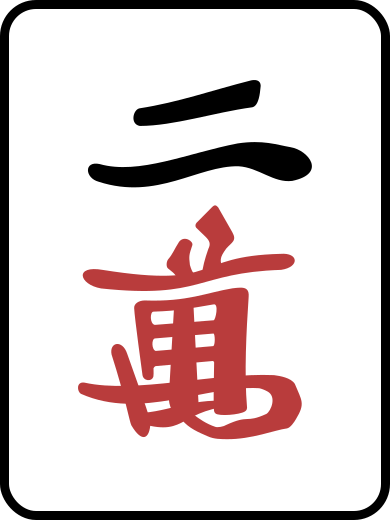
You called on the 6m to make 678m, then drew the 8s.
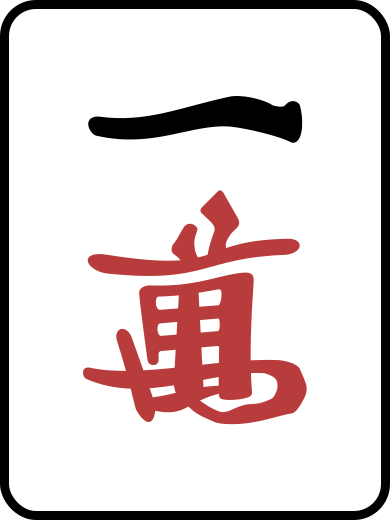
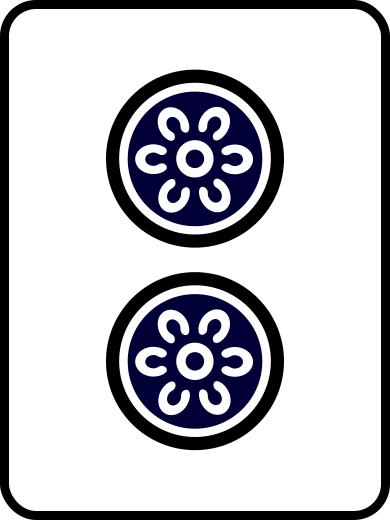
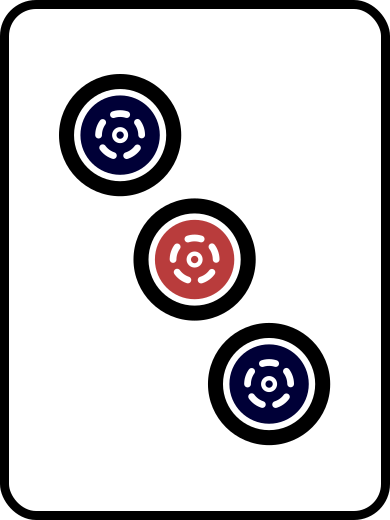
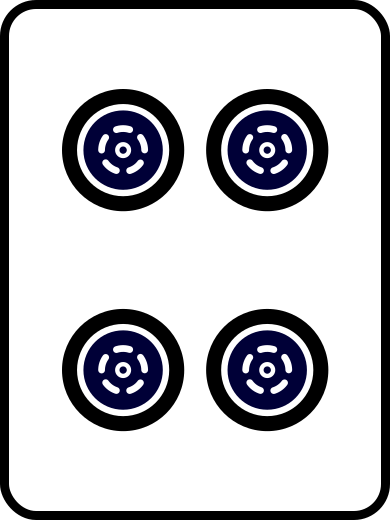
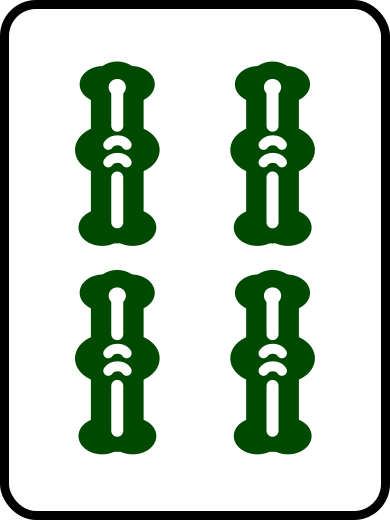
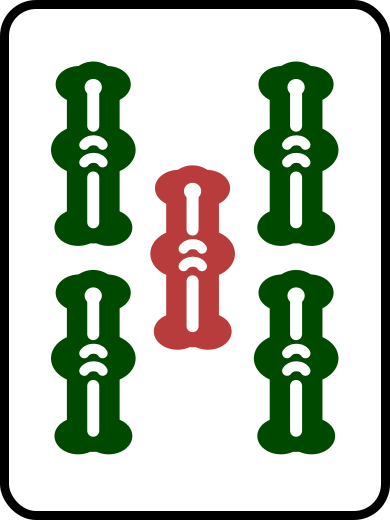
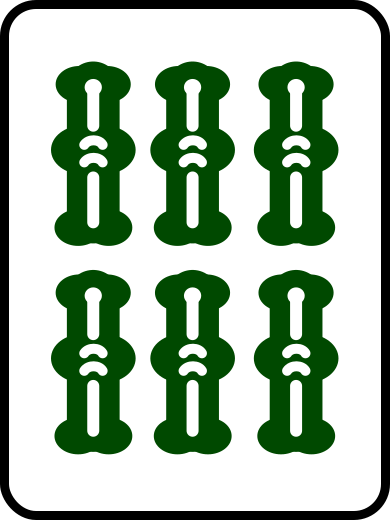
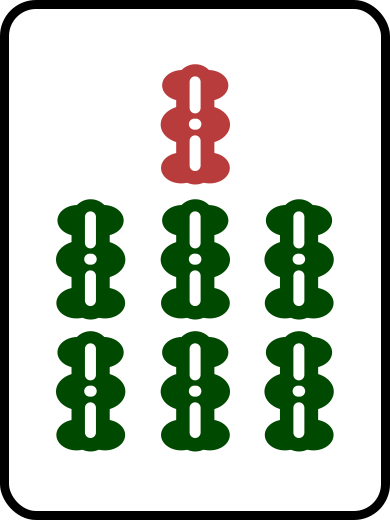
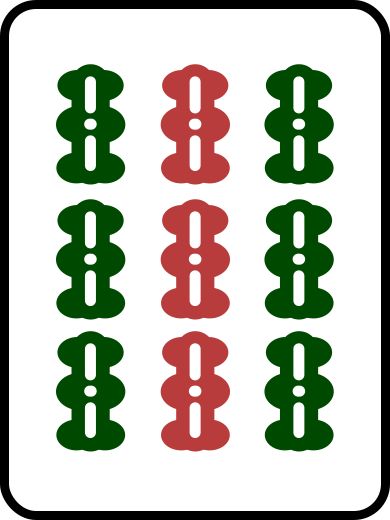
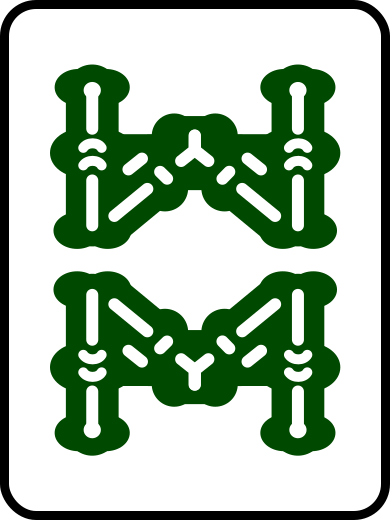
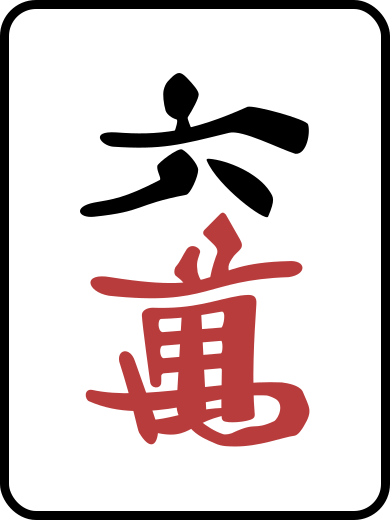
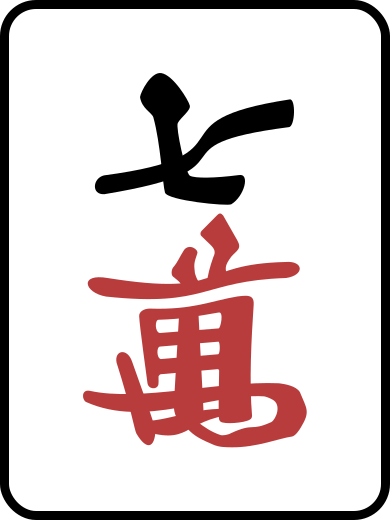
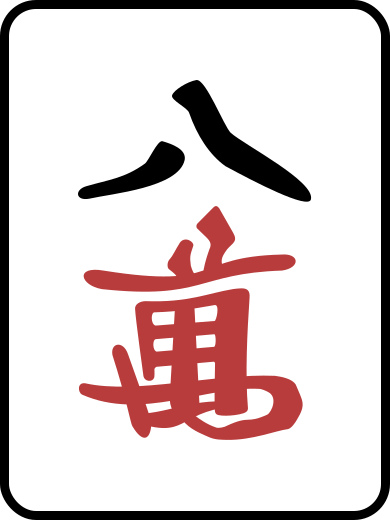
That's four sets and a pair: 678m, 234p, 456s, 789s, and the 11m pair. It still can't win. Not on this draw, and not on an 8s from another player.
A winning hand needs at least one yaku. Each yaku is worth a number of (飜), and the han in a hand set its price. What a hand pays turns han into points.
This hand has none. The chi opened it, and , , and all need a . The 1m pair and the 9s rule out , which needs every tile to be a 2 to 8. With no triplet of honors, there's no (value tiles) either.
Now hold the same tiles with no chi. The hand wins on that 8s, because a closed hand that wins on its own draw scores menzen tsumo. Declare riichi first and a discarded 8s would win too. Same tiles. The call made the difference.
Online, a hand with no yaku gets no or tsumo button. At a live table, calling that win is a foul (), and you pay a penalty.
What a call takes away
Your hand is closed (menzen) until you call a chi, a , or an , as How a hand is played showed. A closed keeps it closed. The yaku fall into three groups by what a call does to them:
- Closed only: riichi, menzen tsumo, pinfu, and a few others such as . One call and they're gone.
- Smaller when open: some bigger yaku lose a han. (one suit plus honors) is 3 han closed and 2 open.
- Unchanged: tanyao and yakuhai, plus a few others such as (all triplets).
That split decides whether a hand can get stuck. A closed hand never does. Once it's one tile from winning (), it can declare riichi, and riichi is a yaku. Even without riichi, a closed hand that draws its own winning tile has menzen tsumo. Tenpai, riichi and furiten covers when you're allowed to declare.
An open hand has none of that. It wins only with a yaku its own tiles make, and the two you'll lean on most are tanyao and yakuhai. A call that leaves no yaku in sight gives you a hand that can reach tenpai and still not win, except by a rare yaku such as a win on the last tile.
The five everyday yaku
The full list runs to a few dozen yaku. Learn these five first.
| Yaku | What it needs | After a call |
|---|---|---|
| Riichi | A closed tenpai, declared with a 1,000-point stick | Gone |
| Menzen tsumo | A closed hand that wins on its own draw | Gone |
| Tanyao | Every tile a 2 to 8 | Stays on Tenhou and Mahjong Soul |
| Yakuhai | A triplet of a dragon, your , or the | Stays |
| Pinfu | Closed, four sequences, a plain pair, and a | Gone |
Riichi works on any closed tenpai, whatever the tiles: you turn your discard sideways as you declare.
Menzen tsumo (closed self-draw) needs no declaration, and it stacks with riichi.
Tanyao (all simples) needs every tile to be a 2 to 8, the simples from How to play riichi mahjong. One 1, one 9, or one honor anywhere, the pair included, removes it. It stays 1 han after a call: that's open tanyao (kuitan), allowed on Mahjong Soul and in Tenhou's main ranked lobbies. Some house rules ban it, so ask at a new table.
Yakuhai is 1 han for each triplet or kan of a value tile, open or closed. The value tiles are the three dragons, your seat wind, and the round wind. Dragons count for every player. So does the round wind: East in the East round, South in the South round, which How a game works explains.
Say it's the East round and you sit South. An East or South triplet is yakuhai for you. West and North are guest winds there, and a triplet of either scores no han. When your seat wind is also the round wind, as for the dealer in the East round, the triplet counts twice: 2 han, a double wind. A pair of value tiles is not a yaku. It needs the third copy.
Pinfu needs a closed hand of four sequences, a pair that isn't a value tile, and a win on a two-sided wait (ryanmen), like waiting on 4p or 7p. Pinfu and tanyao shows how to build toward it.
Bigger yaku include seven pairs and toitoi at 2 han, and the flushes at 2 to 6 han. The yaku list has every one with its han closed and open, and later lessons such as Honitsu and chinitsu cover when to go for them.
Dora add han, never a yaku
are bonus tiles. Each one in your winning hand adds 1 han, open or closed, ron or tsumo. None of them is a yaku.
The dora indicator is the face-up tile in the , which How a hand is played showed. The dora is the tile after it:
- Numbers: one up in the same suit. A 4p indicator makes the 5p the dora, and a 9 points to the 1.
- Winds: East, South, West, North, then East again.
- Dragons: white, green, red, then white again.
The indicator itself isn't a dora. Three more kinds of dora add han the same way:
- Red fives. On Tenhou and Mahjong Soul, one 5 in each suit is red, and each is a dora by itself. A red five that is also the dora counts twice.
- Ura dora. When a riichi hand wins, the tile under each indicator becomes an indicator too. Only the riichi winner counts them.
- . Each kan turns over one more indicator, and the dora it names count for every player.
Dora count per tile, so a pair of the dora is 2 han and a triplet is 3. The dora guide has every rule, including when a kan's indicator turns over.
Dora pile up fast, which makes them the easiest way to fool yourself. Three dora in an open hand with no yaku are 3 han you can't collect. Dora make a hand bigger. Only a yaku lets it win.
The dora indicator is the 4p.Dora 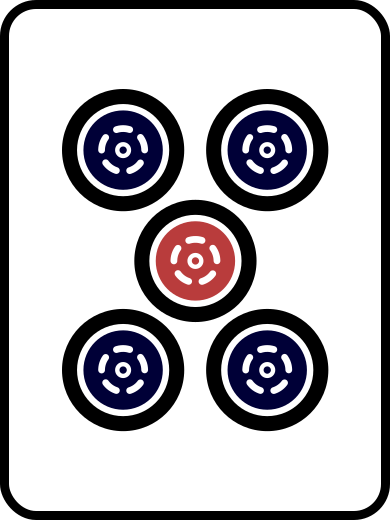
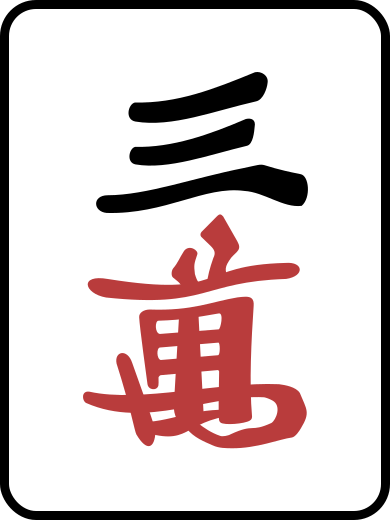
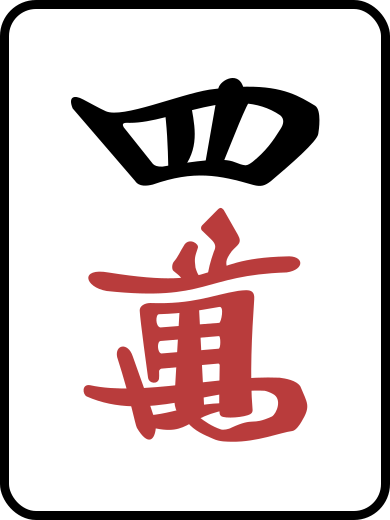
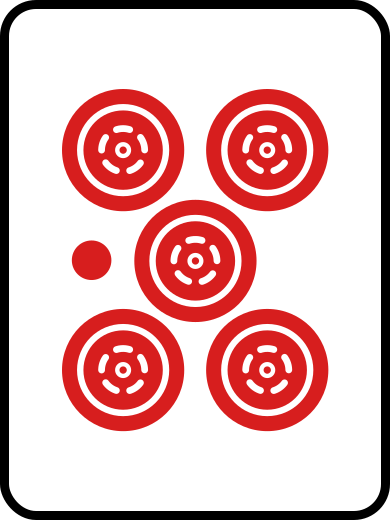
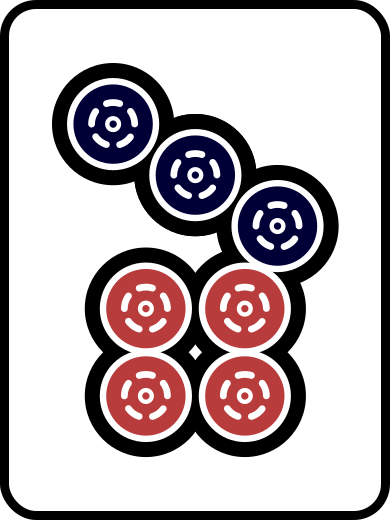
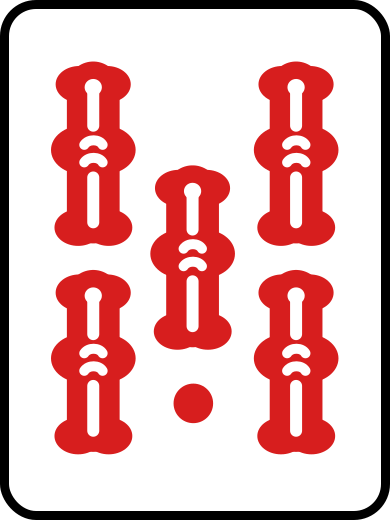
How many dora does this hand hold?
Show the answerHide the answer
4
Four. The 4p indicator makes the 5p the dora. Your red 5p counts twice, once as a red five and once as the dora, and your plain 5p adds a third. The red 5s is a dora on its own. The 4p in your hand counts for nothing, because the indicator names the next tile, not itself. A win on its 2m or 5m wait scores tanyao and pinfu, and the four dora sit on top of them.
Name the yaku before you call
The yaku has to be in the hand when you win, not when you call. On Tenhou and Mahjong Soul you can chi first and complete the yaku later (), for example by drawing the third copy of a dragon pair. The catch: until the yaku is there, the hand can reach tenpai and still not win.
A yaku can also hang on the winning tile. Say your open tanyao hand waits on . A 4s keeps every tile from 2 to 8, so it wins. A 1s finishes the same four sets and a pair, but it breaks tanyao, so it can't. Let a discarded 1s go by, though, and you can't ron a 4s until your next turn, a trap Tenpai, riichi and furiten explains.
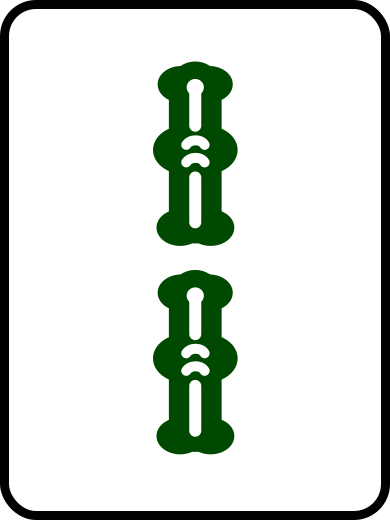
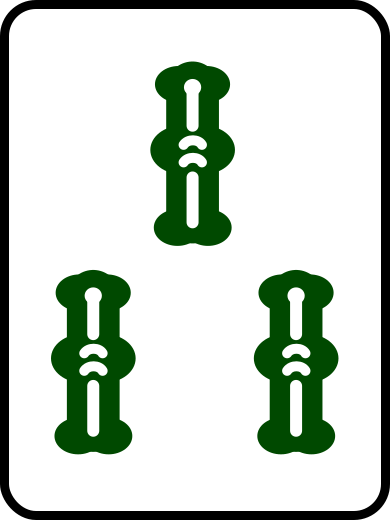
So before you press chi or pon, name the yaku the open hand will have: "tanyao", "". No name, no call. Your first ranked games makes this one of its rules, and When to call chi and pon covers the calls that pass the test.
Practice
Each hand is one tile from winning, and another player discards a 6s. Decide whether you can take it.
You called chi on the 3m.
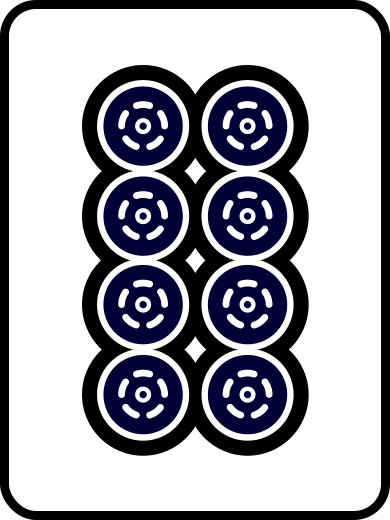
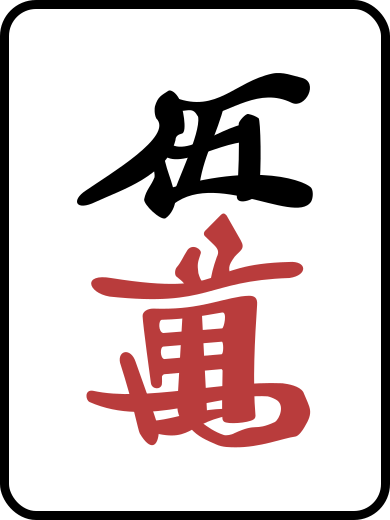
Another player discards the 6s. Can you win on it?
Show the answerHide the answer
No
No. The chi opened the hand, so riichi, menzen tsumo, and pinfu are gone. Tanyao was the plan, but the 99s pair breaks it, since the pair counts too. Nothing else here is a yaku, so neither the 6s nor the 3s can win. With a pair of simples (any 2 to 8) instead, the same call would have made open tanyao.
Your hand is closed. You haven't declared riichi.
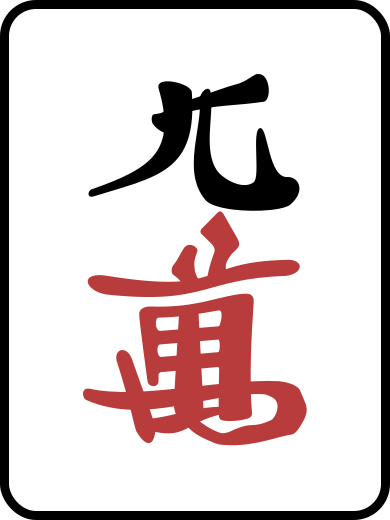
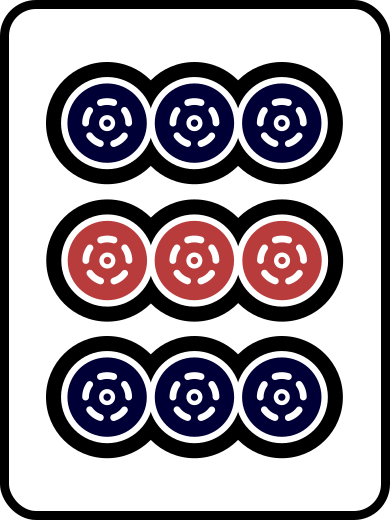
Another player discards the 6s. Can you win on it?
Show the answerHide the answer
No
No. Closed isn't enough. The hand has no yaku of its own: the 1m, the 99m pair, and the 789p rule out tanyao, and the 57s waits only on the 6s, which rules out pinfu. A 6s you draw yourself wins with menzen tsumo. Declare riichi and a discarded 6s wins too, which is the reason to declare.
You called pon on the green dragon.

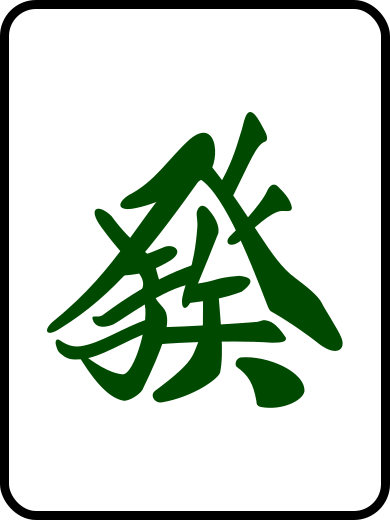
Another player discards the 6s. Can you win on it?
Show the answerHide the answer
Yes
Yes. The triplet is yakuhai, 1 han for every player, and a pon doesn't change that. The 1p and the 9p don't matter, because yakuhai asks nothing of the rest of the hand. The 6s wins, and so does the 9s, by ron from any player or by tsumo.
You called chi on the 2p.

Another player discards the 6s. Can you win on it?
Show the answerHide the answer
No
No. You're waiting on two pairs, the 66s and the white dragons. A 6s makes 666s and leaves the white dragons as the pair, and a pair of dragons isn't a yaku. The chi rules out riichi and menzen tsumo, and the dragons rule out tanyao. The wins instead: it turns the pair into a triplet, and that's yakuhai. Pass this 6s, though, and you can't ron the dragon until your next turn.
Keep every yaku in view
The printable cheat sheet lists every yaku with its han closed and open, next to the score tables. Keep it beside you and check it before each call until the five everyday yaku come without looking.
Open the cheat sheet