
Your left player throws a 6p, and two buttons pop up on your screen: and . Press one and you skip your draw and open your hand. Press it while another player holds a call that outranks yours, and the tile goes to them anyway.
How to play riichi mahjong showed the goal, four sets and a pair. A hand gets there one draw and one discard at a time, from the deal to a win or an empty wall, and a game is a series of hands.
Four seats, and play moves to your right
Four players sit at the table, and each seat has a wind: East, South, West, and North. Your matters later for yaku, the scoring patterns a hand needs. East is the dealer (), takes the first turn, and gets paid more for a win. The winds move to new seats when the deal passes, which How a game works covers.
Play runs East, South, West, North, then back to East. On the table that's counterclockwise. South sits on East's right, so the player who plays after you is always on your right, and the player who plays before you is on your left.
| Seat | Name | Plays | Chi from them |
|---|---|---|---|
| Your left | (上家) | The turn before yours | Yes |
| Across | (対面) | Two turns after yours | No |
| Your right | (下家) | The turn after yours | No |
The wall, the deal, and your turn
All 136 tiles go face down into the wall. On Tenhou and Mahjong Soul the client shuffles, builds, and deals for you, and the where to play page compares the clients.
The last 14 tiles of the wall are the (wanpai). It holds the replacement tiles you draw , plus the indicator: a face-up tile that names a bonus tile, the dora. The dora guide has every rule.
Everyone gets 13 tiles. The dealer then takes a 14th as the first draw and makes the first discard. From there every turn is the same: draw one tile from the wall, then discard one. Between turns your hand is 13 tiles, and 14 for the moment after a draw.
Of 136 tiles, 14 sit in the dead wall and 52 are dealt, which leaves 70 to draw. With no calls, the dealer and South draw 18 times each, and West and North 17. That's the whole hand if nobody wins: 17 or 18 draws each to finish four sets and a pair.
Your discards go face up in front of you, in order, in rows of six. That's your river (), also called the pond. Eighteen discards fill three rows, so the rows work as a clock: a first-row tile went out early, a third-row tile late.
Take a discard: chi, pon, and kan
A discard stays live for a moment after it lands. Before the next player draws, anyone may call it to finish a set. There are three calls.
Chi makes a run, from your left only
Chi takes a discard to make a run (a sequence) with two tiles you hold. You can chi only from the player on your left, because chi uses the turn you were about to take anyway. Any two tiles the discard turns into a run will do. takes a 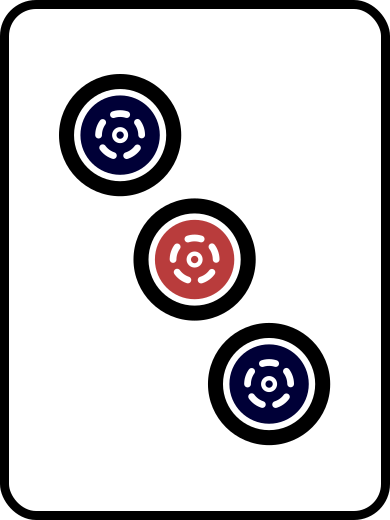 or a
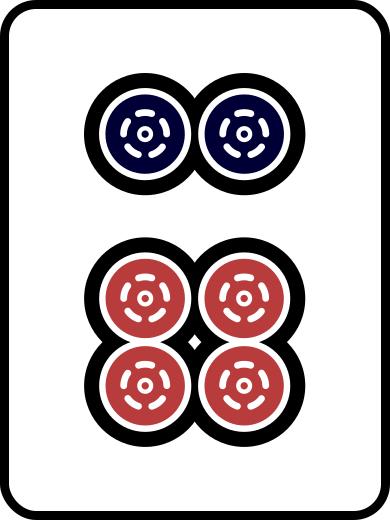 . takes the
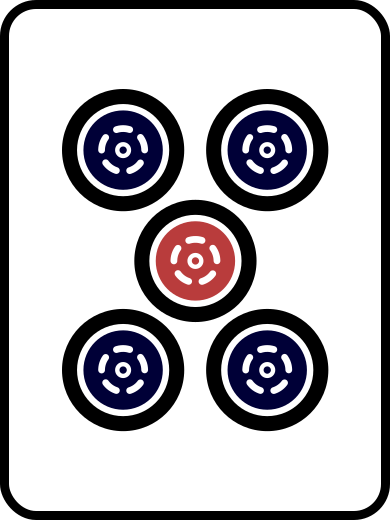 . takes the .

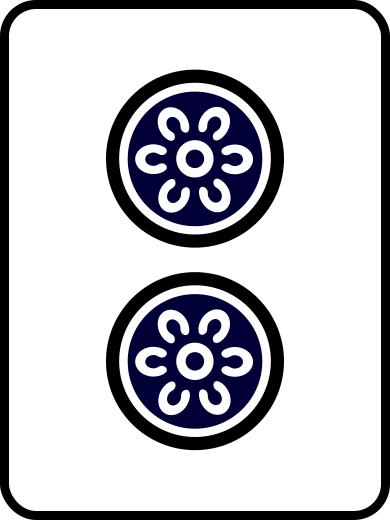
Pon makes a triplet, from anyone
Pon takes a discard to make a triplet with a pair you hold. You can pon from any player, so a pon can come out of turn.
Kan makes four of a kind, three ways
A is all four copies of a tile, made one of three ways:
- (minkan): you hold three, and another player discards the fourth. Call it from any seat.
- (kakan): you called pon earlier and hold the fourth, fresh from your draw or kept from before. On your turn, add it to the called set.
- Closed kan (): all four are in your hand, from the deal or your own draws, and you declare them on your turn.
A kan uses four tiles for one set, which would leave you a tile short. So you draw a from the dead wall, then discard. Each kan also turns over another dora indicator, and the dora guide has the timing on each rule set.
What a call changes
After a chi or a pon, you lay the set face up to the right of your hand, with the called tile turned sideways. You don't draw: the called tile takes the place of a draw, and you discard next. Below, you've called chi on a 6p with your 45p. The is a loose (isolated) tile that fits no set, so it's your discard.
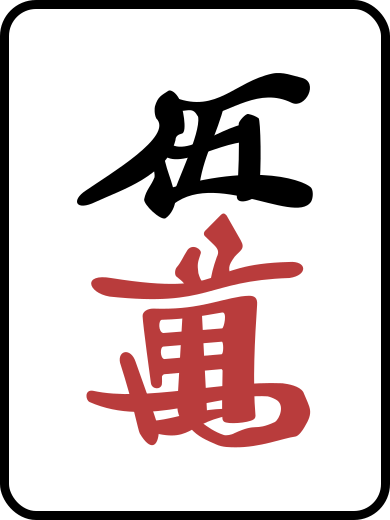
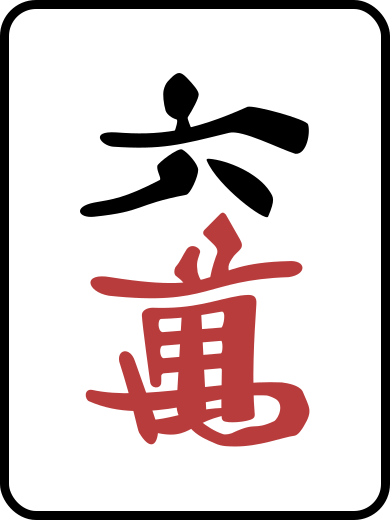
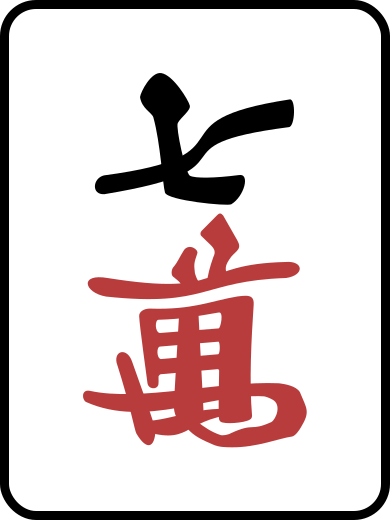
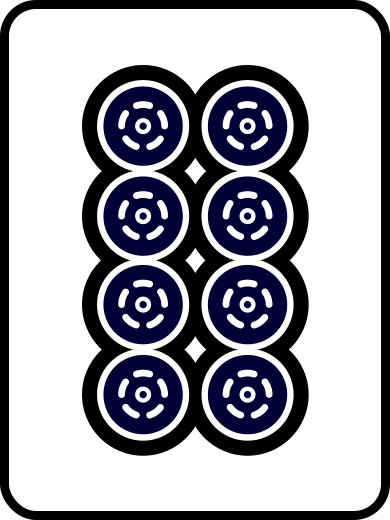
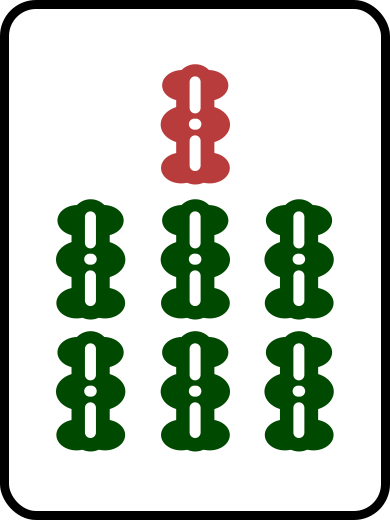
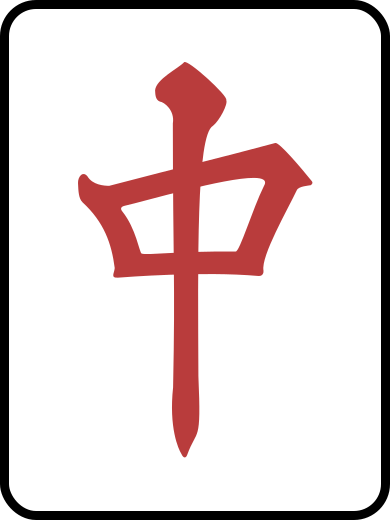
A chi, a pon, or an open kan opens your hand. An open hand can't declare , the ready call the game is named after, and some yaku need a . A closed kan keeps your hand closed.
One rule stops you from swapping a tile through a call. On Tenhou and Mahjong Soul you can't call a tile and throw it straight back (, swap calling). Chi a 6p with 45p and that turn you can't discard a 6p, or a 3p, which the same 45p could have taken. The client won't let you.
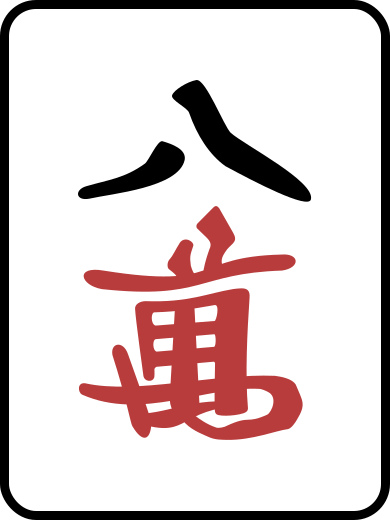
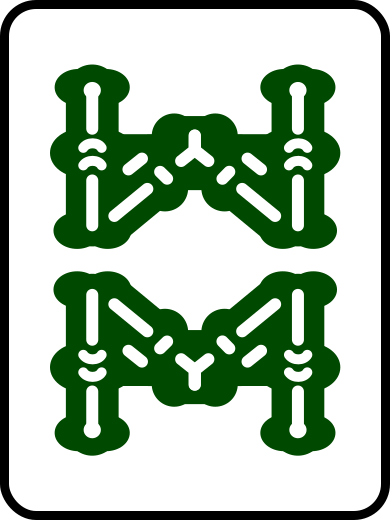
The player on your left discards the 6p.
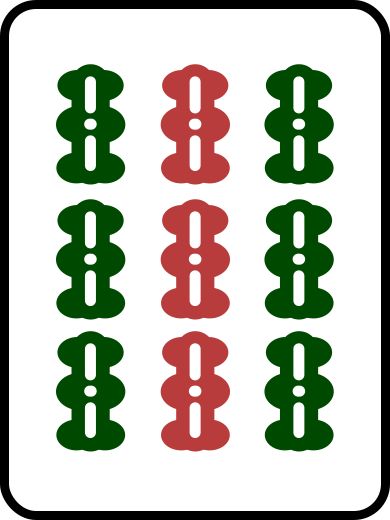
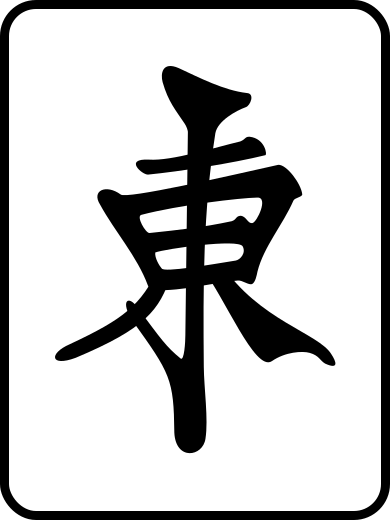

Which calls can you make?
Show the answerHide the answer
Chi or pon
Chi or pon. Your left player is the one seat you can chi from, and your 45p turns the 6p into 456p. Your 66p pair makes a pon legal as well, and pon works from any seat. Both buttons appear. Whether to press either one is a separate question, and When to call chi and pon answers it.
The player across discards the 3s.
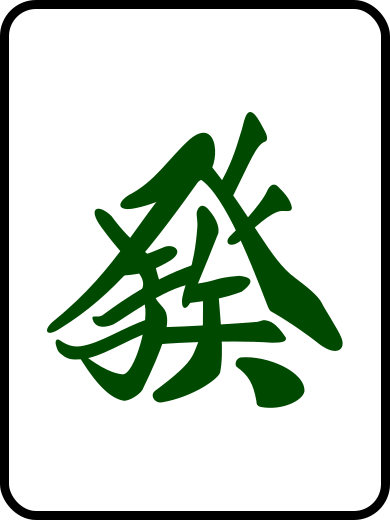
Which calls can you make?
Show the answerHide the answer
Pon
Pon. Your 33s pair takes a third 3s from any seat. The chi looks tempting, since the 3s also fits between your 2s and 4s, but the player across isn't on your left, so chi isn't allowed. The same 3s from your left player would give you both options.
The player on your right discards the 5m.
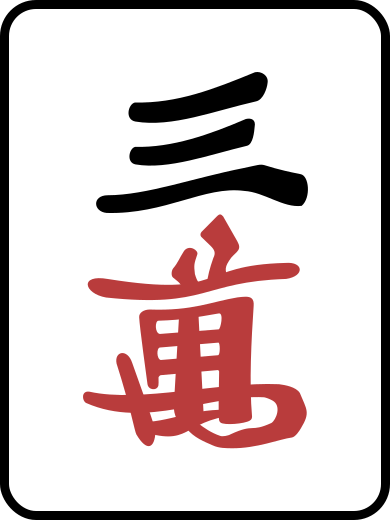
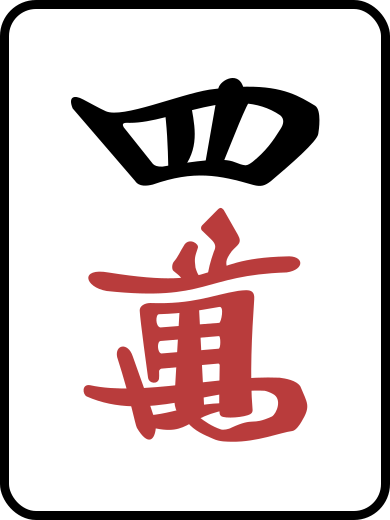
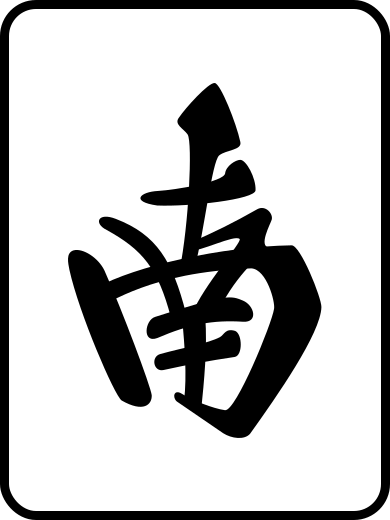
Which calls can you make?
Show the answerHide the answer
Neither
Neither. Your right player plays the turn after yours, so you can never chi their discards, and a pon needs two 5m in your hand. From your left player, the same 5m could be called three ways: 345m, 456m, or 567m.
When two players want the same tile
, a win on the discard, beats every call. Pon and kan beat chi.
Say your left player discards a 6p. You hold 45p and call chi, and the player across holds 66p and calls pon. The pon wins, and online the client settles it for you. The player across takes the tile and discards, and play goes on to their right, which is your left player. So the player who threw the 6p plays again straight away, and you and your right player both lose your turns.
That shows a second rule. A call moves the turn to the caller, everyone between the discarder and the caller loses a turn, and play goes on from the caller's right.
| You call a discard from | Who loses a turn |
|---|---|
| Your left | Nobody. You were next anyway |
| Across | The player on your left |
| Your right | The player across and the player on your left |
The player across discards the red dragon (7z), and you call pon.
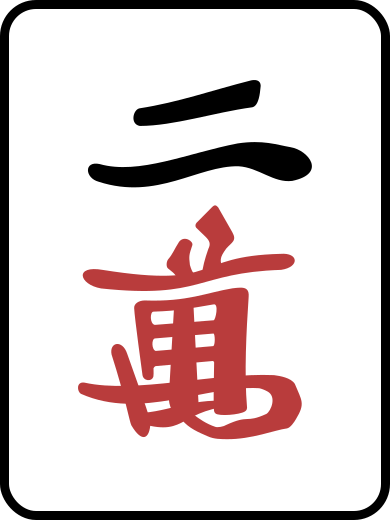
Who loses a turn?
Show the answerHide the answer
The player on your left
The player on your left. After the player across, the next turn belonged to your left player and then to you. Your pon jumps the queue: you take the 7z and discard without drawing. Your right player plays next, as always after your discard.
Ron, tsumo, or nobody wins
You win when a 14th tile completes a winning shape: four sets and a pair, , or . It can reach you two ways.
- Ron: you win on another player's discard, from any seat. The player who threw it pays the whole hand.
- Tsumo: you win on your own draw, and a replacement tile after your kan counts. All three other players pay. When a wins by tsumo, the dealer pays a double share.
| Win | Who pays | What they pay |
|---|---|---|
| Ron | The discarder alone | 8,000 |
| Tsumo | All three others | 2,000 from each non-dealer, 4,000 from the dealer |
When the dealer wins by tsumo, the other three pay equal shares. The beginner terms page puts ron and tsumo side by side.
Besides the shape, a hand needs at least one yaku, and a rule called can block a ron. What is a yaku? and Tenpai, riichi and furiten cover both.
The wall can run out before anyone wins. The player who draws the last tile can still win on it by tsumo, and the other three can ron the discard that follows, but nobody can chi, pon, or kan that . If nobody wins on either, the hand ends in an exhaustive draw (), and the players one tile from a win collect from the ones who aren't. How a game works has those payments.
Much rarer, an abortive draw ends a hand early with no winner and no payments. The client applies it for you, except the nine terminals draw, which you may declare with a button on your first draw.
You called pon on the red dragon and discarded the East wind.
What are the waits?
Show the answerHide the answer
Waits 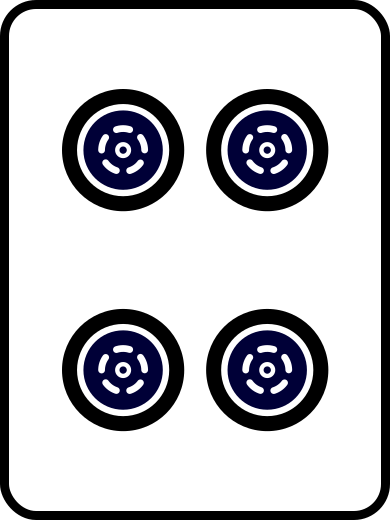
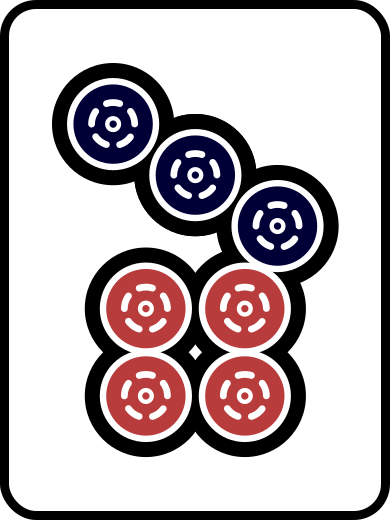
The 4p or the 7p. The 56p is the only unfinished part: 234m and 678s are runs, 99s is the pair, and the called 777z is a set. A 4p makes 456p and a 7p makes 567p, 8 tiles in all. Either one wins by ron from any seat, not only your left, or by tsumo on your own draw, and the red dragon triplet gives the hand its yaku.
Score a home game
When you play at home, the score tracker records each hand as a ron, a tsumo, or a draw and works out who pays whom. On the first hand of a game, record a non-dealer tsumo at 5 han: the preview shows the dealer paying 4,000 and the other two 2,000 each.
Open the score tracker