
Your first ranked game asks you to decide something every turn: which tile to cut, whether to take a discard, what to do when another player turns a tile sideways. You don't have the theory for most of it yet. Five rules cover the decisions that cost new players the most points.
Treat them as training wheels. The first four each name the lesson that replaces them, and the fifth stays for good. Until you get there, follow all five every hand, even when one feels wrong.
Rule 1: build four sets and a pair, and cut loose tiles first
Every hand aims at the shape from How to play riichi mahjong: four sets and a pair. Keep the tiles that are sets or close to one: a pair, a two-sided shape () like , or a middle shape () like . A loose (isolated) tile has nothing within two of it in its suit, or it's an honor with no partner. Loose tiles go first.
Cut them from the outside in. Guest winds leave first: the winds that are neither your nor the . They can't make a run, and a triplet of one scores no . Loose 1s and 9s are next. Hold the value honors a few turns longer: the dragons, your seat wind, and the round wind. Pair one up and you can the third for a yaku (rule 3). Loose 2s and 8s come after, and loose middle tiles last.
East 1, your first discard. You're South, so the North is a guest wind.
What do you discard?
Tap the tile you would cut.
Show the answerHide the answer
Cut 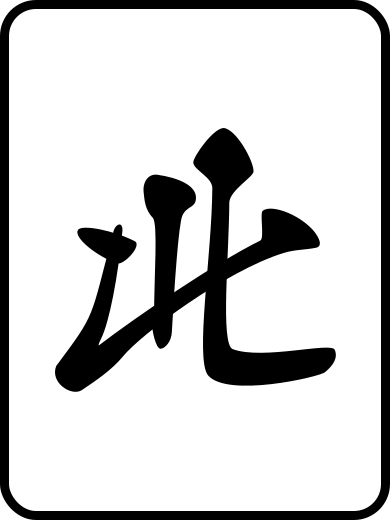
The North. Your loose tiles are the 9p, the 1s, and the North. The 1p isn't loose: with the 3p it makes a kanchan. The North can only pair, with three copies left. The 9p can still become 79p, 89p, or 99p, and the 1s 12s, 13s, or 11s. The hand analyzer counts 85 tiles that move this hand closer to after the North cut, and 77 after cutting either of the others.
Later: What to discard first gives the full order and its exceptions, and The five-block method shows what to break when every tile has a job.
Rule 2: riichi every closed tenpai, right away
When your reaches tenpai and nobody has declared yet, declare on that discard, the way Tenpai, riichi and furiten showed. Riichi gives the hand a yaku and 1 han, brings in ura and , and pushes players far from tenpai to fold.
Do it on a bad wait too. A kanchan or a (an edge shape like 12p, waiting on the 3p) is a one-sided wait, on one tile kind, and it still wins. In the site's riichi wait data from Tenhou's top room (), a riichi on a one-sided wait for a 5 at turn 8 wins 33% of the time, against 52% to 57% for a two-sided wait. Turns count from zero there, so turn 8 is your ninth discard. And declare right away: a quiet tenpai with can't at all, and one with a yaku wins for less.
The price: once you declare, you can't fold against a later riichi.
East 2, turn 4. Nobody has declared. You're not the dealer.
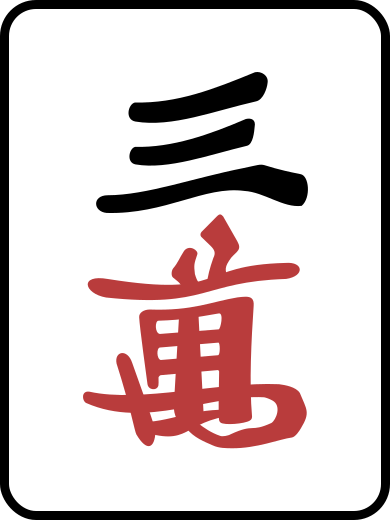
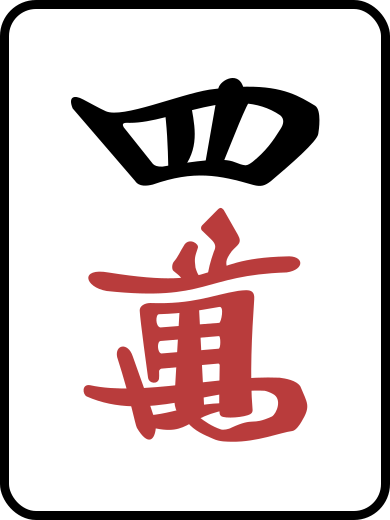
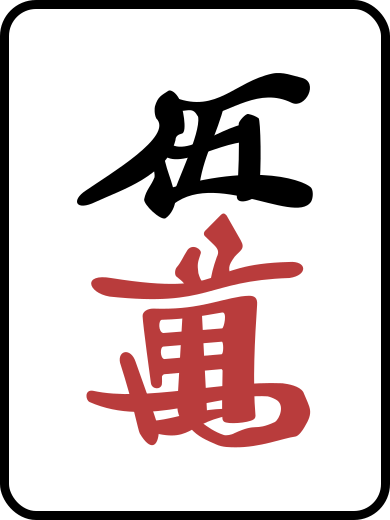
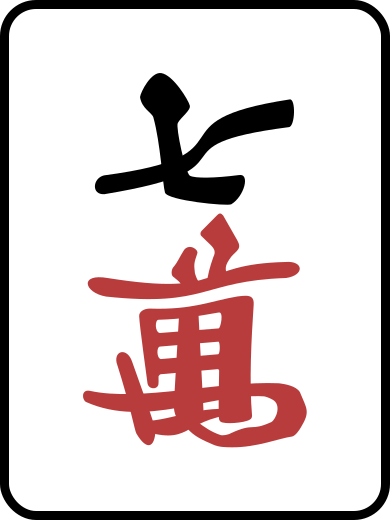
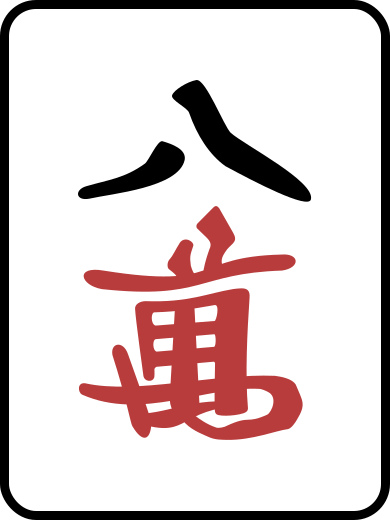
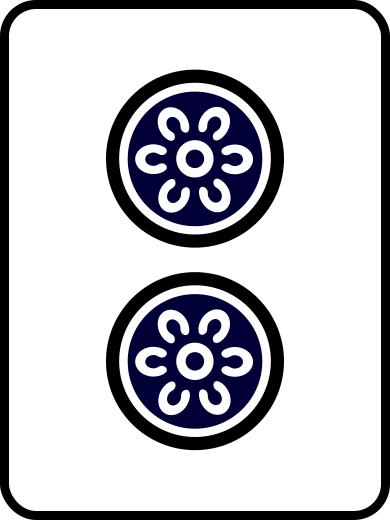
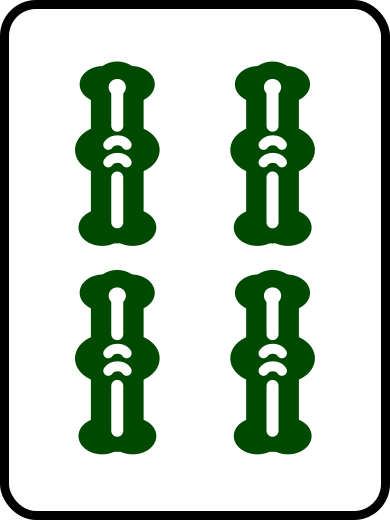
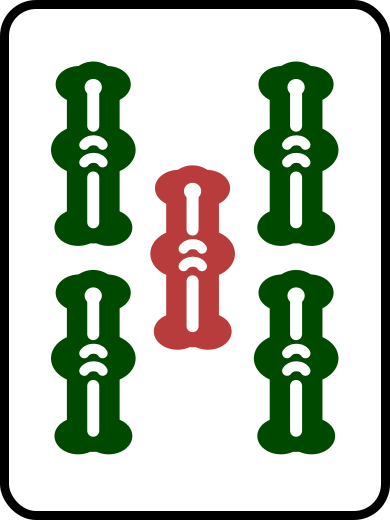
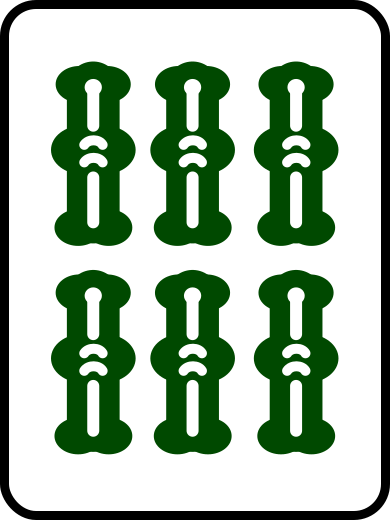
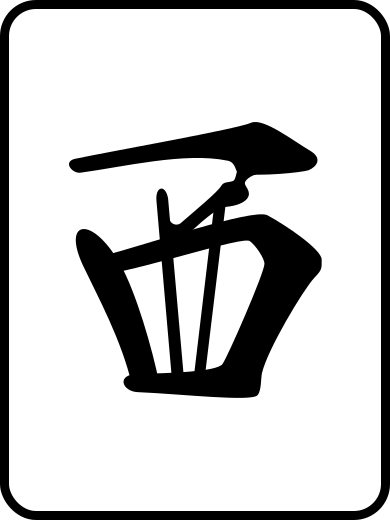
You draw the 6p and cut the West for tenpai on a 5p kanchan. Riichi or not?
Show the answerHide the answer
Riichi
Riichi. already lets the hand ron the 5p quietly, but for 1,300. With riichi the same ron pays 2,600, before ura dora or ippatsu. Staying quiet keeps the hand free to change, yet only 8 tiles, the 3p and the 7p, turn the kanchan two-sided, and every 5p before then wins at half price. Nobody has declared, so there's no riichi to fold against yet.
Later: When to riichi adds a short list of hands to keep quiet (dama), and the shuhari post saves the main ones for Mahjong Soul's Master rank.
Rule 3: call only when the open hand will have a yaku
A or a pon opens your hand, and What is a yaku? showed the cost: riichi, , and are gone, and the hand can win only with a yaku its own tiles make. Name that yaku before you press the button. Two calls pass the test.
- Pon a value honor. You hold a pair of dragons, your seat wind, or the round wind, and someone discards the third. The triplet is , 1 han that survives the call.
- Call into all simples. A chi or a pon where every tile you plan to keep is a 2 to 8 makes open tanyao, which Tenhou and Mahjong Soul allow.
Let everything else go. A call for speed alone can leave you tenpai with no yaku. Once a call has given the hand its yaku, later calls only have to keep it.
East 1, turn 3. You're West, so the South and the North are guest winds. The player across discards the red dragon.
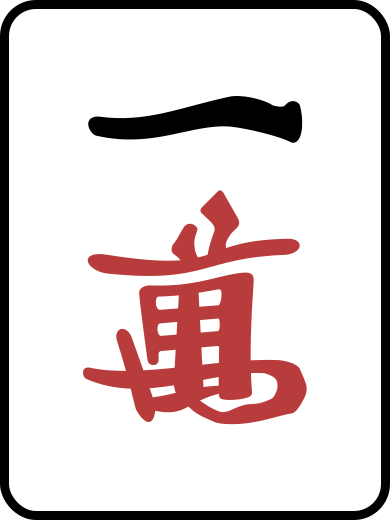
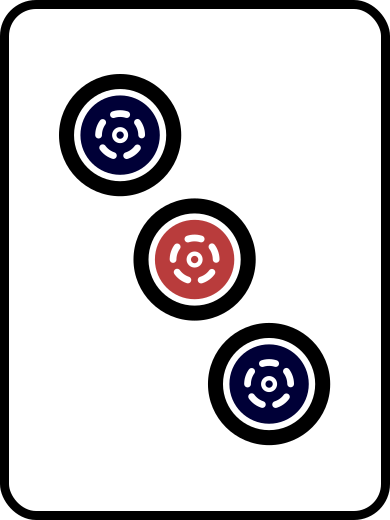
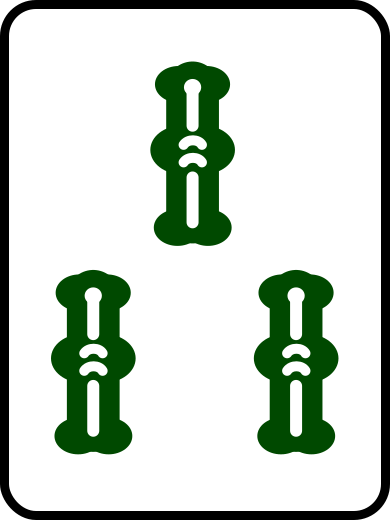
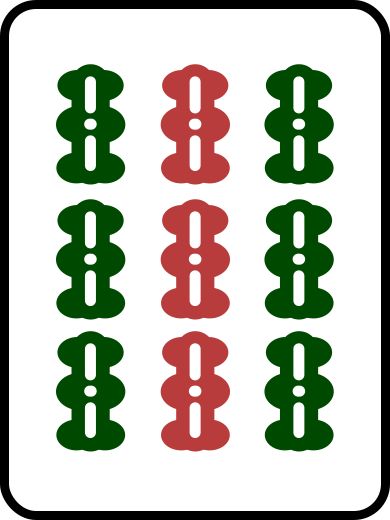
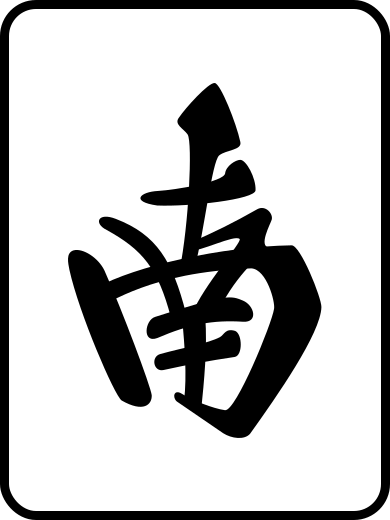
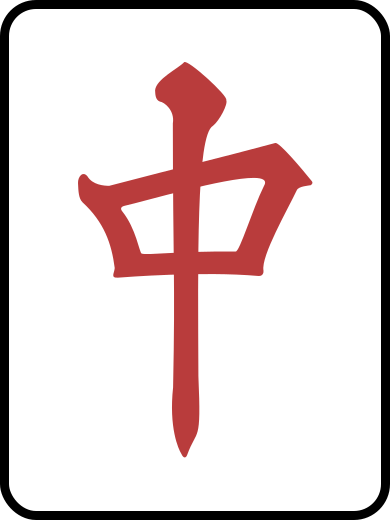
Pon the red dragon, or let it go?
Show the answerHide the answer
Call it
Call it. The triplet is yakuhai, a yaku that survives the call. The pon also turns your pair into a set, so this slow hand goes from three useful draws short of tenpai to two. Let it go and only one is left: the triplet then needs that exact tile, from your draw or a discard, while the only other yaku in sight is a riichi three steps away. After the pon, cut the South or the North.
South 2, turn 6. You're West, so the North is a guest wind. The player on your left discards the 6p.
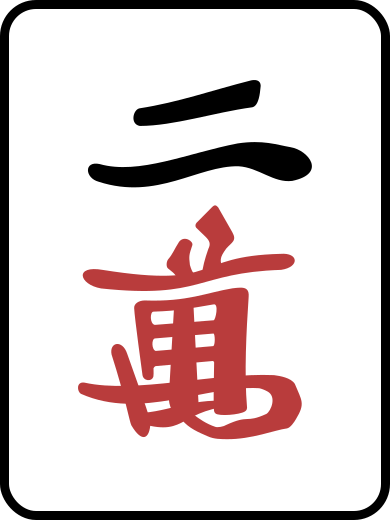
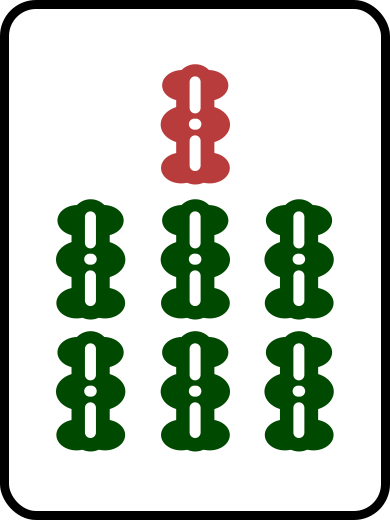
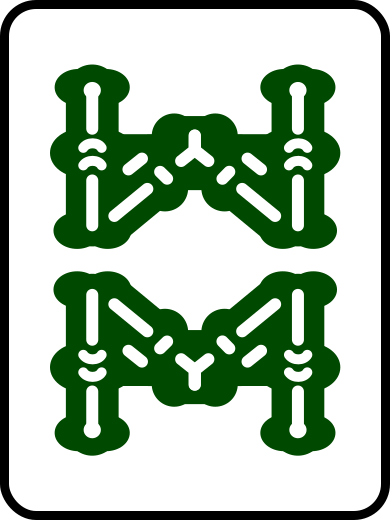
Chi the 6p with your 45p, or let it go?
Show the answerHide the answer
Let it go
Let it go. The chi makes 456p, and after you cut the North you're tenpai on 2s and 5s with no yaku: the 123m and the 9s pair rule out tanyao, and you hold no value tiles. Short of a rare yaku like a win on the last tile, that hand can't win. Closed, you're one tile from tenpai, and 15 tiles take you there: the other three 6p, plus four each of 3p, 2s, and 5s. Every one of them leaves a two-sided wait to riichi, with pinfu on top.
Later: When to call chi and pon weighs speed against cost, Yakuhai and Open tanyao go deeper, and Honitsu and chinitsu adds the open flush.
Rule 4: when someone else riichis, fold with tiles they can't ron
When another player declares riichi and you haven't, stop building, even if you're tenpai. From then on, discard only tiles the riichi player can't ron. Throwing them a winning tile is dealing in, and you'd pay for their whole hand. Playing only those tiles until the hand ends is betaori, the .
Those tiles are (現物), and there are two kinds:
- The riichi player's own discards, the sideways tile included. : a player can never ron a tile in their own discards.
- Tiles that passed after the riichi, from any player, without a ron. A riichi player who lets a winning tile go is furiten for the rest of the hand.
Two limits. A tile another player threw before the riichi isn't genbutsu, because the riichi player's hand could still change after it. And genbutsu is safe against that one player only. When you run out, the suji guide lists the next-safest tiles, and When genbutsu runs out teaches them later.
Folding isn't free. You still pay your share of a tsumo, and you pay at a draw if you're not tenpai. In the site's Houou numbers, a clean fold against a non-dealer's riichi at turn 8 costs a about 1,100 points, and a to that riichi about 5,900. One deal-in costs about five clean folds.
Folding a tenpai will feel wrong. The first exception, a two-sided tenpai against a non-dealer's riichi, comes in Tenpai against a riichi, and the shuhari post saves it for Master rank.
South 1, turn 6. The player across declared riichi with the 3p. Before that they discarded the North, 9s, 1p, and 6m. Then the player on your left discarded the 7s, and nobody called ron.
You draw the 8p, two useful draws short of tenpai. What do you discard?
Tap the tile you would choose.
Show the answerHide the answer
Fold: cut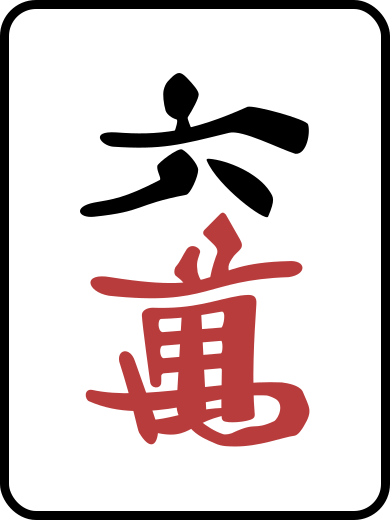
The 6m or the 7s, both 100% safe against this riichi: the 6m is in the riichi player's own discards, and the 7s passed after the riichi. With two 7s you hold three safe tiles: three turns of folding. Building would cut the White, the 2p, or the 8p you drew, and none of them is genbutsu.
Later: How to fold turns this into a full procedure, and Push or fold replaces the blanket fold with a checklist.
Rule 5: name your yaku and check furiten at tenpai
The client won't let you ron without a yaku or while furiten, so neither mistake costs a penalty online. It costs the hand: a tenpai that can't take its own winning tile. Check three things the moment you reach tenpai.
- List your waits, the hidden ones included.
- Name your yaku. A closed hand has riichi. An open hand needs yakuhai, tanyao, or another yaku in its tiles, and the winning tile has to keep it.
- Look at your discards. One winning tile there, even one that gives no yaku, and you're furiten: no ron on any wait, though tsumo still wins. Before you declare, check whether a different cut leaves a wait you haven't discarded. A winning tile you let pass later blocks ron too.
This rule has no replacement. Strong players run the same checks, faster.
Where to play your first 20 games, and what to expect
Where to play online compares the clients. I start new players on Mahjong Soul: it's free and in English. Tenhou's is free too.
On Mahjong Soul, the Novice ranks can't demote you, and a 4th adds no penalty beyond the −15 from How a game works. The rank-up guide works out about 40 games for an average record to clear Novice: free practice.
Expect to fold often and win few hands. Even in Tenhou's top room, the middle half of regulars win about one hand in five (Riichi is a loser's game). Expect some 4ths you didn't earn. Twenty games can't measure you, and Luck or skill? shows how many can. Grade each game by the rules instead.
Each time a rule feels wrong, note the hand in one line: the turn, how close you were, and the rule you wanted to break. Reread those notes when you reach the lesson that replaces the rule.
Sort the loose tiles in your own hands
Type a starting hand from your last game into the hand analyzer. It ranks every discard by how many tiles move the hand closer to tenpai. Put the loose tiles in rule 1's order first, then find each one in the table. Where a value honor ranks above a loose 1 or 9, keep the honor: the count can't see the pon.
Open the hand analyzer