
Your has reached , and the tile in your fingers can go down sideways or flat. Most of the time it should go down sideways: declare on this turn, even on a bad wait. The times to stay quiet fit on one short list, and you can check each one at the table.
A quick reminder from the tenpai and furiten lesson: riichi needs a closed tenpai, 1,000 points for the stick, and at least four tiles left in the wall. The riichi page has every rule. A closed tenpai you don't declare is dama (, a silent tenpai).
What riichi buys and what it costs
Riichi buys you four things.
- A yaku. A winning hand needs at least one yaku (What is a yaku?), and riichi gives one to any closed tenpai, whatever its shape.
- A . Below , each han roughly doubles the payment. A plain closed hand on a (middle wait) pays 1,300 by . With riichi it pays 2,600.
- Ura and . A riichi winner also counts the ura dora, read from the tiles under the dora indicators. A win within one go-around of the declaration, with no call in between, adds a han for ippatsu.
- Pressure. Opponents who aren't close to tenpai fold against a riichi. A folding hand isn't racing yours anymore.
It costs you four things too.
- 1,000 points. The stick comes back when you win. Another player's win takes it, and a drawn hand leaves it on the table for the next winner.
- A locked hand. You can't change the wait or add value. Every tile you draw that doesn't win goes straight to your discards.
- Your defense. If another player declares after you, you can't fold.
- Information. Everyone knows you're tenpai, and careful players hold the tiles that look dangerous to you.
In most hands the trade favors riichi. The costs bite when the hand is already big or the wall is nearly empty, which is where most exceptions live.
The default: riichi now, bad wait or not
When your closed hand reaches tenpai and nobody has declared yet, riichi on that discard. Chasing someone else's riichi waits for Tenpai against a riichi.
Bad waits too. A kanchan, a (edge wait), and a (single wait) are one-sided waits, on one tile kind each, and they still win plenty of riichi hands. In the site's riichi wait win rate data, from Tenhou's top room (), a riichi declared at turn 8 wins 52% to 57% on a (two-sided wait), 41% on a one-sided wait for a 2 or 8, and 33% on a one-sided wait for a 5. Turns count from zero there and in the rest of this lesson: turn 8 is your ninth discard. The bad wait wins less often, and riichi doubles what those wins collect. The wait win rate tool looks up any wait. Older advice said to keep a cheap hand on a bad wait quiet. Retire it.
Right away. The same data shows a two-sided riichi declared one turn after tenpai wins 3 to 4 percentage points less. Waiting for a draw that improves the hand leaks the same way.
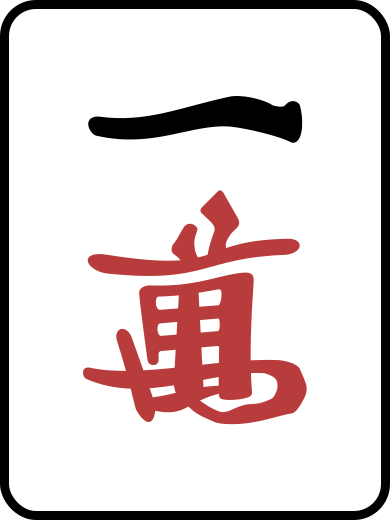
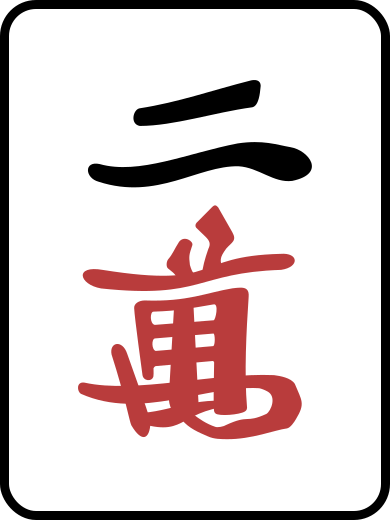
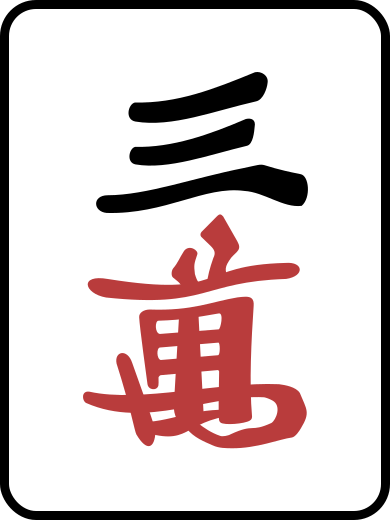
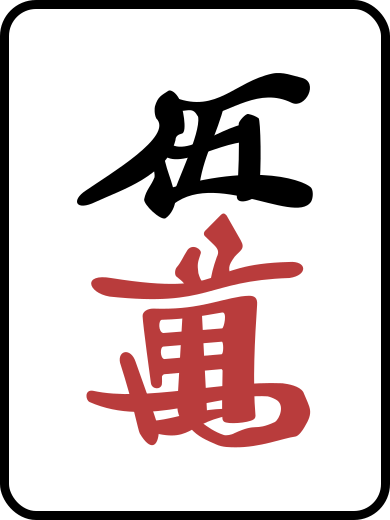
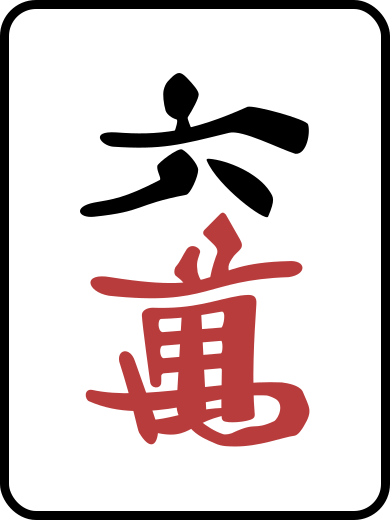
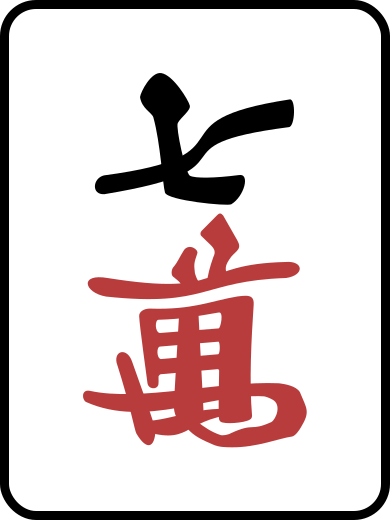
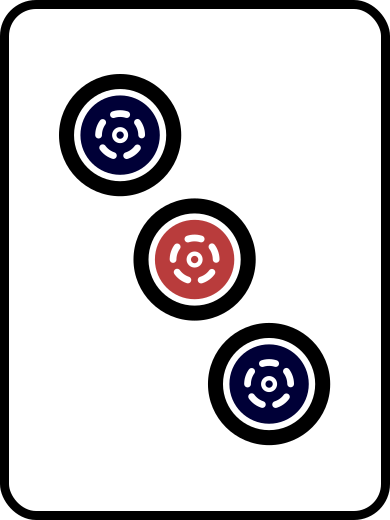
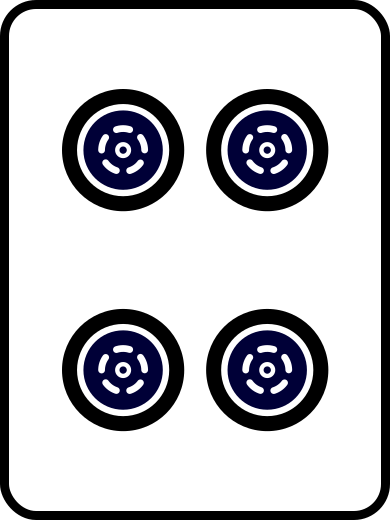
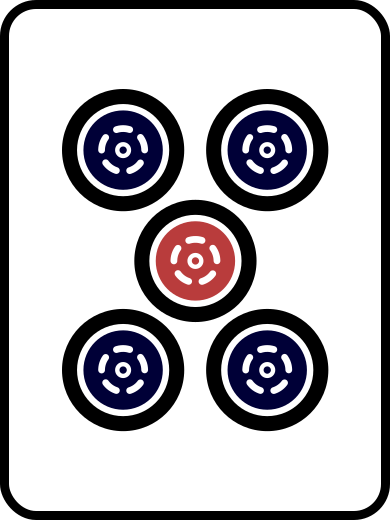
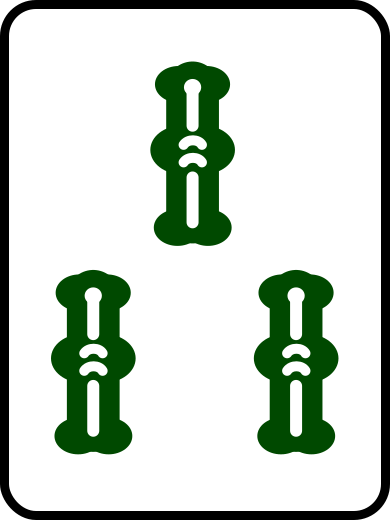
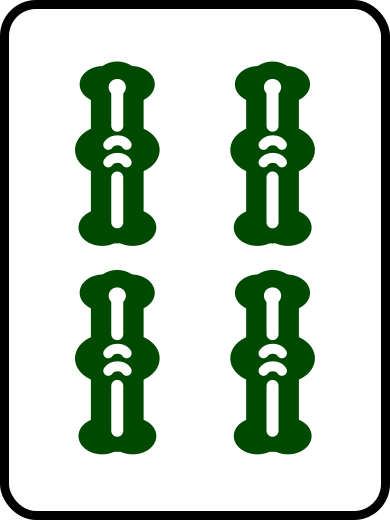
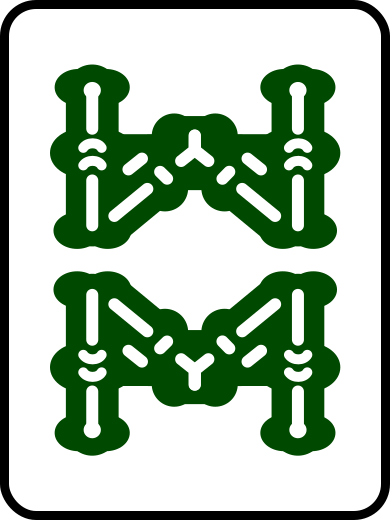
This hand wins on 2s and 5s: 8 tiles, none visible. Six tiles would improve it: a 4m adds tanyao once you cut the 1m, and a red 5m or red 5p adds a dora. Only your own draw brings those six, while any player's 2s or 5s wins. Dama, that win pays 1,000. Riichi now and it pays 2,000, before ura dora or ippatsu.
The same default as dealer
Nothing changes when you deal, except the payoff. The dealer collects 1.5 times what a does (the scoring lesson), while the stick still costs 1,000. A riichi-only ron on a kanchan pays the dealer 2,000 against 1,300.
The dealer's riichi wins about as often: 56.8% against 55.8% for a non-dealer, on a 1-4 wait at turn 8 in the same data. The edge is the payment, plus the next hand: a dealer who wins keeps the deal (How a game works). The list below quotes non-dealer prices.
Dama needs a yaku
Without riichi, a closed hand needs a yaku of its own to win by ron. With none, dama wins only by tsumo, through (the yaku for a closed self-draw).
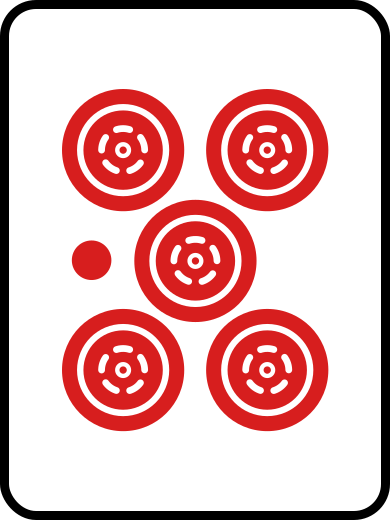

Say the dora is the . This hand holds three dora: two 7p and the red five. It has . The 1m, 9p, and 1s rule out tanyao, and the kanchan on 2s rules out pinfu. Stay quiet and a discarded 2s is a tile you can't take. Declare and the same 2s pays a mangan, 8,000: riichi plus three dora is 4 han 40 fu.
East 1, turn 5. Nobody has declared. You're not the dealer.Dora
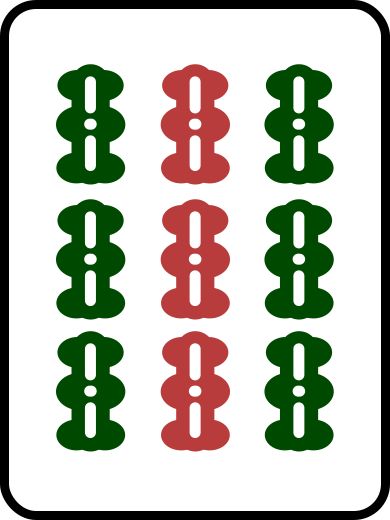
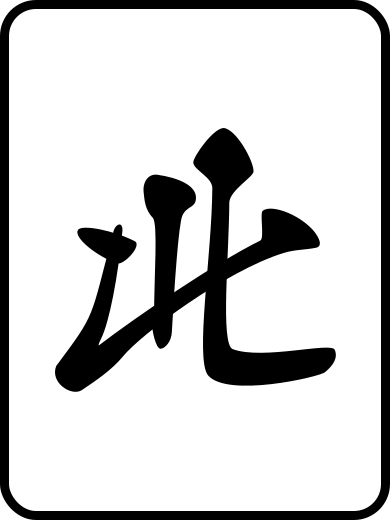
You draw the 9p and cut the North for tenpai on a 3s kanchan. Riichi or stay dama?
Show the answerHide the answer
Riichi
Riichi. Without the declaration this hand has no yaku: its terminals rule out tanyao, and the kanchan rules out pinfu. Dama can't take a discarded 3s. With riichi, any 3s pays at least 1,300 (1 han 40 fu), plus whatever ura dora or ippatsu add. At turn 5 the bad wait has time to come in.
So the dama question only comes up when the hand already has a yaku, like tanyao, pinfu, , or .
The short list of times to stay quiet
Here's my list:
- A mangan, from turn 12 on. The hand pays a mangan (8,000) without riichi and waits on number tiles. Earlier, riichi a two-sided wait; a bad wait can stay quiet at any turn.
- A 6,400, from turn 9 on. Same idea, a smaller hand, an earlier switch. A two-sided 3,900 or 5,200 is a riichi at any turn before the last few.
- A win that already settles your placement. Late in a game, when a quiet win lifts you past the player above, riichi's extra points change nothing. Stay quiet: a silent hand wins more easily and can still fold. Later in the course, Play for placement and All Last decisions show how to tell.
- A seven-pairs wait on a terminal or honor dora. Riichi tells everyone to hold that dora. Seven pairs or toitoi showed what that costs.
A dama or bigger stays quiet too: 6 and 7 han both pay a haneman, and a can't go higher. Treat a 7,700 (4 han 30 fu) like a mangan: riichi adds only 300 to its ron, but a riichi tsumo or one ura dora makes it a haneman.
From your third row of discards (turn 12 on), a wait with one copy left or none stays quiet too: riichi would stake 1,000 and your fold on a long shot (When to refuse tenpai).
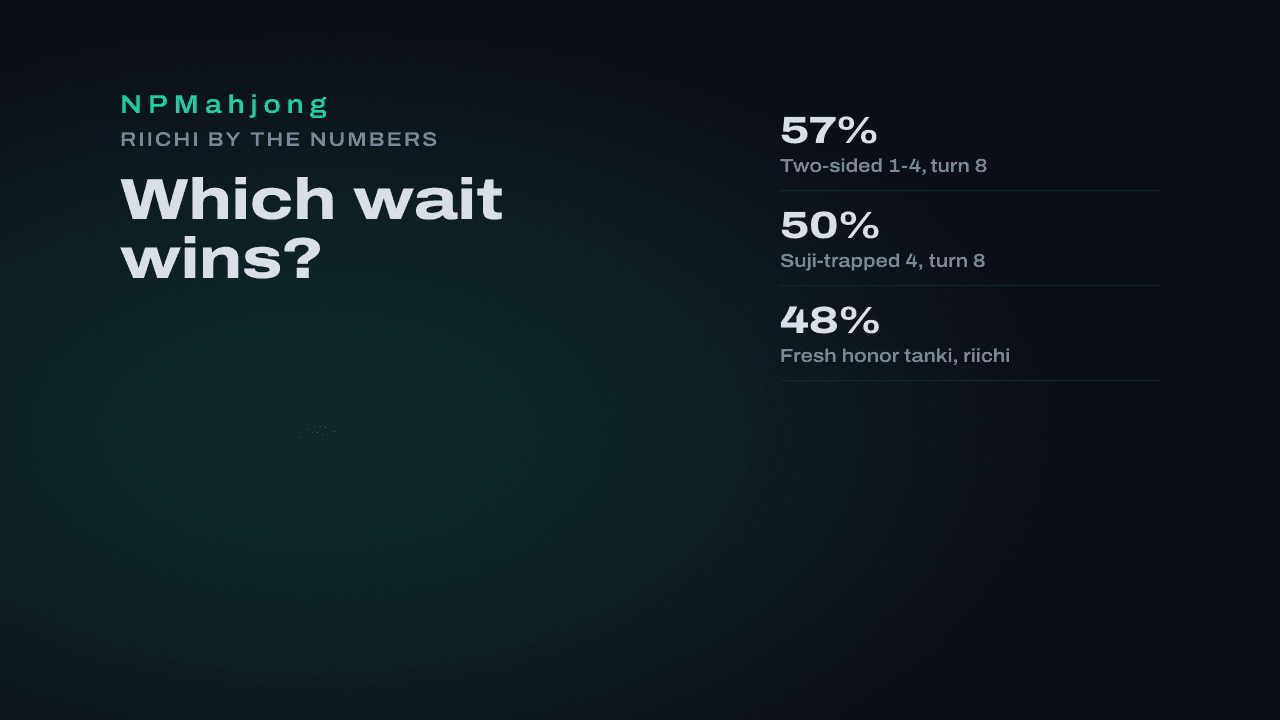
Why the turn matters for the first two: the data post makes a rough comparison of the same waits with and without riichi, in hands holding several dora. At turn 8, a two-sided wait on 1 and 4 wins 57% with riichi and 67% as dama. Early, riichi's han, ura dora, and ippatsu are worth more than those 10 points. But that value pays only on a win, and wins thin out: the same riichi wins 35% at turn 14. The costs don't shrink. A bad wait thins out sooner: at turn 8 the one-sided waits above win 33% to 41%, like a two-sided riichi between turns 11 and 14.
The shuhari post saves items 1 and 2 for Mahjong Soul's Master rank. Below it, riichi them anyway, as in your first ranked games: the usual leak runs the other way, dama on a hand that isn't on the list, like a 2,000-point tenpai with one dora. The rest of the list holds at any rank: riichi there gains little or costs the win. If you're not sure a hand is on the list, riichi.
Practice
Each problem gives the turn, the yaku, and the dora. Count the value where it isn't given. You're not the dealer in any of them. Below Master, treat the answers that rest on items 1 and 2 as the play to grow into.
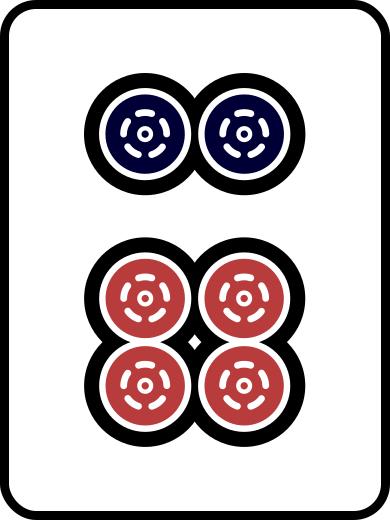
East 3, turn 8. Nobody has declared. Tanyao, pinfu, and the red five: 3,900 without riichi.Dora
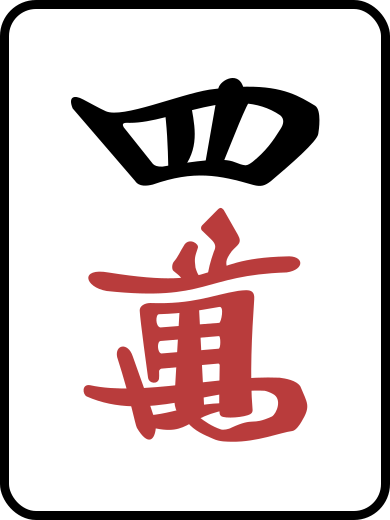
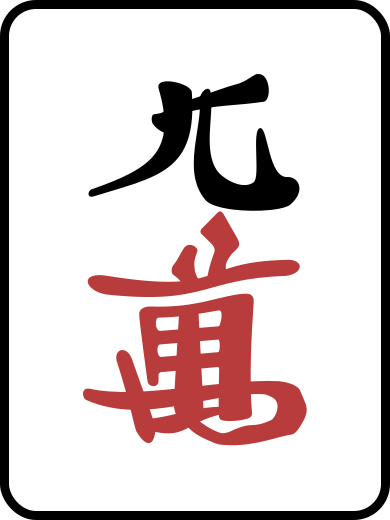
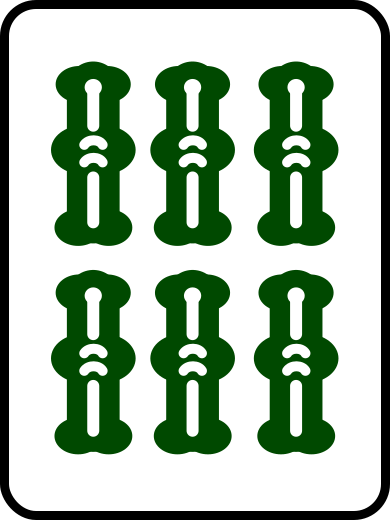
You draw the 7s and cut the 9m. Riichi or stay dama?
Show the answerHide the answer
Riichi
Riichi. A two-sided 3,900 is a riichi at any turn before the last few. The extra han takes 3 han 30 fu to 4 han 30 fu, so a win goes from 3,900 to 7,700 before ura dora or ippatsu. Dama's edge in the site's rough data is about 10 points of win rate, and it gives up half of what each win pays.
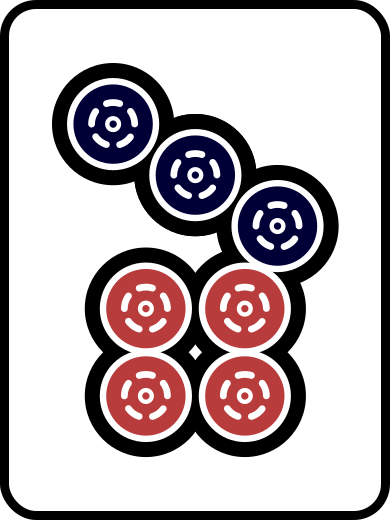
South 2, turn 14. Nobody has declared. Tanyao, pinfu, the red five, and two dora.Dora 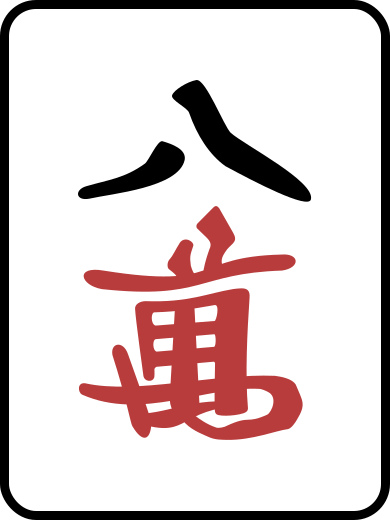
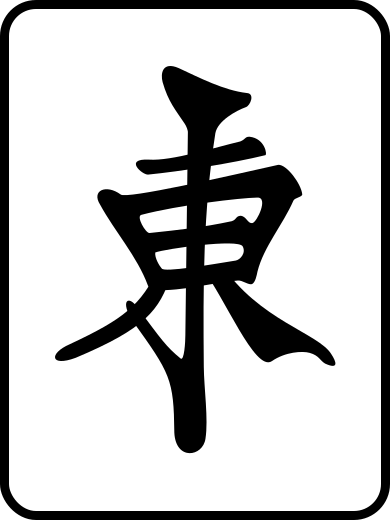
You draw the 7p and cut the East. Riichi or stay dama?
Show the answerHide the answer
Stay dama
Stay dama. Tanyao, pinfu, the red five, and the two dora in your 8m pair make 5 han: a two-sided mangan, which stays quiet from turn 12 on. Riichi would lift it to a haneman, 12,000, but a two-sided riichi at turn 14 wins only 30% to 35% in the site's data. Dama wins more often, keeps your stick if the hand draws, and can still fold.
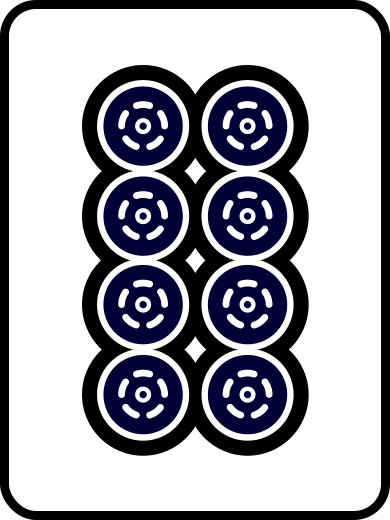
South 1, turn 11. Nobody has declared. Red dragon triplet and two dora: 6,400 without riichi.Dora
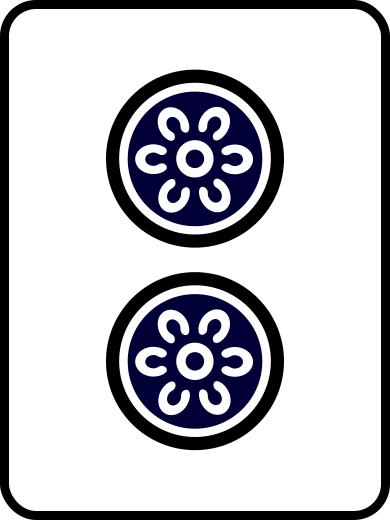
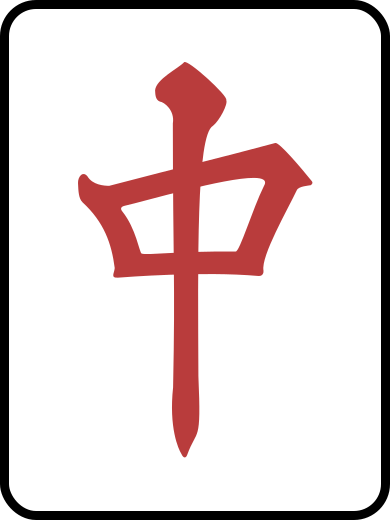
You draw the 3p and cut the 1s. Riichi or stay dama?
Show the answerHide the answer
Stay dama
Stay dama. A closed ron starts at 30 fu, and the closed 1m and triplets add 8 each: 46, rounded up to 50 (how fu add up). The red dragon and the two dora in your 8p pair make 3 han: 6,400. A two-sided 6,400 stays quiet from turn 9, and this is turn 11. Riichi would add only 1,600, making it a mangan, and late in the hand that gain no longer covers the wins dama adds.
East 2, turn 6. Nobody has declared. Tanyao, pinfu, sanshoku, and one dora.Dora
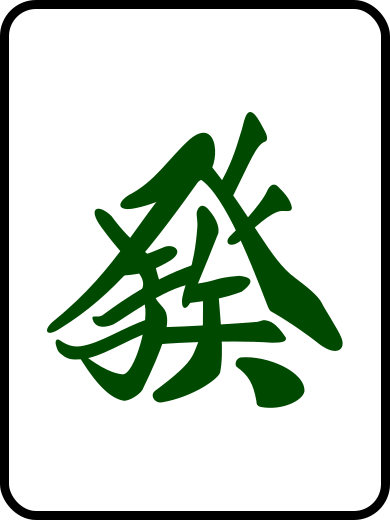
You draw the 7p and cut the green dragon. Riichi or stay dama?
Show the answerHide the answer
Riichi
Riichi. Tanyao, pinfu, , and the dora make 5 han, a mangan, and a two-sided dama mangan becomes an exception only from turn 12 on. Riichi takes it to 6 han, a haneman: 12,000 instead of 8,000, before ura dora or ippatsu. Dama buys roughly 10 points of win rate. With most of the hand still ahead, half again as much on every riichi win is the better trade.
Look up your wait
Pick a wait shape and the copies you can see, and the tool shows how often that riichi won in Tenhou Houou games. Try it on the bad waits you were tempted to keep quiet.
Open the wait win rate tool