
Some deals hand you pairs instead of runs. With four or five pairs you have three ways to play: , , or a normal hand that breaks a pair. The pairs tell you which, once you ask who else wants those tiles.
Two yaku built from pairs
Seven pairs (chiitoitsu) is seven different pairs in a . It's 2 and always 25 fu, so a non-dealer's pays 1,600, and lifts it to 3,200. Three or four copies of one tile still count as one pair. A call breaks it, so every pair before the last comes from your own draws.
Seven pairs also loves : any single dora can become a pair worth 2 han. Riichi, seven pairs, and a dora pair make 5 han, a (8,000).
Toitoi (all triplets) is four triplets and a pair. It's 2 han, open or closed, so unlike a flush it loses nothing when you the third copy from any player. The price is riichi: an open hand can't declare, and an open toitoi that falls short has unless something else carries it, usually a value-tile triplet.
Both end on a bad wait: seven pairs on a (single wait), toitoi on a (pair wait) or a tanki.
Five pairs: count the pairs you could pon
The shanten lesson counted seven pairs as 6 minus your pairs, so five pairs is 1-shanten. That sounds close, but needs one of your three singles to pair up. That's 9 tiles, and only your own draws can bring them. Then the single wait needs one of 3 more.
Toitoi starts further back. Count it by the tiles it still needs, minus one. Five pairs and no triplet need four third copies, so toitoi is 3-shanten, and your first pon takes it to 2-shanten. But toitoi moves on three players' discards as well as your draw, while seven pairs moves on your draw alone. So toitoi is as fast as your pairs are easy to pon.
- Easy: honors, then 1s and 9s. Honors never fit into runs and terminals fit into few, so other players throw them early. A dragon, your , or the is better still: its pon is yakuhai (), a yaku of its own.
- Middling: 2s and 8s.
- Hard: 3s to 7s. Nearly every hand uses them, so they stay put.
- Impossible (a dead pair): a pair whose other two copies are already visible. It can be your head, never a triplet.
Two five-pair hands, two routes
It's the East round and you sit South, so the West and North are guest winds.
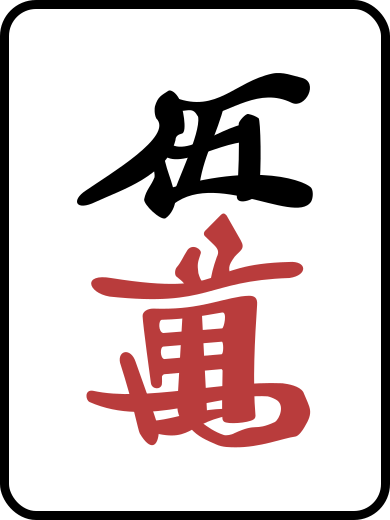
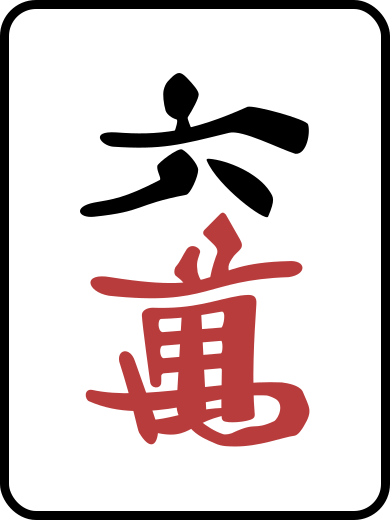

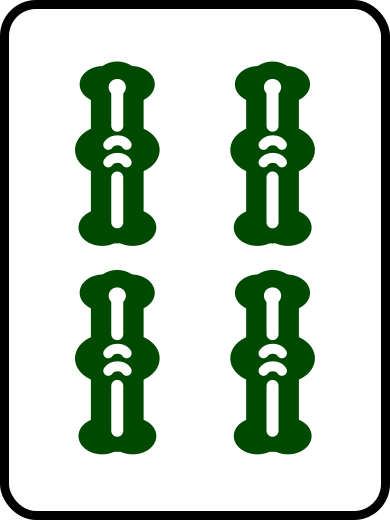
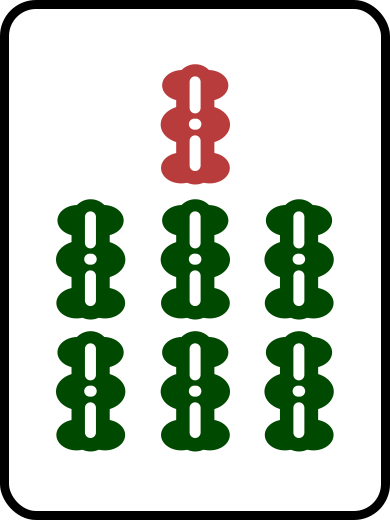
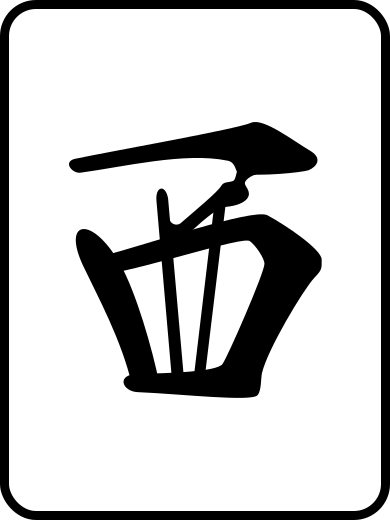
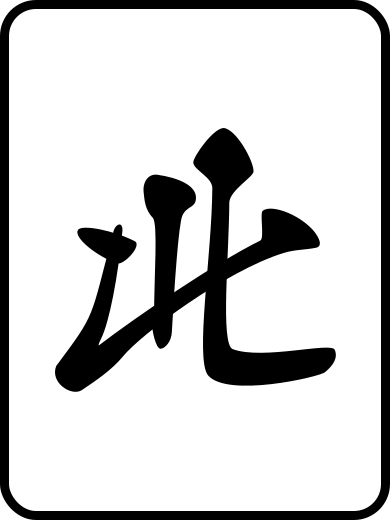
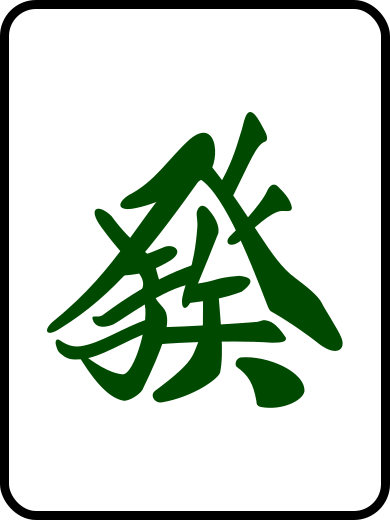
The 1p, West, North, and are easy pons, and the Green is a value tile. Pon the first Green you see. If the 1p and West follow, you wait on the 6m or the North:
That's toitoi plus the Green triplet, 3 han, and the honor and terminal triplets carry the fu to 40. A ron pays 5,200. A riichi seven pairs from the same deal pays 3,200.
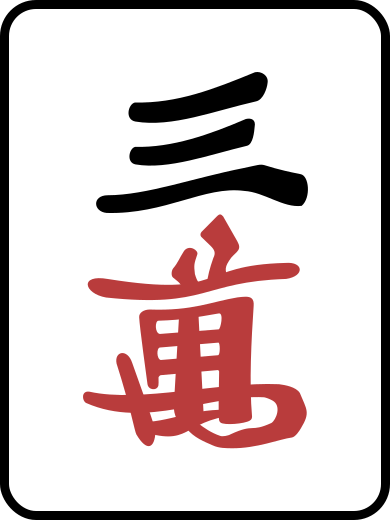
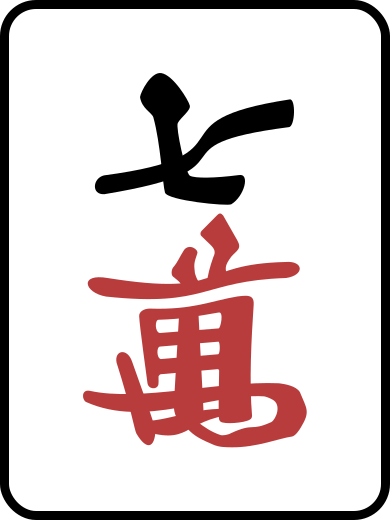
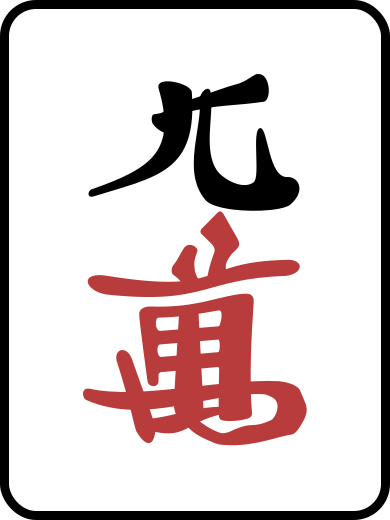
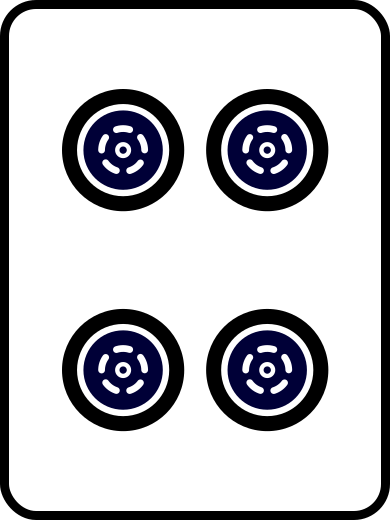
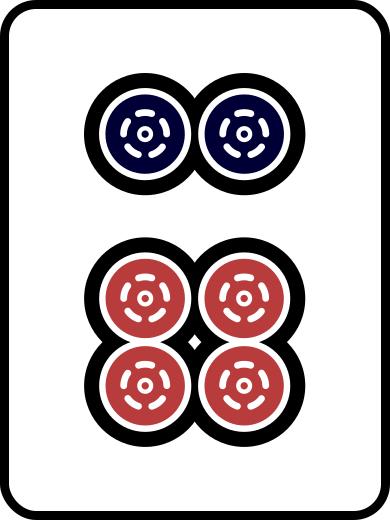

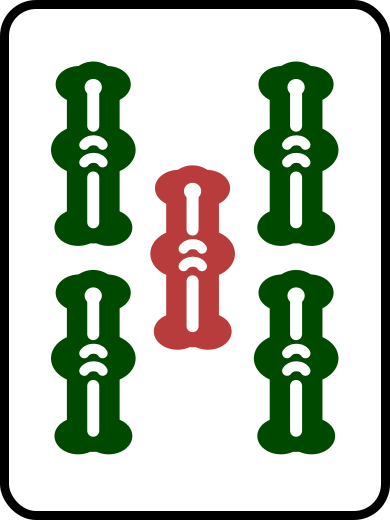
This one has no easy pon. The 3m, 7m, 4p, 6p, and 5s are tiles every other hand wants, so a toitoi here waits for discards that rarely come, and it gives up riichi. Play seven pairs and declare at tenpai. The 9m, 1s, and North singles are the waits you'll want.
My rule of thumb: count your easy pons, since toitoi tenpai takes three triplets. With three or more, and a value tile among them, start calling for toitoi in the first turns. With two or fewer, or a dead pair, stay closed for seven pairs. A dead pair means every other pair must become a triplet. With four pairs and no triplet, toitoi needs five tiles: 4-shanten, too slow on its own.
East 1, turn 3. You sit North, so the East is the round wind and the South and West are guest winds.Dora
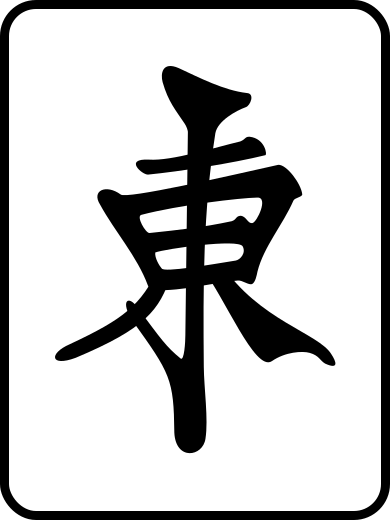
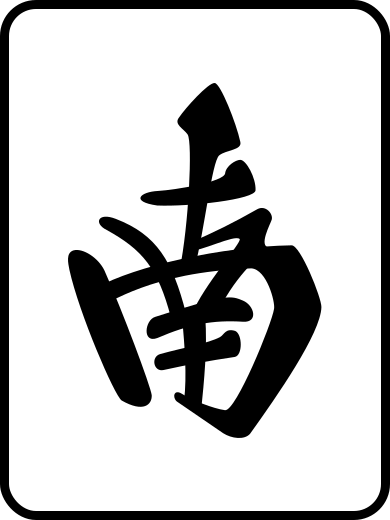
Another player discards the West. Pon or pass?
Show the answerHide the answer
Pon
Pon. Four of your five pairs are tiles other players throw early: the 1s, the South, the West, and the East. Passing keeps seven pairs at 1-shanten, but its 9 tiles (6m, 8p, and 5s) come only from your own draw: one look per go-around. After the pon, toitoi is 2-shanten on 8 tiles (4p, 1s, East, and South) with four looks per go-around: three discards and your draw. Called all the way with the East as your pair, it pays 2,600, less than a riichi seven pairs' 3,200, but it usually reaches tenpai first, and an East pon makes it 5,200. With pairs of 3s to 7s, pass.
When a pair becomes a triplet
A third copy adds nothing to seven pairs, but it is a finished triplet, so toitoi is already 2-shanten before you call anything. Your pon count decides what to cut. With easy pons beside it, keep the triplet and cut a single: seven pairs stays 1-shanten on 6 tiles instead of 9, and two pons now make toitoi tenpai instead of three. With middle pairs beside it, those pons won't come, so cut the third copy and keep all 9.
East 2, turn 4. None of your pair tiles have been discarded.Dora 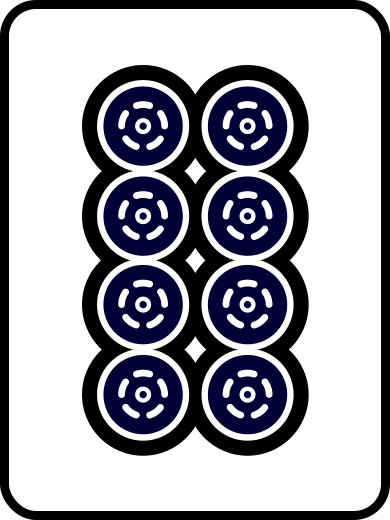
What do you discard?
Tap the tile you would cut.
Show the answerHide the answer
Cut 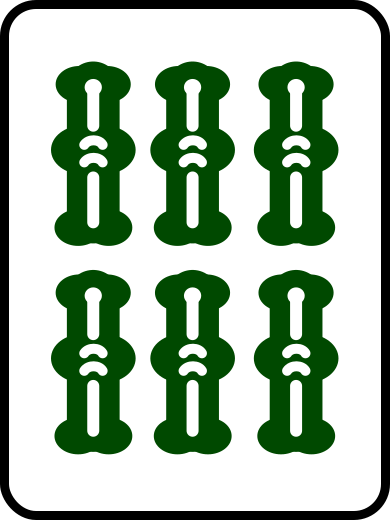
Cut a 6s. The third 6s does nothing for seven pairs. Cut it and the 9m, the 1s, and the South each make tenpai: 9 tiles. Keep the triplet and cut a single, and you keep 6. The triplet helps only the slower routes, toitoi and the normal hand, both 2-shanten, and the pairs beside it (3m, 6m, 4p, and 7p) are middle tiles that rarely get discarded.
A normal hand can still be best
Four or five pairs don't commit you to a pair hand. Count both routes: the four-sets-and-a-pair count and 6 minus your pairs. Play whichever count is lower. When it's the normal hand, your pairs become a head and partial sets, as in the pairs lesson. At a tie, keep both and cut the tile that does the least for either. The hand analyzer shows both counts, labeled Four sets and a pair and Seven pairs.
Here both routes are 1-shanten after you draw the 4s.
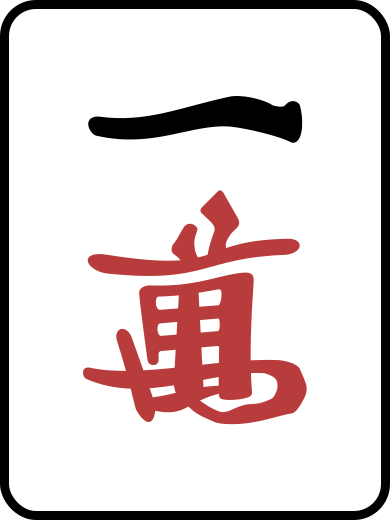
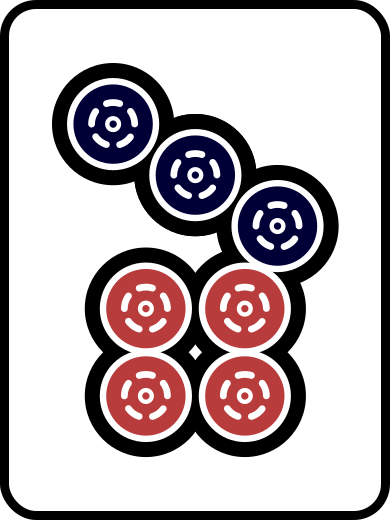
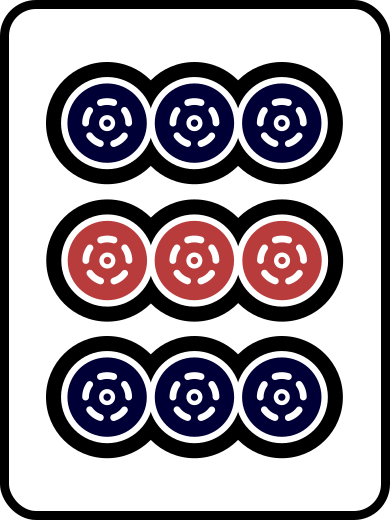
Cut the 6m. The normal hand keeps the same 11 tiles whether you cut the 6m or the 8p. A 1s or a 4s completes the for a pair wait, and a 1m or a North makes a triplet for a . Of the two cuts, only the 6m keeps five pairs (11m, 88p, 22s, 33s, and North), so seven pairs adds the 7p and the 9p. That's 17 tiles in all, and whichever route moves first decides the hand.
East 3, turn 5.Dora
What do you discard?
Tap the tile you would cut.
Show the answerHide the answer
Cut
Cut the 4p. Four pairs leave seven pairs at 2-shanten, but the normal hand is 1-shanten: the 567m and the 345p are sets, and the extra 4p is the one tile with no job. Cut it and the hand takes 14 tiles: the 4s fills the , the 6s fills the , and the 4m, 3s, and 7s turn a pair into a triplet. Cut the 5s to keep all four pairs and you're left with 6.
Pick a seven-pairs wait that gets thrown
Every seven-pairs tenpai is a single wait on 3 tiles at most, so the count rarely separates your choices. Where the tile comes from does.
| Your single wait | Wins |
|---|---|
| A 1 or 9 after you cut the 4 or 6 ( trap) | 57% |
| An honor with one copy discarded | 55% |
| An honor nobody has discarded (fresh) | 48% |
| A 1 or 9 | 47% |
| The last copy of an honor | 44% |
| A 2 or 8 | 41% |
| A 5 | 33% |
The riichi wait win rates post sorts every one-sided wait (, , or tanki) by the tile it waits on, so the rows hold for a seven-pairs tanki. Even the last copy of an honor beats a 5.
You build the wait at 1-shanten. Each draw that doesn't pair leaves you four singles, and with no copies visible, any three of them pair with the same 9 tiles. So pick the cut by tile, not by count: keep the honors and terminals, and let the middle tiles go first.
A suji trap makes a number wait look safe. Suji are tiles three apart (1-4-7, 2-5-8, and 3-6-9), as in What to discard first. Cut the 6p early and keep a single 9p. A waiting on the 9p would also wait on that 6p, and the 6p in your discards would make the whole wait furiten. Your tanki waits on the 9p alone, so it isn't . Anyone folding reads the 9p as close to safe, and the table shows the gain: 57% against 47%. More in the suji guide and, later in the course, Suji and kabe.
South 1, turn 6. You cut a 6s on turn 2. No 9s or North has been discarded.Dora
The 5p makes your sixth pair. Which tile do you cut for tenpai?
Tap the tile you would choose.
Show the answerHide the answer
Cut the North
Cut the North and wait on the 9s. Both waits hold 3 tiles, so the count can't decide. Your 6s from turn 2 shares a suji with the 9s, so anyone folding against your riichi reads the 9s as close to safe. In the site's data, a 1 or 9 behind a suji trap wins 57% at turn 8, and a fresh honor 48%. Then riichi.
Riichi it, unless the wait is dora
Once you're in tenpai, riichi. In the site's rough riichi-or-dama comparison, a fresh honor tanki at turn 8 wins 48% with riichi and 40% without, likely because folding players throw honors as safe tiles. Riichi a single wait on a fresh honor at turn 8 or earlier, every time.
The one seven-pairs wait to keep quiet (dama) is a terminal or honor that is dora. Riichi tells everyone to hold it. Stay quiet and an opponent who can't use it lets it go. The quiet win still pays a 6,400: seven pairs plus the dora pair is 4 han at 25 fu. With riichi, a fresh honor tanki on the dora wins only 28% at turn 8. When to riichi lists the other times to stay quiet.
Count both routes
Type a pair-heavy hand into the hand analyzer. It shows the four-sets-and-a-pair count next to the seven pairs count, then ranks every discard by the tiles it takes. Check that your pairs are the fastest route before you commit to them.
Open the hand analyzer