
You reach , and the hand still bothers you. The wait is a (middle wait), or three of its four tiles already sit in the rivers, or one more draw would make the hand worth two or three times as much. Breaking the tenpai feels careful. Most of the time it hands the table a free turn, and the few spots where it pays each come with a gain you can count in tiles or .
Two earlier ideas do the work here: , the useful draws you still need before tenpai (Shanten), and tile acceptance, the copies left of every tile that moves you forward. The hand analyzer counts both.
Take the tenpai unless you can name the gain
A tenpai hand can win on the next tile anyone throws. A closed 1-shanten moves only on your own draws. Each time around the table you draw one tile and see three discards, so breaking a tenpai trades four chances a turn to win for a turn to get back.
That step costs time, and time costs wins. In the site's riichi wait win rate data, from Tenhou's top room (), each turn of delay costs a two-sided 3 to 4 percentage points of win rate.
So the default from When to riichi holds: take the tenpai and declare, bad wait or not. Refusing a tenpai (tenpai torazu, テンパイ取らず) has to buy one of two things you can put in numbers:
- Tiles. A wait with almost nothing left, swapped for a shape that takes many.
- Han. A hand that the next draw makes much bigger, through a wide 1-shanten.
Early in the hand, don't split the difference by holding a yakuless tenpai quietly: it can't win off a discard, only by , the yaku for a closed self-draw. Declare it or break it.
A wait with almost nothing left
Count your wait before you declare, the way Choosing your wait did: four copies of each winning tile, minus yours and every copy in sight. A kanchan or (edge wait) starts at four tiles, and every copy that shows up costs it. In the Houou data behind the wait win rate tool, a riichi on a one-sided wait for a 7 wins 43% of the time with all four copies unseen, 27% with two left, and 17% with one.
At zero the hand can't win. When the missing copies sit in rivers and calls rather than your own hand, it still counts as tenpai if the wall runs out (karaten), which matters in the last turns and nowhere else.
So early in the hand, a wait with one copy left or none is the clearest reason to go back. Break it for a 1-shanten that takes many tiles, and the tenpai you rebuild will usually wait on more. The second practice problem below is one.
A big jump in value, on wide acceptance
Turn 4 (your fifth discard), nobody has declared, and you draw the 1p.
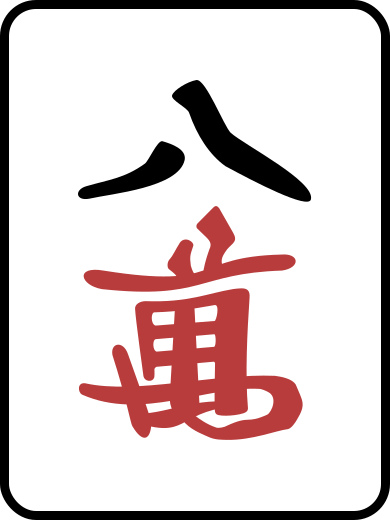
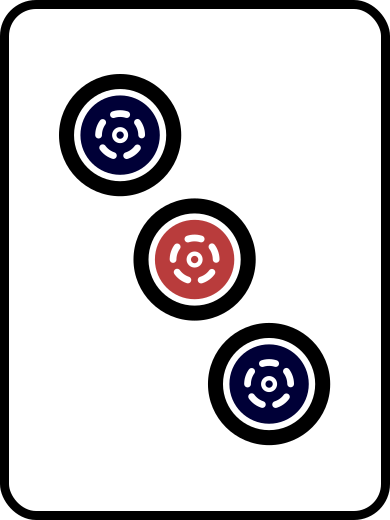
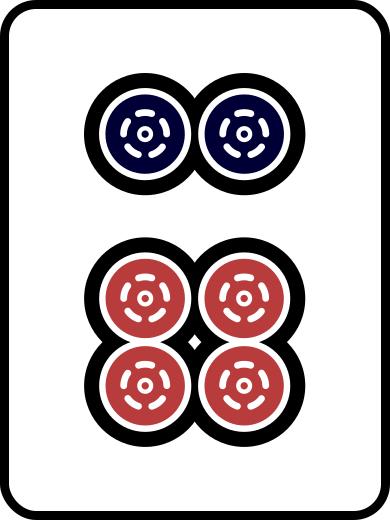
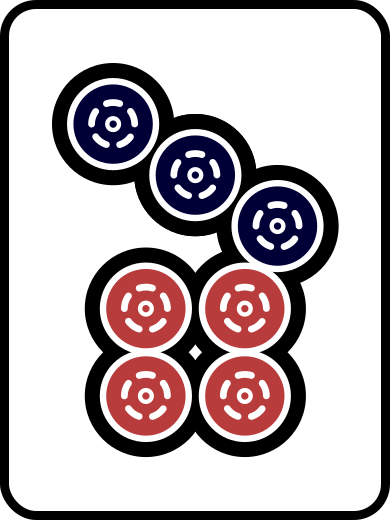
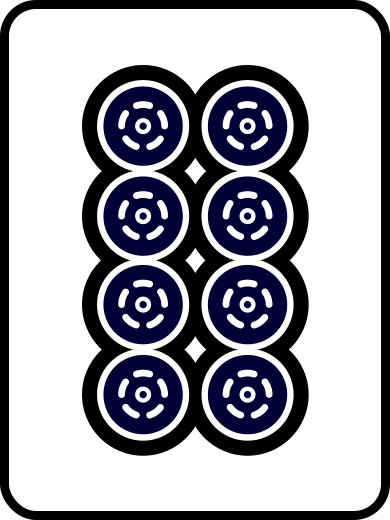
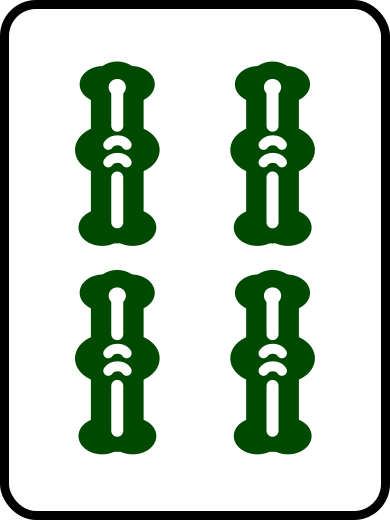
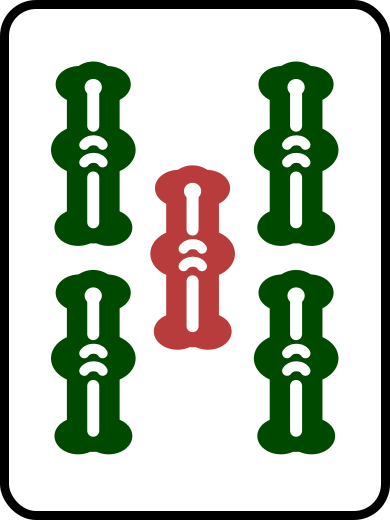
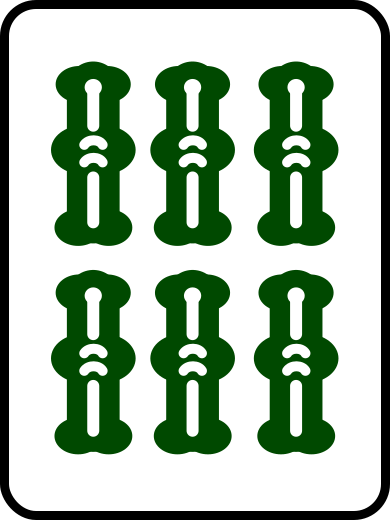
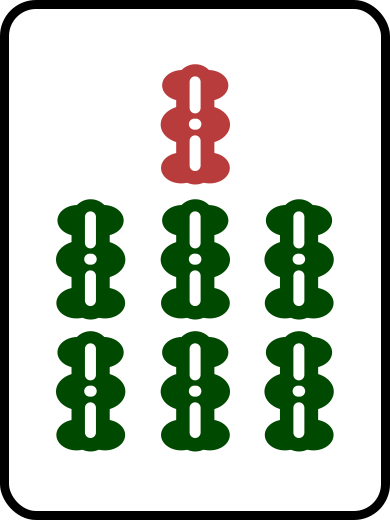
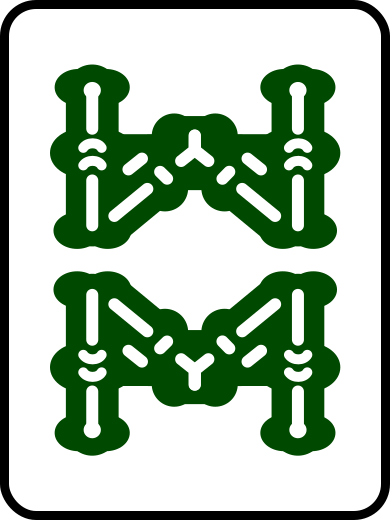

Cut the 4s or the 7s and you're tenpai on the 2p kanchan. The 1p rules out and the kanchan rules out , so the hand is riichi and nothing else: 1,300 by (1 han 40 fu). Throw the 1p back instead and you stay 1-shanten on 45 tiles. Of those, 26 reach a good-shape wait, one on two or more kinds with five or more copies left (1-shanten). All but the 1p and 9s draws keep tanyao alive. Riichi, tanyao, and pinfu on a pay 3,900, or 2,000 when the win lands on a 1 or a 9. Riichi and tanyao on a bad wait pay 2,600.
Going back costs about two draws, since 45 of roughly 100 unseen tiles move you forward. And the 1p now sits in your river, so the four 2p leave a 1p-4p wait that is furiten. That leaves 22 draws to a good-shape wait you can ron on, most of the wall to come, and two to three times the 1,300 on most routes. Throw the 1p back. The hand analyzer lists both cuts.
The same count works when the jump is a flush, , or : count the draws that bring the yaku, then price the hand with and without it, the way Speed or value does. One han on a minority of your draws doesn't pay for a step, as the first practice problem shows.
Going back from 1-shanten
The idea works one step earlier too. Shanten modoshi (シャンテン戻し, going back a step) breaks a weak 1-shanten for a strong 2-shanten. Turn 3, you draw the 3p.
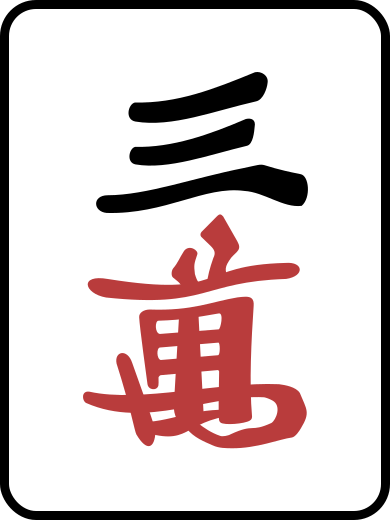
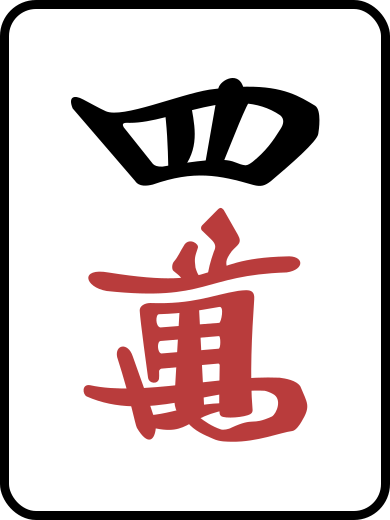
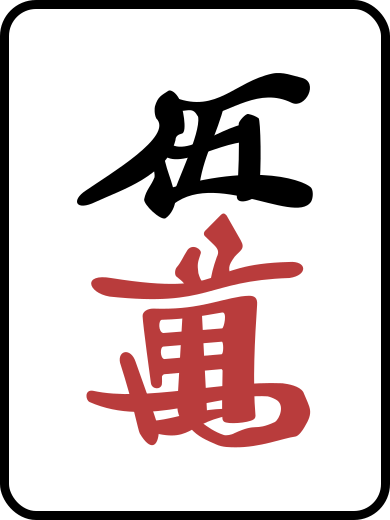
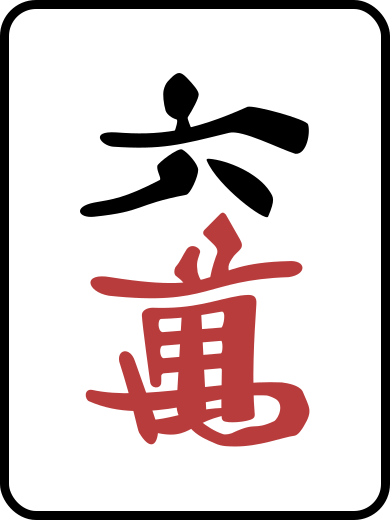
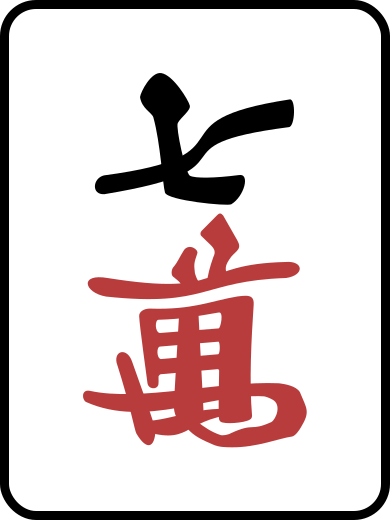
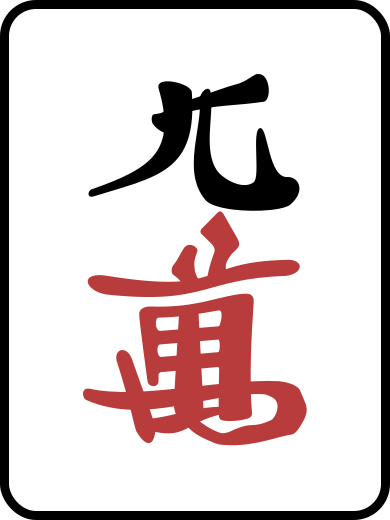
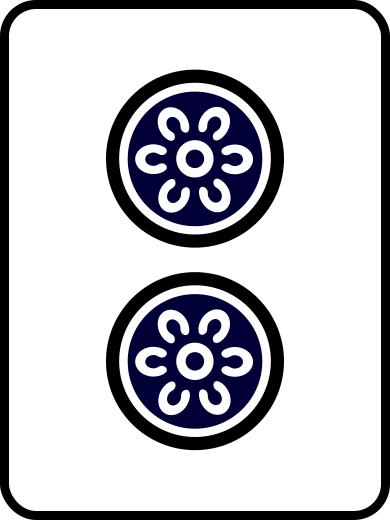
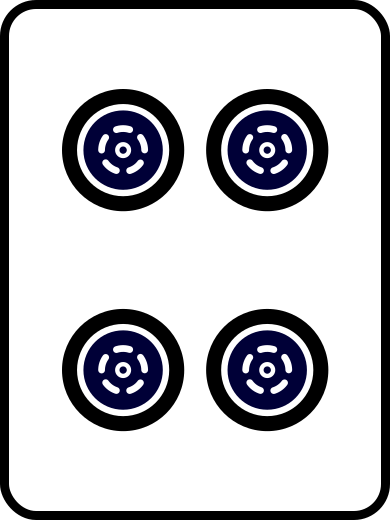
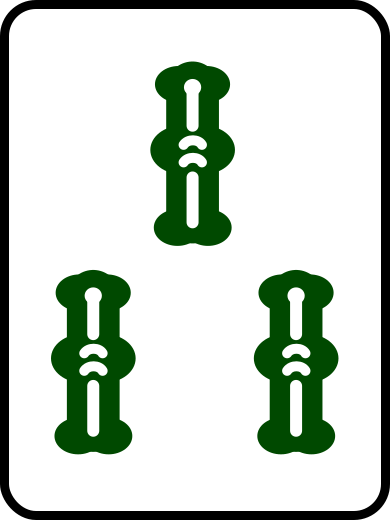
Before the draw, your 1-shanten took 8 tiles: the 8m for the 79m kanchan, and the 3m and the 7s that turn a pair into a set. Every one of them leaves a one-sided or . Throw the 3p back, or cut the 3s, and you stay on those 8 tiles. Keep the 3p and the 3s and cut the 9m instead. You're 2-shanten now, but 66 tiles move you forward, and the 1-shanten they reach takes about 23 tiles on average. More than half of those are good-shape draws.
Count it in draws. With about 100 tiles out of your sight, 8 of them come once in a dozen draws. The rewound hand moves forward on two draws in three, then on about one in four. Going back is faster here as well as better. Cut the 9m rather than a 3m: both keep 66 tiles, but with the 9m gone every tile is a 2 to 8, so tanyao is open, and the next step is wider, about 23 tiles against 19. The hand analyzer shows both 66-tile cuts.
A rule of thumb: rewind only from a 1-shanten this ugly, a handful of tiles that all lead to bad waits, next to a shape you'd hate to break, like the 2334p from Shapes worth keeping. The everyday 1-shanten from 1-shanten, 16 tiles that all end two-sided, never needs rescuing.
The turn decides
Every hand gives you about 17 or 18 draws: after the deal and the , 70 tiles are left to share four ways. Going back spends at least one draw, and the earlier you spend it, the more draws are left to make it pay. Later in the hand, three things turn against it:
- Fewer draws. The better tenpai has less time to arrive, and less time to win once it does.
- Opponents. Somebody declares, and the hand you broke faces their riichi with no wait of its own.
- The draw payment. If the wall runs out, tenpai is worth 2,500 to 3,000 points to you (How a game works), even when every copy of your wait is in the rivers. As dealer, it keeps your deal too.
Discards sit in rows of six. Turns here count from zero, as in the site's data, so turns 0 to 5 fill your first row, 6 to 11 the second, and 12 on the third. A rule of thumb that follows the rows:
- First row: go back for a wait with one copy left or none, a big jump in value on wide acceptance, or a 1-shanten as ugly as the one above.
- Second row: go back only for a wait with one copy left or none, into a wide rebuild.
- Third row: keep any tenpai you reach. If the wait has one copy left or none, keep it quiet, one more entry for the short list: riichi would stake 1,000 and your fold on a long shot.
It's the line I drew in a Tenhou game review: long detours are only playable in the first row of discards. A wait with one copy left or none is the one reason to go back later: that tenpai has little to lose.
Practice
Name the gain, then check the turn.
East 1, turn 4. Nobody has declared. You're not the dealer.Dora 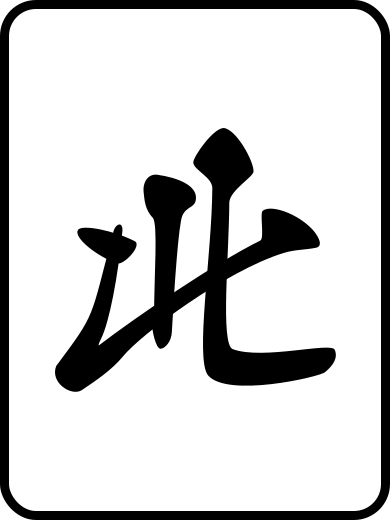
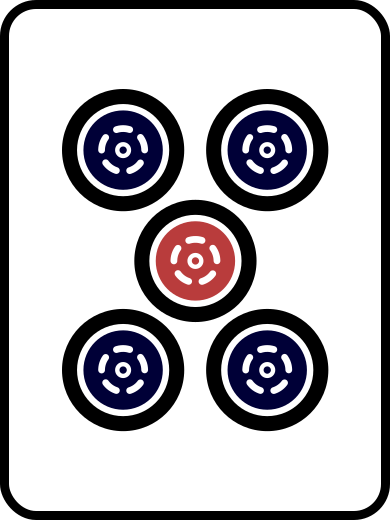
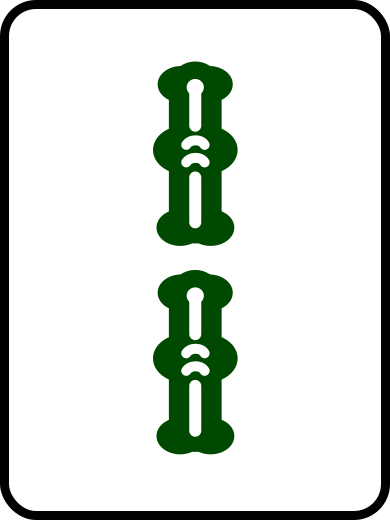
You draw the 5s for a pair. Cut the 2s for tenpai on a 7m kanchan, or cut the 8m and play for a two-sided wait?
Show the answerHide the answer
Take tenpai
Take the tenpai: cut the 2s and riichi. Riichi and tanyao on the 7m kanchan pay 2,600 by ron (2 han 40 fu). Cutting the 8m keeps 35 tiles, but only 12 reach a two-sided wait, where pinfu lifts most wins to 3,900. The four 7m among them wait on 5m-8m, on the 8m you threw. The other 23 land on another bad wait, a step later. In the 1p hand above, going back doubled or tripled the price on most draws. Here it adds half again on 8 draws of 35, against a live 4-tile wait that wins off any discard now.
East 2, turn 5. Nobody has declared. You're not the dealer. Three 4m are already in the rivers.Dora 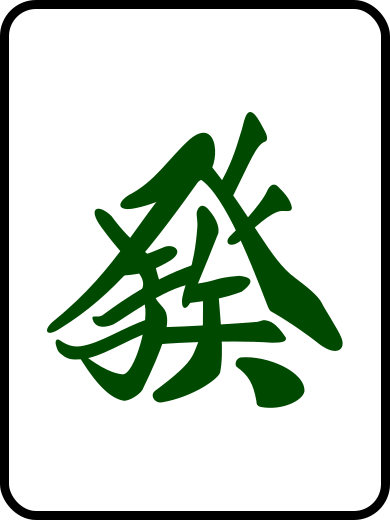
You draw the 3m. Cut a 2s, 5s, or 8s for tenpai on the 4m, or throw the 3m back?
Show the answerHide the answer
Go back a step
Go back: throw the 3m back. With three 4m gone, the 35m kanchan waits on the last copy. A riichi on a one-sided 4 with one copy left wins 13% of hands in the site's data, against 38% with all four. The hand has of its own, since the 1p rules out tanyao and the kanchan rules out pinfu, so taking this tenpai means declaring on that one tile. Throwing the 3m back keeps a 1-shanten that takes 46 tiles, more than half of them good-shape, with most of the hand still ahead. The hand analyzer opens this hand with the three 4m entered.
South 1, turn 11. Nobody has declared. You're not the dealer.Dora 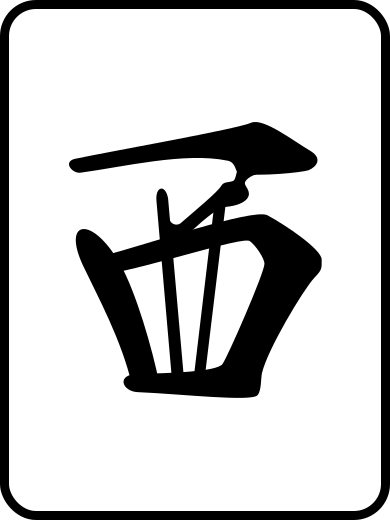
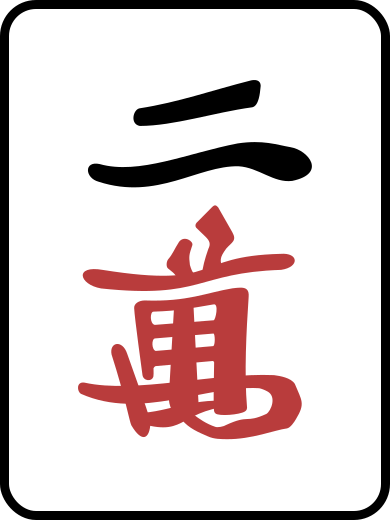
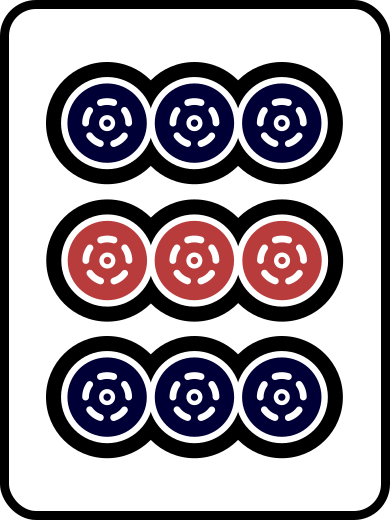
You draw the 4s. Cut the 8s for tenpai on a 3s kanchan, or cut the 2s and play for pinfu?
Show the answerHide the answer
Take tenpai
Take the tenpai: cut the 8s and riichi. The 789p rules out tanyao either way, so going back buys pinfu and nothing else: 2,000 by ron instead of 1,300. The 2s cut keeps 31 tiles, but only 12 reach a two-sided wait, and the four 3s among them wait on 2s-5s, furiten on the 2s you threw. That's one han on 8 draws of 31, paid for with a step on the of your second row, with five or six draws left. The wait is live, so the row rule says take it: it wins off any discard now and collects if the wall runs out.
Test the tenpai that bothers you
Enter the hand and the tiles you can see. The analyzer lists every cut, so you can set the tenpai you have beside the 1-shanten you would keep by going back, tile counts and good-shape draws included.
Open the hand analyzer