
Nearly every hand you win passes through 1-shanten, one useful tile from . From the same 14 tiles, one cut can leave 20 tenpai tiles that all end two-sided, and another 12 that mostly end on a . The difference is one discard.
Each tenpai tile is worth about 1% a draw
Iishanten () means one useful tile from tenpai, the count from the shanten lesson. Your acceptance, from Tile acceptance, is exactly the tiles that make you tenpai, and every other draw leaves you at 1-shanten.
So each tile on the list is a straight chance at tenpai. Take 136 tiles and remove your 13, the indicator, and the discards. Once each player has discarded five or six tiles, about 100 are hidden from you. If none of your tenpai tiles are visible, each one is about a 1% chance on every draw.
| Tenpai tiles | On your next draw | Within your next six draws |
|---|---|---|
| 12 | 12% | 55% |
| 16 | 16% | 66% |
| 20 | 20% | 75% |
Six draws is a third of the 18 or so a hand gives you, as How a hand is played counted. Over those six draws, every 4 tiles of acceptance add about 10 percentage points. The wait you reach matters too, and that's the second number to count.
The spare-tile shape and the complete shape
The everyday 1-shanten holds two sets, a head, two partial sets, and one spare tile. The examples below keep 234m, the 99m head, and 34678s fixed. Only the change.
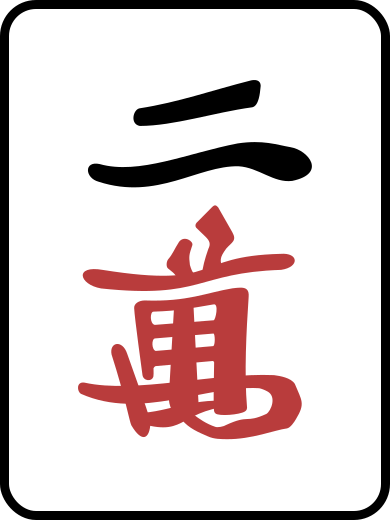
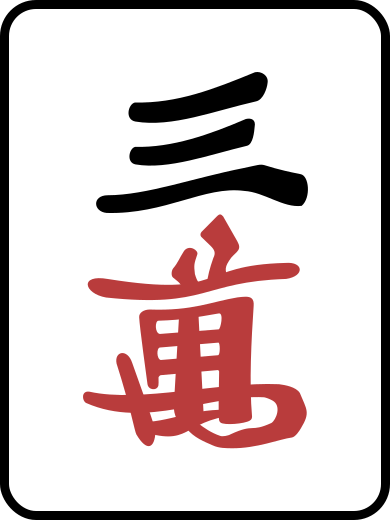
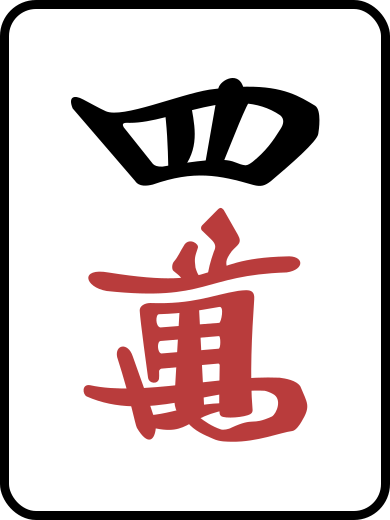
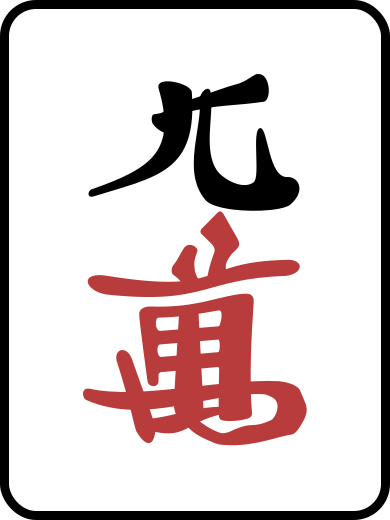

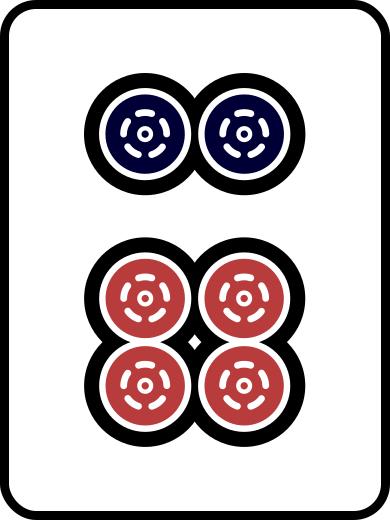
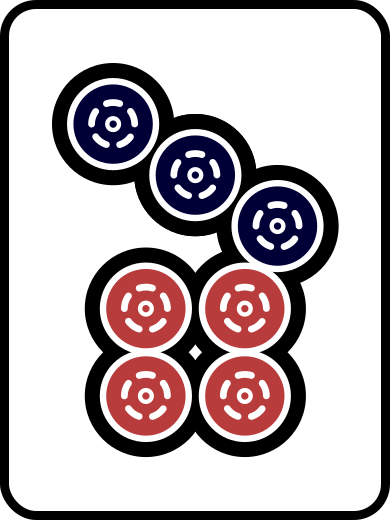
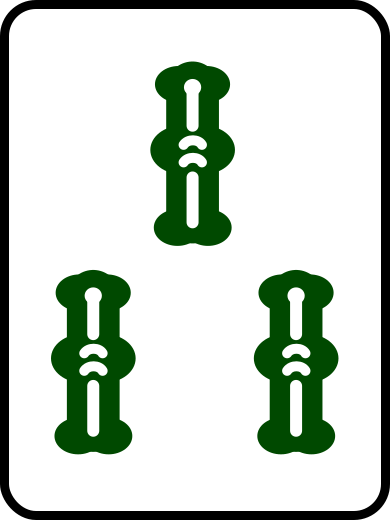
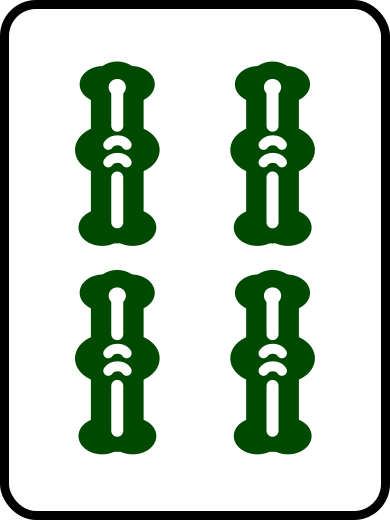
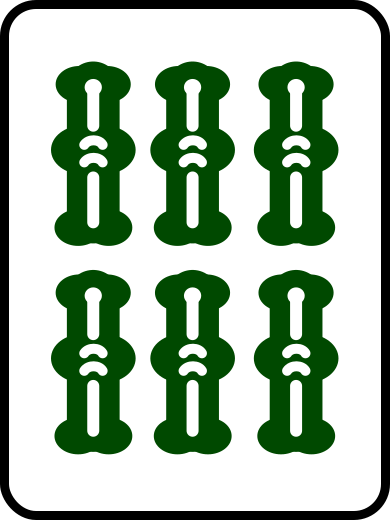
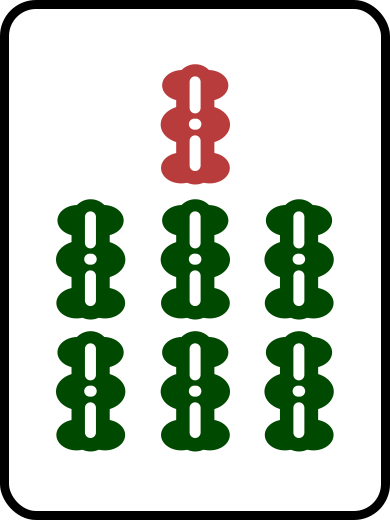
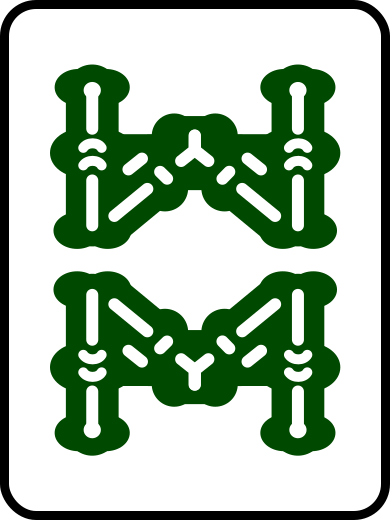
Two sets (234m and 678s), the 99m head, two (two-sided shapes) in and , and one tile with no job: the 1p, a loose (isolated) tile. That's the spare. In the five-block method a spare was the extra tile of a compound shape; at 1-shanten the word covers whichever 13th tile has no job, loose or not. The 5p, 8p, 2s, and 5s make you tenpai: 16 tiles. Each fills one ryanmen and leaves the other as your wait, so all 16 end two-sided. The spare adds none of them.
Now draw a 6p. It's a shape draw: no tenpai, but it changes your count.
| Cut | What you keep | Tenpai tiles | Good shape |
|---|---|---|---|
| Two ryanmen and two pairs | 20 | 20 |
| Two ryanmen, the head, and the 1p | 16 | 16 |
| One ryanmen, two pairs, and the 1p | 12 | 4 |
Cut the 1p. The is a ryanmen sharing a tile with a pair, from Shapes worth keeping, and with the 99m you hold two pairs.
- 5p or 8p finishes the pinzu. Cut the extra 6p and wait on the 2s and 5s.
- 2s or 5s finishes the . Cut a 6p and wait on the 5p and 8p, with the 99m as your head.
- 6p makes 666p. Cut the 7p and wait on the 2s and 5s.
- 9m makes 999m, and the 66p becomes your head. Cut the 7p, same wait.
That's 20 tiles, every one two-sided. Japanese players call this kanzen iishanten (完全イーシャンテン), the complete 1-shanten: two ryanmen and two pairs, with one pair sharing a tile with a ryanmen so it all fits in 13. When the 2s or 5s comes first, you could also cut the 7p and wait on both pairs, a shanpon (pair wait). Take the ryanmen: 8 tiles against 4, as Mahjong waits counted.
The tidy 6p cut throws away the 4 tiles the second pair brought: two 6p and two 9m. The 7p cut keeps both pairs but breaks the 67p ryanmen, and 8 of its 12 tiles, the 2s and 5s, leave you on a shanpon. The hand analyzer prints these counts for any hand.
What do you discard?
Tap the tile you would cut.
Show the answerHide the answer
Cut 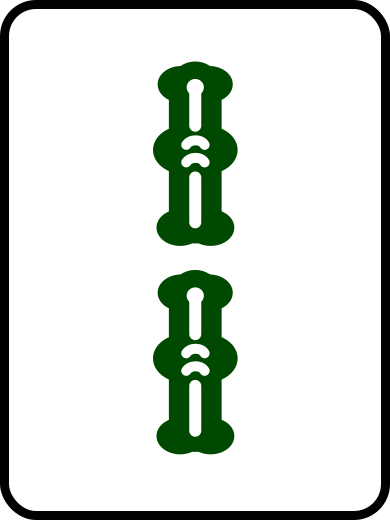
Cut the 2s. The 5s turned your 24s (middle shape) into a 45s ryanmen, and the 344p and 88s give you two pairs: the complete shape, 20 tiles, all good shape. Throw the 5s back and you keep 16 tiles, but only the four 3s fill the kanchan and leave a two-sided wait. The other 12 leave you waiting on the 3s. Cut a 4p to tidy the pinzu and you keep 16, all two-sided, but give up the 4 tiles the second pair brought: two 4p and two 8s.
Count the draws that end two-sided
The hand analyzer and the efficiency trainer print this second number at 1-shanten, in a column called Good shape. It counts the tenpai tiles that let you wait on two or more kinds with five or more copies outside your hand. A ryanmen passes with 8, and so do the wider waits. A kanchan (middle), (edge), or (single wait) waits on one kind, and a shanpon holds at most 4, so they don't.
The gap at the table is wide. In Tenhou's top room (), a declared on turn 8 wins 52% to 57% of the time on a two-sided wait, and 33% to 36% on a one-sided wait on a 4, 5, or 6. Turns count from zero there, so turn 8 is your ninth discard. The wait win rates post has the full table.
Here's the same frame with a (two kanchans sharing a tile), the from Shapes worth keeping, and an 8p drawn this turn.
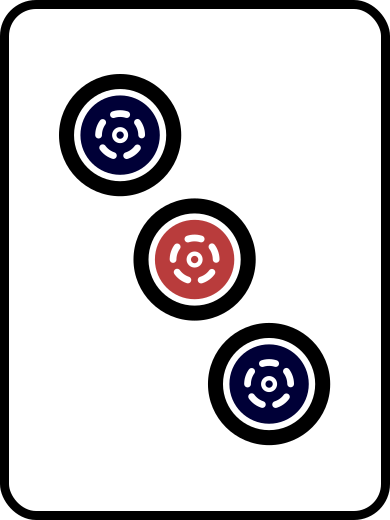
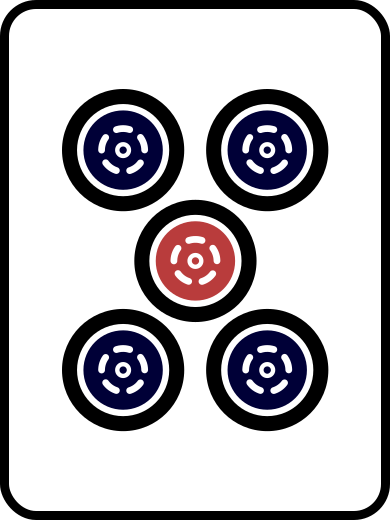
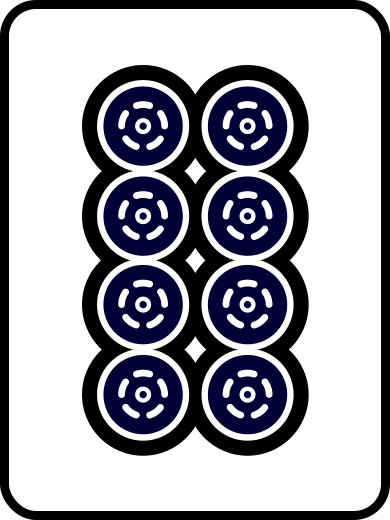
Cut the 8p, the 3p, or the 5p and you keep 16 tiles. The tile count can't split them. The second number can.
- Cut the 8p and keep the ryankan. The 4p and 6p fill it and leave the 34s as your wait. But when the 2s or 5s comes first, half your tenpai tiles, you cut one end of the 357p and wait on a kanchan. 8 of 16 are good shape.
- Cut the 3p or the 5p. The 78p takes the 6p and 9p, and whichever block fills, the other is a ryanmen. 16 of 16.
So count tiles first, then good shape. When cuts tie on tiles, take the one with more good-shape draws. When they come close, a wide good-shape gap can outweigh a tile or two. Headless and floating-tile 1-shanten weighs that trade.
Six cuts keep 12 tiles. Which one do you cut?
Tap the tile you would choose.
Show the answerHide the answer
Break the kanchan
Cut the 4m or the 6m. The 5s made 2356s, two ryanmen that share the 4s, so together they take the 1s, 4s, and 7s: 12 tiles. Break the 46m kanchan and you keep those 12, and every tenpai waits on two kinds or more. Cut from the souzu instead and you also keep 12, but 8 of them fill the souzu and leave the 46m waiting on the 5m. That's 4 good-shape tiles against 12.
Keep a spare that can still build
In the spare-tile shape, one tile adds nothing to today's count, so choose it for what it does on the draws that miss. The spare matters when a is weak.
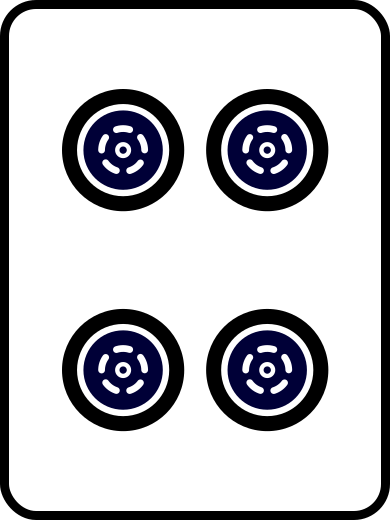
The and the 34s take 12 tiles, and only the four 8p leave a two-sided wait. The 4p adds nothing today, and a 1p in its place would keep the same 12. The shape draws split them: a 3p or a 5p lands beside the 4p and makes a second ryanmen. Cut the 7p or the 9p and you hold 16 tiles, all good shape. With the 1p as your spare, a 3p only makes a kanchan and a 5p a ryankan.
So with a weak partial set, keep the spare that can grow into a ryanmen: a middle tile over a terminal or an honor, the order from What to discard first. With two ryanmen, the spare can be the tile that's safest to throw later. That's when safety comes free. Until someone declares riichi or makes their second call, a 1-shanten with good shape or some value doesn't give up a tenpai tile to keep a safe one. Defense before the riichi covers which spares stay safe.
East 1, turn 6. Two players have discarded a North.
Both spares keep 12 tenpai tiles. Which one goes?
Tap the tile you would choose.
Show the answerHide the answer
Keep the 7m
Cut the North. Either cut keeps 12 tiles, and only the four 3p, which fill the 24p kanchan, leave a two-sided wait. A 6m or an 8m beside the 7m makes a second ryanmen: cut the kanchan and you hold 16 tiles, all good shape. The North can only pair, with one copy left. Save the safe spare for a hand with two ryanmen.
Practice
Say both numbers before you tap.
What do you discard?
Tap the tile you would cut.
Show the answerHide the answer
Cut
Cut the 4s. The 2p finished 234p, so you're at 1-shanten with two pairs, and each sits on a partial set: 224s on a kanchan, 556m on a ryanmen. Cut the 4s and you hold 22s, 556m, and the 67p, the complete shape: 20 tiles, all good shape. Cut a 6m and you keep 224s and 55m: 16 tiles, but the 5p and 8p fill the 67p and leave you on the 24s kanchan or a shanpon, so only 8 end two-sided. Cut a 5m: 16 tiles, all two-sided, 4 fewer than the complete shape.
What do you discard?
Tap the tile you would cut.
Show the answerHide the answer
Cut
Cut the 7p or the 9p. The 4s made 23456s, five in a row that takes the 1s, 4s, or 7s. The 12345m is 123m plus a 45m ryanmen, which takes the 3m and 6m. Break the 79p kanchan, the block too many, and you keep 18 tiles, every one good shape. The 1m looks like the first cut because it's a terminal, but it holds 123m together. Cut it and you keep 15 tiles, and only the four 8p end two-sided.
In the efficiency trainer, every cut tied for widest counts as right, so break those ties on good shape yourself.
Count both numbers
The efficiency trainer's Easy level deals 1-shanten hands and shows a good-shape count for every cut that keeps 1-shanten. Ties for widest all count as right, so say both numbers and break ties on good shape yourself.
Open the efficiency trainer