
Early in a hand, most discards come down to finding the tile with no job. A winning hand has five jobs, four sets and a pair. Sort your tiles by those jobs, and the one left over is usually your cut, no acceptance count needed.
A winning hand is five blocks
A standard winning hand is four sets and a pair, the head: five blocks. While you build, a block is anything that fills one of those five places or sits one draw from filling it.
- A set, already finished.
- A , or taatsu: a (two-sided), (middle), or (edge) shape, one tile from a set. The partial sets lesson ranked them. A pair counts as one too, but gets its own line because one pair is your head.
- A pair, which can be your head or wait on its third copy.
The shapes from Shapes worth keeping count as one block each, holding one tile more than the block needs. Call that tile the spare. In the block is the 34p and the second 3p is the spare. In the , two kanchans sharing the 5s, it's either end. In it's the 3m or the 6m beside the set.
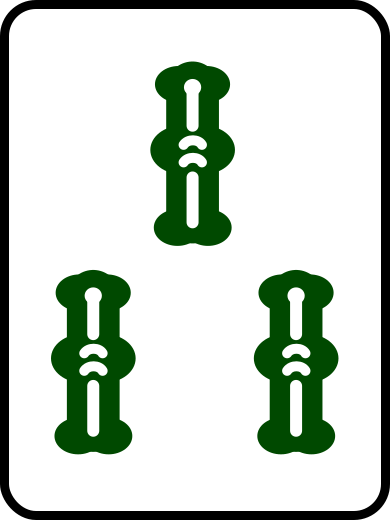
A loose (isolated) tile belongs to no block: nothing sits within two of it in its suit, or it's an honor with no partner. Japanese players call this way of reading a hand five-block theory (5ブロック理論).
Three steps to the discard
- Split. Find the sets first, then the partial sets and the pairs. No tile goes in two blocks, and some go in none. When a tile fits two ways, give it to the better block: read as the 45p ryanmen, not the 57p kanchan.
- Count to five. Five blocks, with a pair among them for the head, give every part of a winning hand a candidate. A tile outside them could only start a sixth block, and the hand has no room for one, so cutting it costs no acceptance.
- Weigh the spares. Ask what each spare adds that its block can't do alone. A spare that adds tiles outranks any loose tile. A spare that adds nothing is as free a cut as a loose tile.
Here's a 2-shanten hand after a draw.
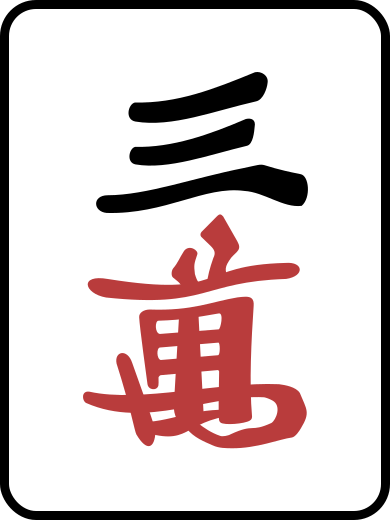
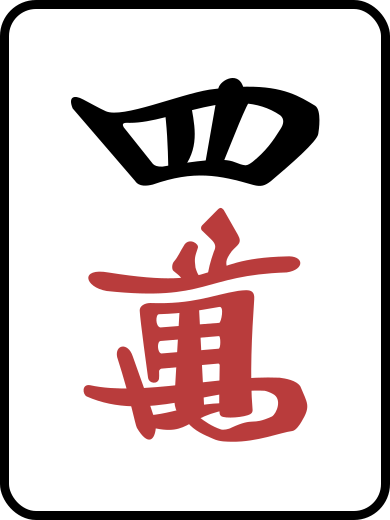
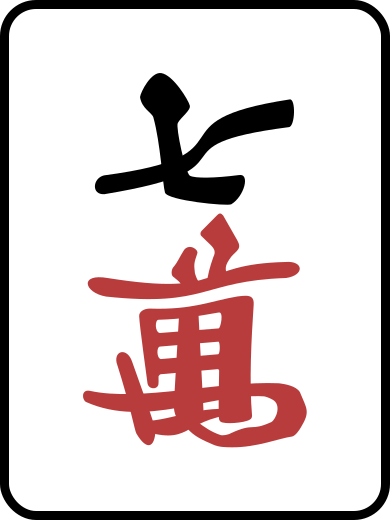
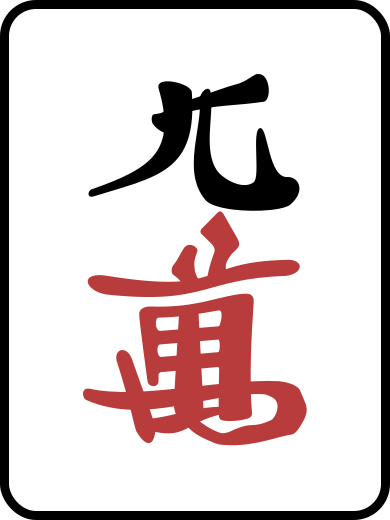
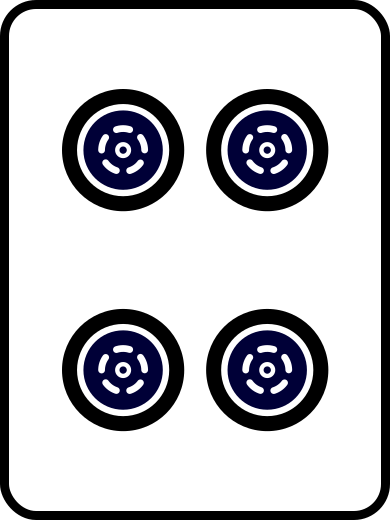
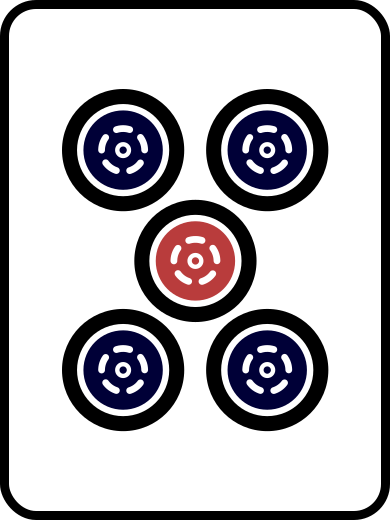
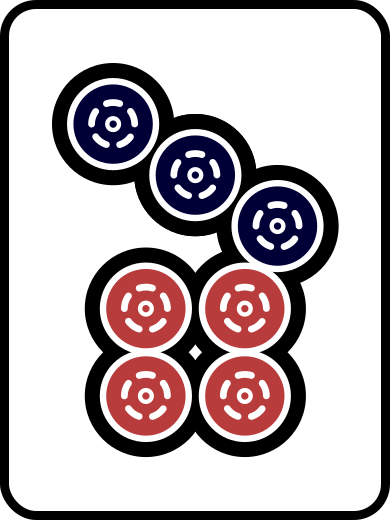
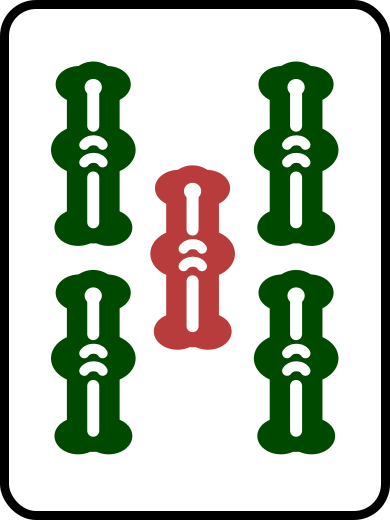
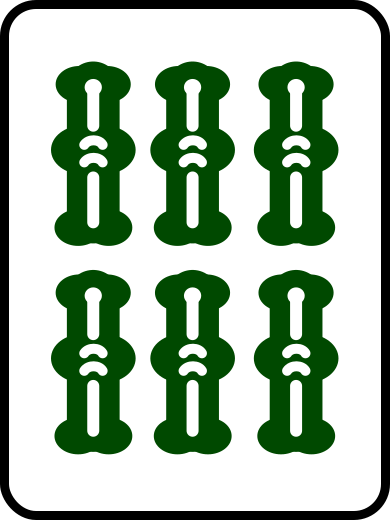
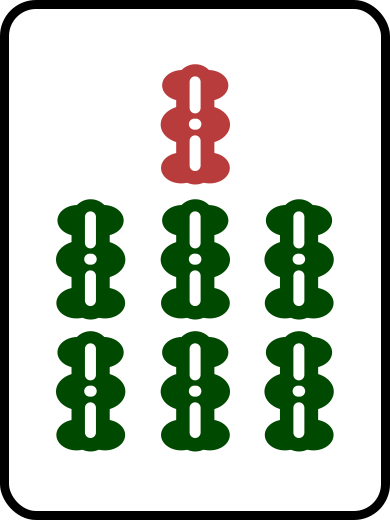
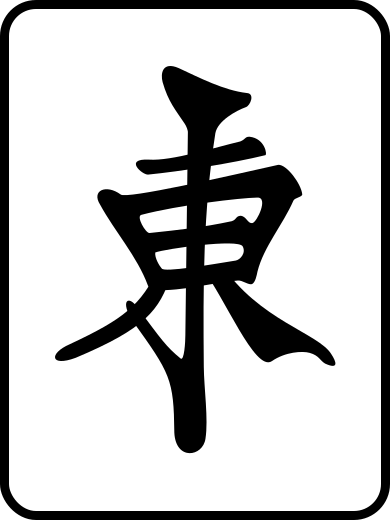
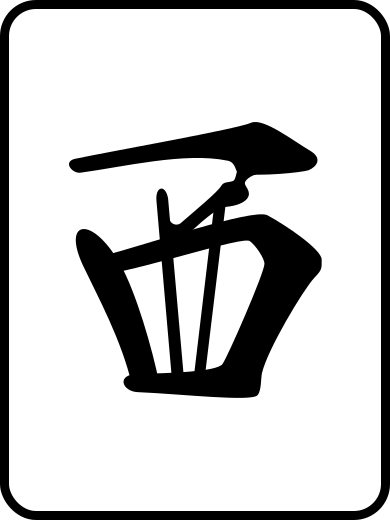
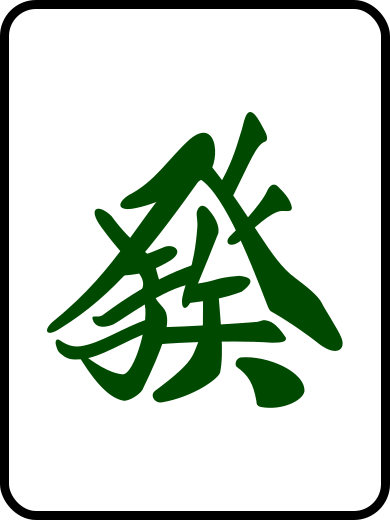
Split it: the 567s set, the 34m and 45p ryanmen, the 79m kanchan, and the Green pair as the head. That's five. Three tiles sit outside them: the East, the West, and the 7p.
The 7p looks like part of the 45p, so check what it adds. The one draw that would put it in a set is the 6p, and the 45p already takes every 6p. Cut any of the three and you keep the same 20 tiles: the 2m, 5m, 8m, 3p, and 6p. Every other cut costs you: the 4p leaves a 57p kanchan with 16 tiles, and the rest drop you to 3-shanten. Acceptance can't split the three free cuts.
Spares come in two kinds.
- Spares that add tiles. A spare that makes a second pair, like the extra 3p in 334p while your head sits elsewhere. Two pairs work as a team, as the pairs lesson showed: a third copy of either one makes a set while the other stays the head. Or a ryankan's second end: 357s takes the 4s or the 6s, twice the tiles of one kanchan.
- Spares that add nothing. A tile whose job its block already does, like the 7p above. Or a tile hanging off a finished set, like either end of 3456m: any draw that joins it only builds a sixth block. In a hand a block short, that spare earns its place, as Shapes worth keeping counted. With five blocks, it doesn't.
When a spare that adds nothing ties with a loose tile, my rule of thumb is to break it on shape, as in Tile acceptance. Ask whether the tile can still grow into a ryanmen. In the hand above, an 8p beside the 7p makes a 78p ryanmen, better than your 79m kanchan. A spare hanging off a run can too: in 5678p, a 4p leaves you 678p and a new 45p. A loose honor never can, so the East and the West go before the 7p. When shape ties as well, the usual order from What to discard first decides, and it picks between the two winds.
What do you discard?
Tap the tile you would cut.
Show the answerHide the answer
Cut 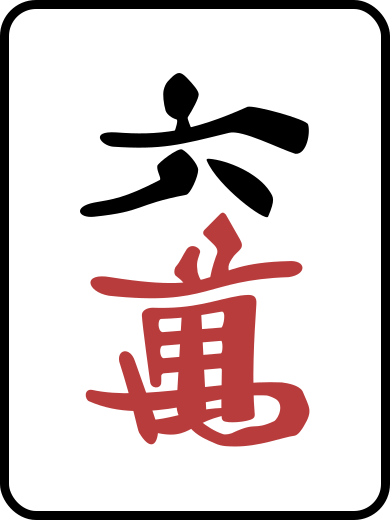
Cut the 6m. Your five blocks are 123s, 678s, the 23p, the 79p kanchan, and the 22m head, so nothing the 6m builds lowers your , middle tile or not. The 7p you drew adds a second pair: a third 7p or a third 2m makes a set, and acceptance comes before shape. Cut the 6m and you keep 16 tiles; cut the 7p or the 9p and you keep 12, and breaking the 23p drops you to 2-shanten.
One hand from the deal to 1-shanten
You're South in East 1, so the North is a guest wind. Here's your deal.
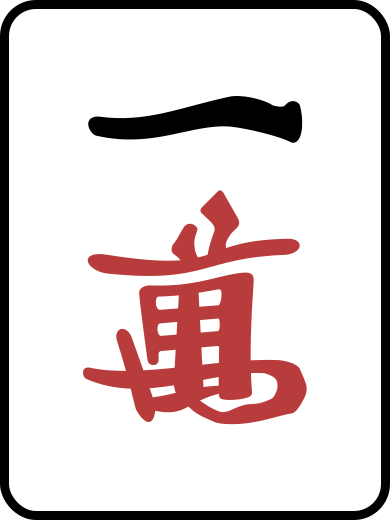
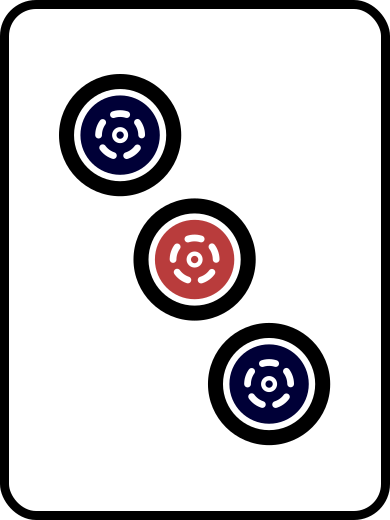
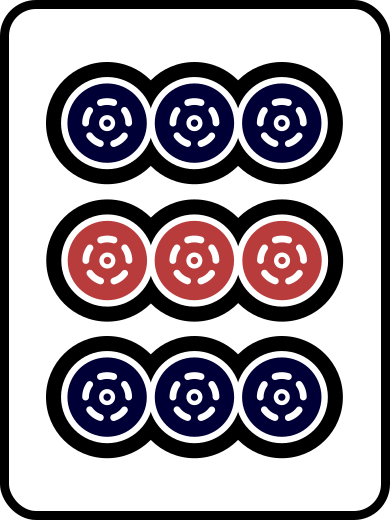
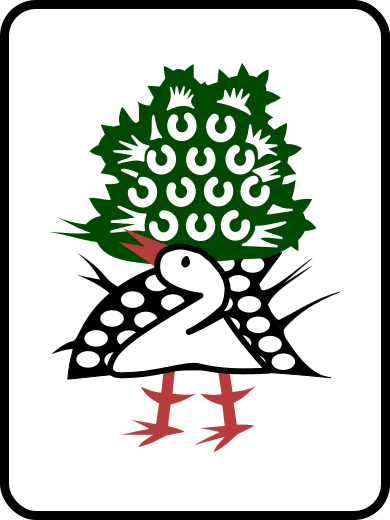
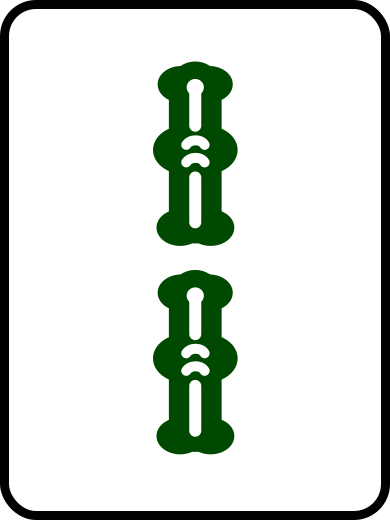
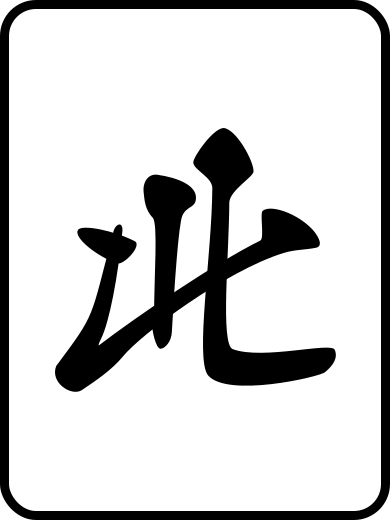
Split it: the 46m kanchan, the 34p and 67s ryanmen, the 12s penchan, and the 99p pair. Five blocks and no set: 3-shanten. The 1m, the North, and the fit none of them. Until the count changes, every cut comes from outside the five.
| Draw | What it does | Cut | After the cut |
|---|---|---|---|
| Makes 334p, a second pair: a spare that adds 4 tiles | | 3-shanten, 28 tiles |
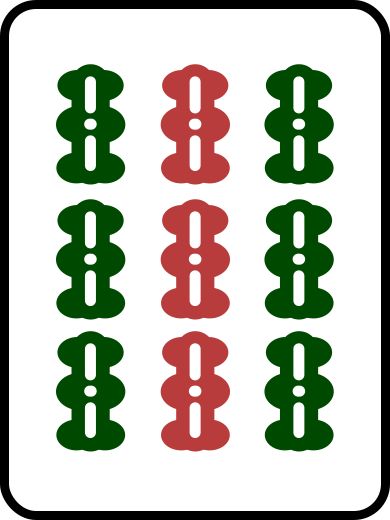 | Joins the 67s, which already takes every 8s: adds nothing | | 3-shanten, 28 tiles |
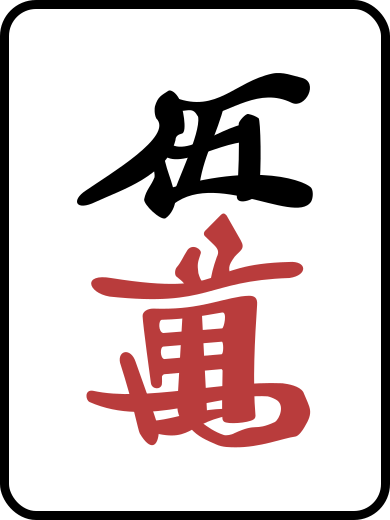 | Finishes 456m | | 2-shanten, 24 tiles |
| Finishes 567s | | 1-shanten, 16 tiles |
The North went first: What to discard first puts guest winds at the front of the order. The 9s added only what your 67s already takes, so it went straight back. Then the 1m, since loose 1s and 9s go before the dragons, and last the Green, a yaku for everyone. Every cut kept the widest count, and you never compared two blocks.
That's 1-shanten on 16 tiles: the 2p and the 5p for the 34p, the 3s for the penchan, and a third 3p or 9p, which makes a set while the other pair stays the head. Real hands waste more draws, but the routine holds every turn: split, count, and cut what's left over.
Why counting to five works
The method is the count from the shanten lesson, done without arithmetic. That count starts at 8. It takes off 2 for each set, 1 for each partial set (a second pair included), and 1 for the head, with room for no more than four sets and partial sets. Five blocks with a pair among them fill every slot it has. A tile outside them takes nothing off, so cutting it keeps your shanten. With no pair among them, a loose tile that pairs still helps.
It's the count too. A draw is acceptance only when it lowers your shanten. A draw that joins a loose tile makes a sixth block, which the count has no slot for, so that tile adds no acceptance. Break one of the five blocks instead and you lose its draws, or go back a shanten.
The method doesn't replace the count. It finds the free cuts, and when two spares both add tiles, you still count.
Five is the count you want, and you won't always have it. Count six and one block is surplus. Count four and you're a block short, so a loose tile that can grow is worth keeping. Too many blocks or too few works through both. Value and safety can also overrule the count, and later lessons show when.
Practice
Name the five blocks before you pick.
What do you discard?
Tap the tile you would cut.
Show the answerHide the answer
Cut 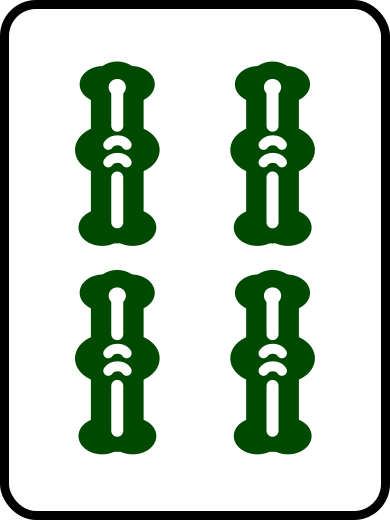
Cut the 4s. The five blocks are 789m, the 34m, the 357p ryankan, the 67s, and the East pair as the head. The extra 3m makes a second pair, so a third 3m or a third East makes a set, and the 7p you drew gives the 35p a second way to finish, the 6p. The 4s wants only the 5s, and the 67s already takes every 5s: cut it and you keep 28 tiles, while cutting any other spare keeps 24.
What do you discard?
Tap the tile you would cut.
Show the answerHide the answer
Cut
Cut the 5p. Before the draw, it earned its place in the 135p ryankan, but the 2p finished 123p, and now a 4p or a 6p beside the 5p would only start a sixth block. The five blocks are 123p, 678s, the 246m ryankan, the 23s, and the West pair as the head, and the ryankan's extra end adds a 3m or a 5m. Cut the 5p and you keep 16 tiles; cut the 2m or the 6m and you keep 12.
What do you discard?
Tap the tile you would cut.
Show the answerHide the answer
Cut
Cut the 5p or the 8p. The 12m penchan looks weakest, but it's one of your five blocks: 789m, 567p or 678p, the 12m, the 13s kanchan, and the 88s head. The 5678p is a set with a spare that adds nothing, while the 3s you drew adds a second pair. Cut the 5p or the 8p and you keep 12 tiles; cut the 3s or the 1s and you keep 8, and cutting the 1m drops you to 2-shanten.
The daily problem never makes a loose tile the answer, so it skips the easy cut and tests what comes after: a spare that adds nothing, or a block to give up. The efficiency trainer deals more hands for the same drill.
Count to five every day
The daily discard problem never makes a loose tile the answer. Name your five blocks, find the spare that adds nothing or the block to give up, then check the acceptance table.
Open today's problem