
A 1-shanten with two two-sided partial sets and a pair takes 16 tiles to . The headless hand below takes 28, and the floating-tile hand after it takes 40. In their plain forms, most of those draws leave you on a bad wait, narrower than two-sided, so beside every tenpai you could get, count the ones you'd want to .
1-shanten: the step where hands are won weighed every 1-shanten on two numbers: the tiles that make you tenpai, and the good-shape draws among them. A good-shape draw reaches a wait on two or more kinds with five or more tiles left: a (ryanmen), a (four in a row, waiting on either end), or wider. The hand analyzer prints that second number in its Good shape column. On most hands the two numbers point the same way. On these two shapes they can split.
A headless hand finds its pair on the way
A headless 1-shanten holds three sets and two partial sets, and no pair. Japanese players borrow the English word: ヘッドレス. A hand with no head looks a step behind. It isn't, because the pair is the easy part: any tile you hold can pair, as the pairs lesson showed on a hand much like this one.
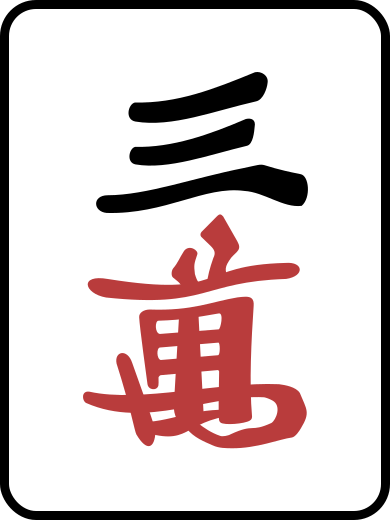
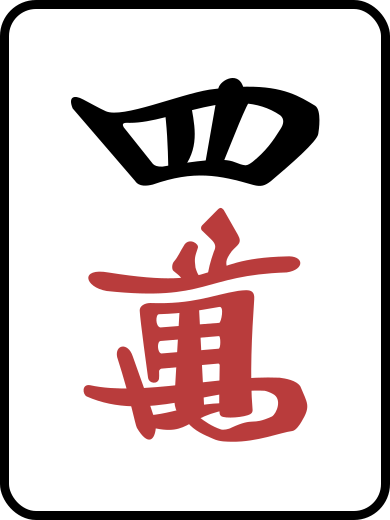
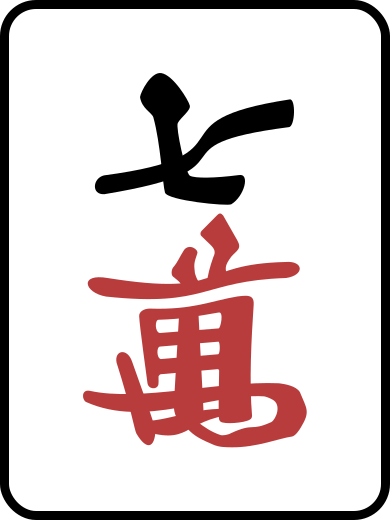
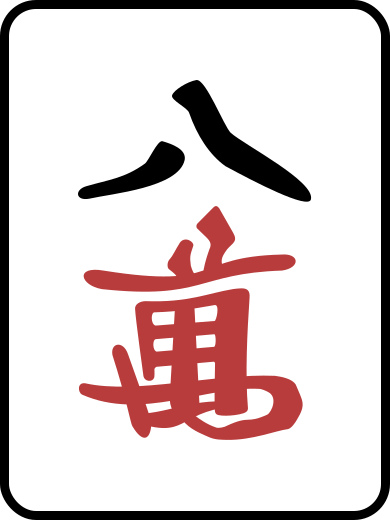
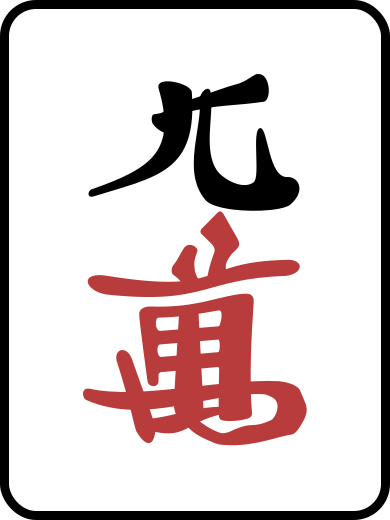
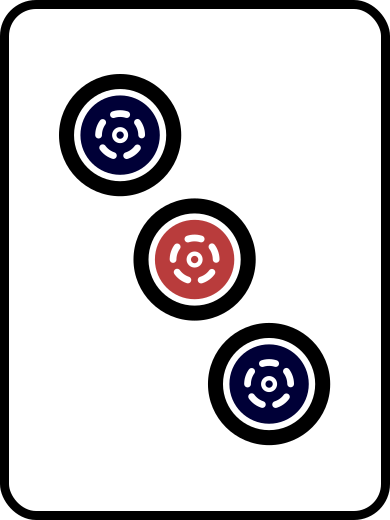
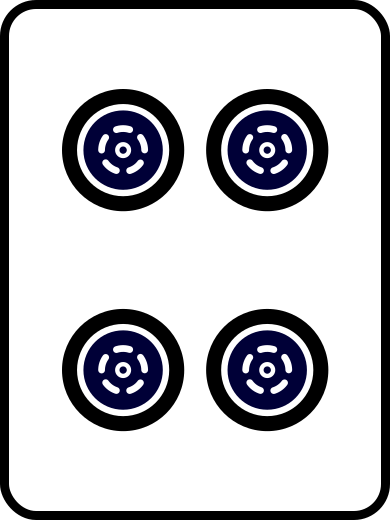
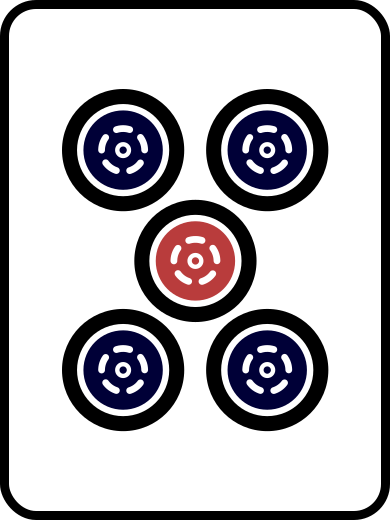
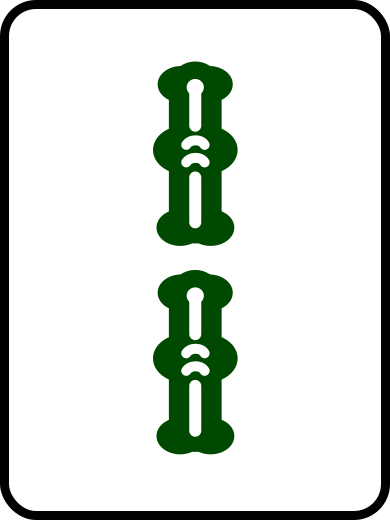
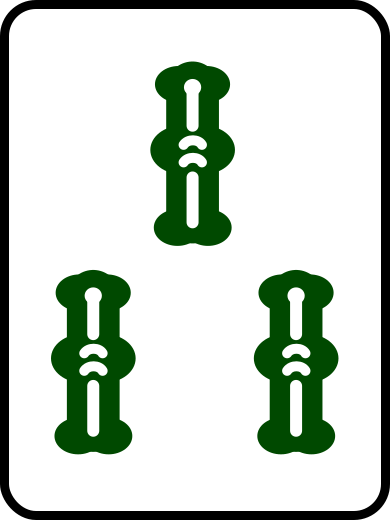
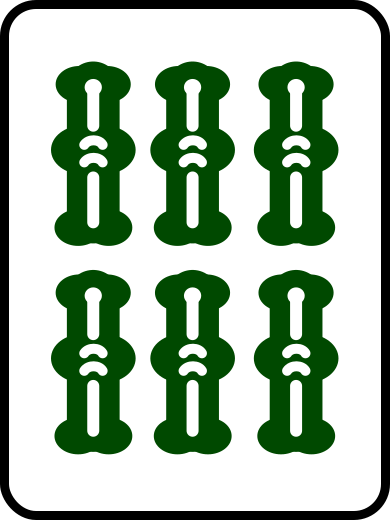
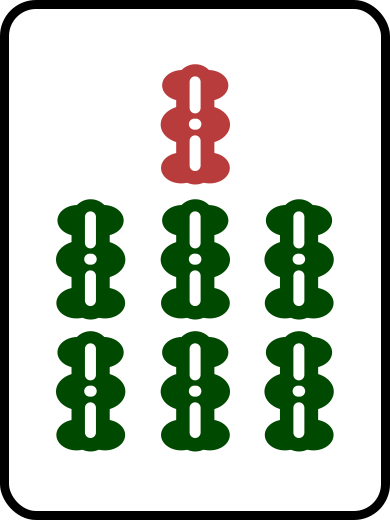
Three sets (789m, 345p, and 678s) and two ryanmen, the 34m and the 23s. Draws reach tenpai in two ways.
- Finish a : the 2m, 5m, 1s, or 4s, 16 tiles. Now you hold four sets plus the two tiles of the other partial set. Cut one and wait on the other alone, a (single wait) with 3 tiles left.
- Pair a tile from a partial set: the 3m, 4m, 2s, or 3s, 12 tiles. That's your head. Cut the other tile of that partial set, and the remaining ryanmen is your wait.
So 28 tiles make tenpai, and only 12 of them give a two-sided wait. Keep the hand anyway, though early on it's close. Draw a 5p, and the 3455p splits into a 55p head and a 34p ryanmen: cut a 3m and you hold 17 tiles, all two-sided. Throw the 5p back and you keep 28, with 12 two-sided. The 28 reach tenpai sooner and win a little more often, because a tanki riichi still wins plenty of hands. The 17 pay more: every tenpai has , so a non-dealer's riichi pays 2,000 by ron, against 1,300 for a tanki with riichi alone. The later the hand, the more the speed counts.
A triplet does better. Swap the 345p for three 4p. The count stays at 28, and the waits change.
Draw the 5m and you finish 345m. Cut a 4p and the triplet becomes your pair, with the 23s still waiting on two sides. That move works after every draw that finishes a partial set, so all 28 tiles now reach a good-shape tenpai. A triplet in a headless hand is a pair you haven't used yet.
A set joined to a partial set helps too. Hold 34567m, and when the other partial set fills, cut the 3m and wait on the 4567m nobetan, 6 tiles, instead of a tanki.
East 1, turn 6.
What do you discard?
Tap the tile you would cut.
Show the answerHide the answer
Cut
Cut a 3s for a headless 1-shanten: 333m, 234s, and 789s, plus the 78m and the 45p. With the 333m in hand, all 28 of its tiles reach a two-sided wait. Keeping a pair looks tidier, but cutting the 2s, the 4s, or a 3m keeps 16 tiles: good-shape too, and 12 fewer.
A floating tile makes tenpai with almost anything
The other wide shape has its three sets and its pair done. The two tiles left over are floating tiles, and the hand is a kuttsuki 1-shanten (, sticking on). Any draw that sticks to a floating tile, as a partial set or a pair, gives you tenpai. You cut the other floating tile.
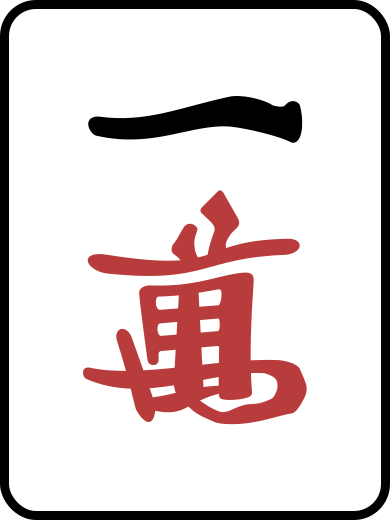
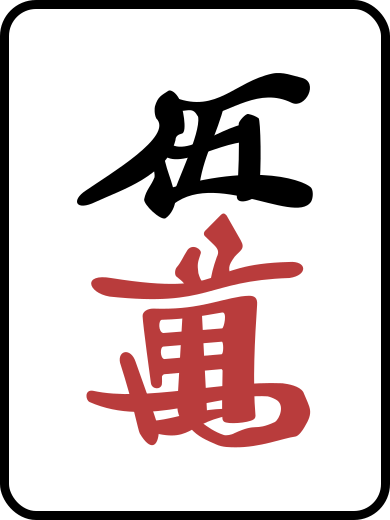
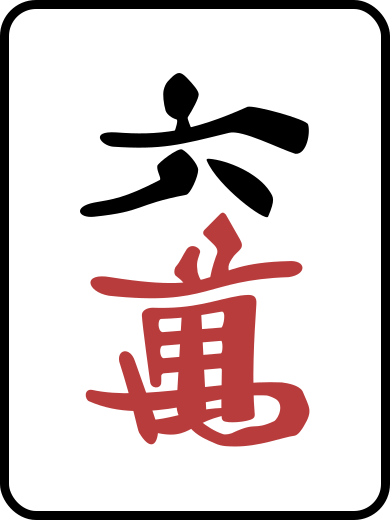

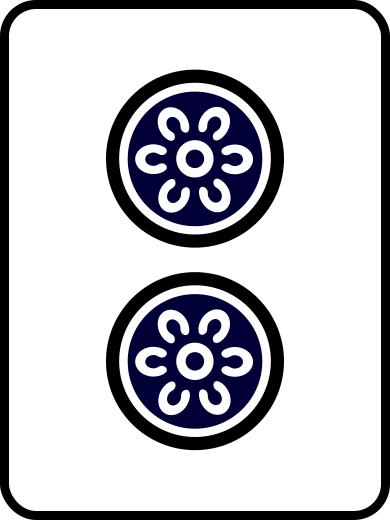
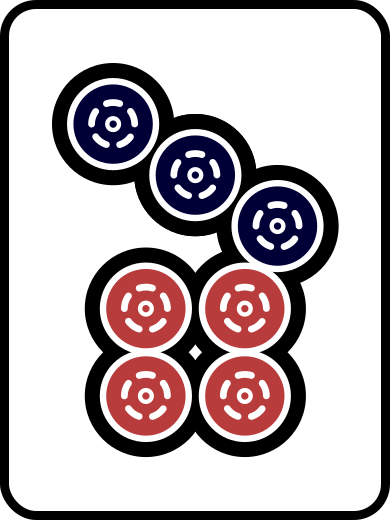
Three sets (456m, 123p, and 678s), the 11m pair, and two loose (isolated) floating tiles, the 7p and the 3s. Anything from the 5p to the 9p sticks to the 7p, and anything from the 1s to the 5s sticks to the 3s. Count the last two 1m too, and 40 tiles make tenpai.
Only four kinds give a two-sided wait: the 6p and 8p beside the 7p, the 2s and 4s beside the 3s. That's 16 tiles. The other 24 leave a (middle wait), a (pair wait), or a tanki. A 5p, for one, makes the 57p kanchan, and a second 7p makes a shanpon on the 7p and 1m.
Each floating tile brings its own share, and they aren't equal.
| Floating tile | Tiles that give tenpai | Good-shape |
|---|---|---|
| The 6s of | 28 | 14 |
| The extra 5s of | 16 | 14 |
| A loose 3 to 7 | 19 | 8 |
| The 8s of | 18 | 4 |
| A loose 2 or 8 | 15 | 4 |
| A loose 1 or 9 | 11 | 0 |
| A loose honor | 3 | 0 |
A loose 3 to 7 gets a two-sided wait from either tile beside it. A 2 or 8 gets one only from the neighbor toward the middle, and a 1, 9, or honor never does. A floating tile touching a run does better, because draws around it stretch the run into a two- or . One two away from a run, like the 8s of 4568s, takes 3 more tiles than a loose 8 and no more good waits. Cut the floating tile lowest in the table.
What do you discard?
Tap the tile you would cut.
Show the answerHide the answer
Cut
Cut the 8m: the 5p you drew touches the 678p, so it's the best floating tile in the hand, and a loose 8 ranks below the loose 4s. Cutting the 8m keeps 45 tiles, 24 of them good-shape, against 41 and 20 for the 4s. Even the last two Wests count as good, since a third West leaves the 5678p as a nobetan. Throwing the 5p straight back looks tidy and keeps only 36 tiles, 12 of them good-shape.
When the widest cut gives the worse waits
Keep the and from the floating-tile hand and change the : a 456s run, plus a second 5s and an 8s.
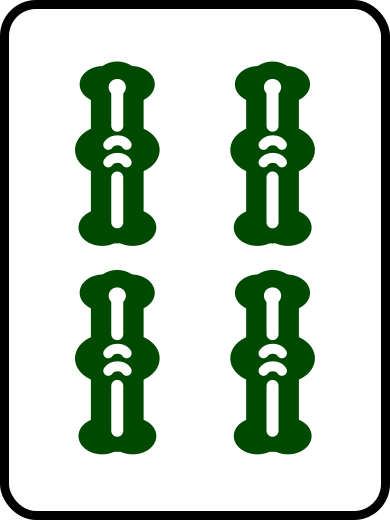
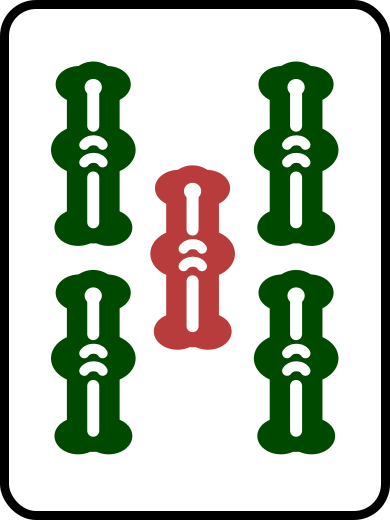
The extra 5s and the 8s are both floating tiles, and with the 7p that's one too many. One has to go.
- Cut the 5s. You keep 4568s, with the 8s two away from the run: 39 tiles, 12 good-shape.
- Cut the 8s. You keep 4556s, the doubled middle: 37 tiles, 22 good-shape.
The hand analyzer ranks the 5s first because it sorts by width. The count is right. The cut isn't. Turn both counts into chances at about 1% a tile, the figure from the 1-shanten lesson: 39 tiles is about 39% a draw and 37 about 37%, so tenpai comes at nearly the same pace. A good-shape tenpai is about 22% a draw after the 8s cut and 12% after the 5s cut. Cut the 8s.
That gap shows up when you riichi. In the site's wait win rate data, from Tenhou's top room (), a two-sided riichi at turn 8 wins 52% to 57% of the time, and a one-sided wait on a 4, 5, or 6 wins 33% to 36%. Turns count from zero there, so turn 8 is your ninth discard.
My rule of thumb: in a hand this wide, when the cuts are within two or three tiles of each other, a clear lead in good-shape draws decides. That's the trade the 1-shanten lesson pointed to, and wide hands are where it comes up most: here two tiles cost 2 percentage points a draw, and the good-shape gap is 10. When the wider cut keeps many more tiles, like the headless hand's 28 against 17, lean to the width, and lean harder the later it gets. Late in the hand, any tenpai collects from the players at an exhaustive draw, as How a game works showed.
None of this tells you to refuse a bad wait. You're choosing which 1-shanten to hold. If tenpai still lands on a kanchan, take it and riichi; When to riichi makes that case later in the course.
East 2, turn 5. Nobody has declared.
What do you do?
Tap the tile you would choose.
Show the answerHide the answer
Cut the 2s
Cut the 2s and keep the 4556s, where the 3s, 4s, 6s, and 7s all leave a two-sided wait: 46 tiles, 30 of them good-shape. The widest cut is the 5s you drew, at 48 tiles, but only 20 are good-shape, because a 2s two away from the 456s gets a good wait from the 3s alone. That's 46% a draw for tenpai against 48%, but 30% for a good-shape one against 20%, so the 10 extra good-shape draws decide. Cutting from the 4567p keeps only 25 tiles.
Read the good-shape column
Paste a wide 1-shanten into the hand analyzer. It ranks every discard by tiles accepted and shows how many of those draws reach a good-shape tenpai, so you can see where width and wait quality split.
Open the hand analyzer