
The turns a tile sideways, and your hand is two steps from with in sight. You fold. Eight or ten discards remain, and one wrong tile among them costs about as much as five clean folds.
When to fold, and what it costs
Betaori (ベタ降り), the , means you stop playing for the win and discard the safest tile you hold every turn, first, until the hand ends. Which hands should fold is the subject of Push or fold. The short version: below Mahjong Soul's Master rank, fold against every , as your first ranked games set out. From Master, fold when you aren't tenpai and your hand is cheap or slow. Tenpai hands get their own rules in Tenpai against a riichi. The push-or-fold calculator checks a tenpai or 1-shanten hand against one riichi. Everything below starts after the decision.
Folding isn't free. You still pay your share when someone wins by tsumo, a double share as the dealer, and payments if the wall runs out while someone else is tenpai. The site's numbers come from Tenhou's top room () and count turns from zero, so turn 8 is your ninth discard. A clean fold against a non-dealer's riichi costs a 1,090 to 1,250 points on average, depending on the turn, and the dealer 1,450 to 1,950. A non-dealer folding against the dealer's riichi pays 1,750 at turn 8. The fold price post has the full table.
Dealing in costs far more. A non-dealer's riichi from turn 8 that wins by averages about 5,900 points, and a dealer's about 8,200. That's about five clean folds for one deal-in, and every fold price above assumes the fold stayed clean. What follows is how to keep it clean.
Genbutsu: the tiles that can't deal in
Your first ranked games gave you the fold rule: play tiles the riichi player can't ron. Those tiles are genbutsu (現物), and they come from two places.
- The riichi player's own discards, the sideways riichi tile included. A winning tile in their own discards would make them , so they can't ron it.
- Every tile that passes after the riichi, from any player, without a ron. After riichi, letting one winning tile pass leaves a player furiten for the rest of the hand, as Tenpai, riichi and furiten showed.
A tile someone threw before the riichi doesn't count, because the riichi player's hand could still change after it. And genbutsu belongs to one player. Against someone who hasn't declared riichi, a tile they let pass is safe only until their next turn. Only their own discards stay safe against them all hand, and the order of a fold is built on that. The suji guide keeps these rules in reference form.
South 1, turn 6. The player on your right declared riichi with the 6p. Before it they discarded the North, 9m, 1s, 3p, and 7s. Since the riichi, the player across discarded a 2m and the player on your left a 1p, with no ron. Earlier, before the riichi, the player on your left had discarded a 5s.
You've decided to fold. What do you discard?
Tap the tile you would choose.
Show the answerHide the answer
Fold with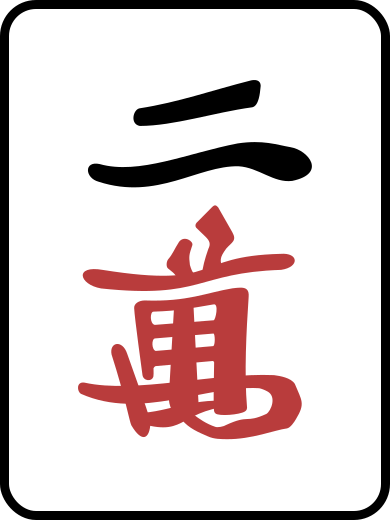
The 2m. It passed after the riichi without a ron, so it's genbutsu for the rest of the hand. The 5s doesn't count, because the player on your left threw it before the riichi. The you drew feels harmless, but the riichi player hasn't discarded one, so a or a can still take it. The same goes for your pair.
Count your safe tiles before you look at your hand
When the riichi stick hits the table, count your genbutsu first. A pair counts as two turns of folding, and a triplet as three. The tile you drew this turn counts too.
The count tells you whether a fold can last. My rule: three safe tiles by the middle of the hand, or two in the last turns, and you can fold all the way to the draw. You don't need one in hand for every turn left, because the table keeps making new ones. Each go-around, three tiles become genbutsu. One is the riichi player's own discard, and two are the tiles the other players throw without a ron. Some will match tiles you hold, and some you'll draw. The hand can also end early, when the riichi player wins by tsumo or someone else deals in.
Hold fewer, and your fold is what the fold price post calls "a push with worse tiles." Soon you'll be throwing tiles that can deal in anyway. That's the moment to weigh a push, which Push or fold teaches. When you do run out, When genbutsu runs out and The safety ladder rank the next-safest tiles.
East 3, turn 7. The player across declared riichi with the 8p. Before it they discarded the East, 1p, 9s, 5p, 5m, and 2s. Since then the player on your left discarded a South, with no ron.
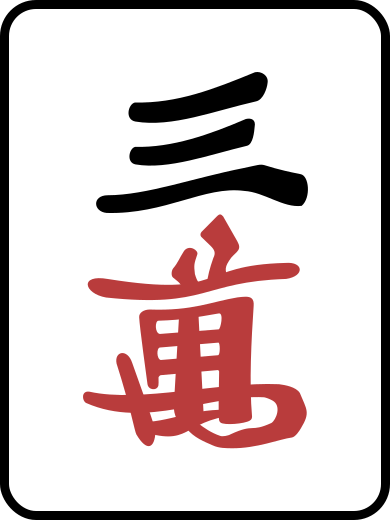
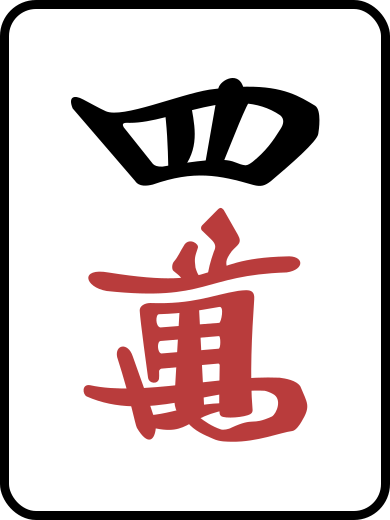
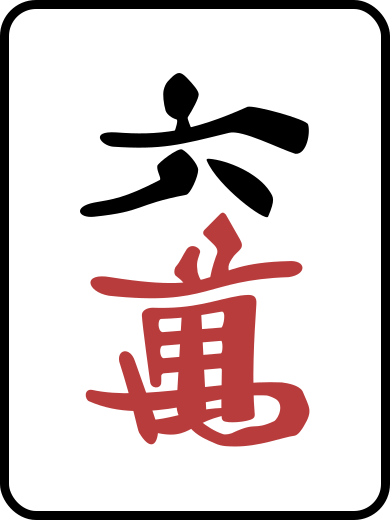
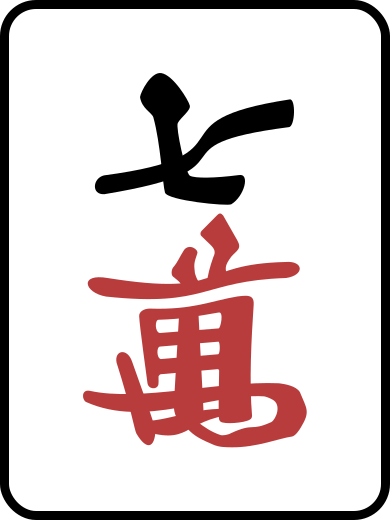
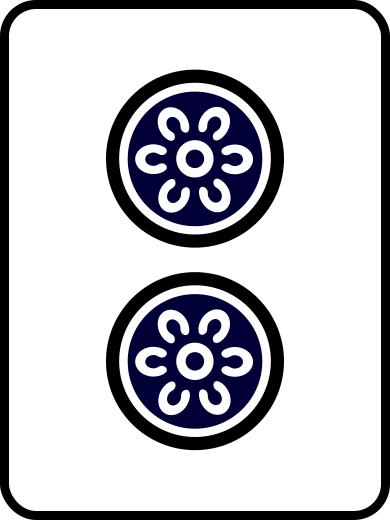
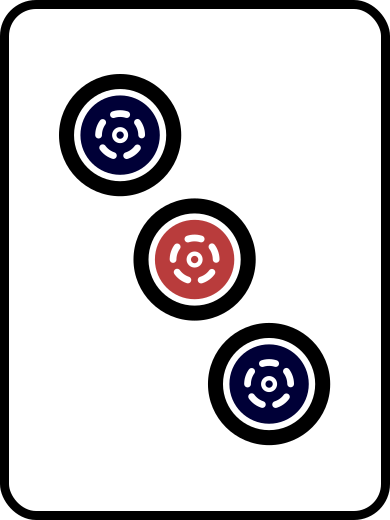
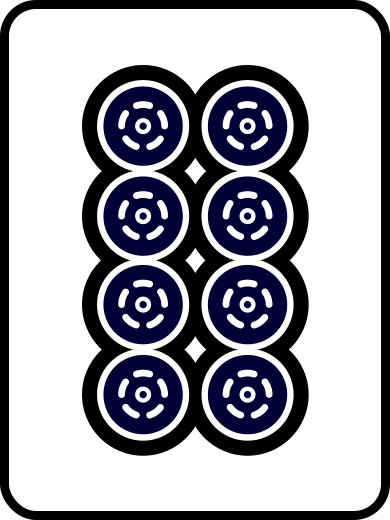
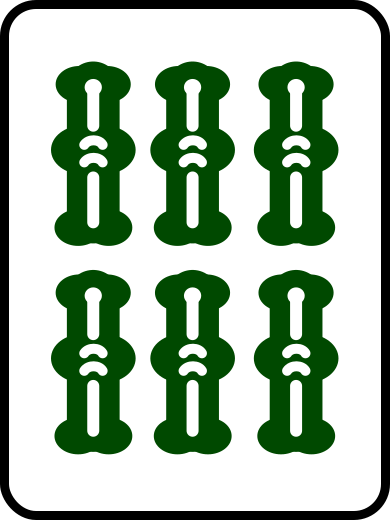
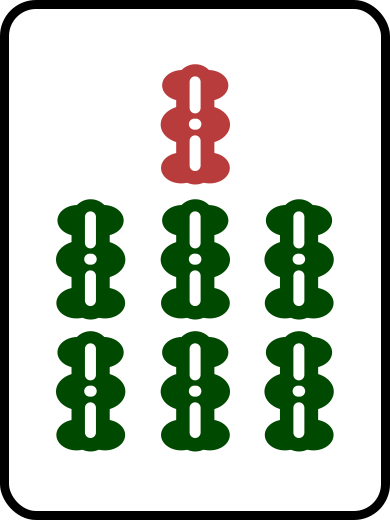
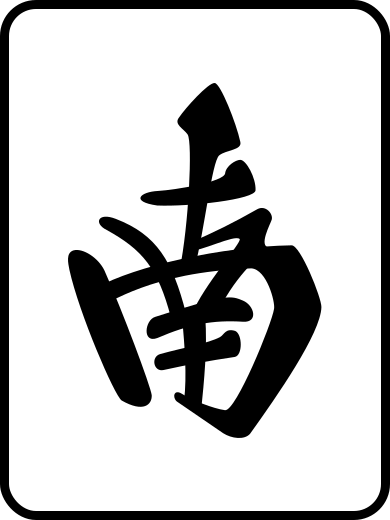
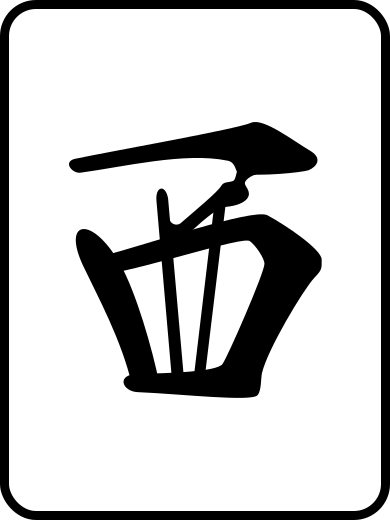
You draw the 5p. How many of your tiles are genbutsu against this riichi?
Show the answerHide the answer
Four
Four: the two 8p, the South, and the 5p you drew. The 8p is the riichi tile itself, so your pair is two turns of folding. The South passed after the riichi, and the riichi player threw a 5p of their own earlier. The West doesn't count, because they haven't discarded one. Four safe tiles at turn 7 is more than enough to fold to the draw.
Spend them in the right order
One genbutsu every turn, whatever it does to your hand
Once you fold, safety decides every discard. Break a finished run or split a pair. If it's genbutsu, it can go. Shape only breaks ties. When two tiles are safe against the same players, cut the one your hand needs least, because a fold that drifts back to tenpai on genbutsu discards can still win, or collect noten payments at the draw.
Draw a genbutsu, throw it straight back
Draw a tile the riichi player can't ron, and the default is to throw it at once. That's (ツモ切り, discarding the tile you drew). The safe tiles you counted stay in hand for later turns. Keep the drawn tile only when it beats one you hold. Either it's safe against more players (the next rule), or it's safe against the same players and fits your hand while the held one doesn't.
Save the tile that's safe against everyone
With two or more genbutsu against one riichi, throw the ones safe only against the riichi player first. Keep the ones the other two players have discarded too. A tile in all three opponents' discards can't deal in to anyone. You'll want it the turn a second player gets dangerous, with a second riichi or an open hand that looks ready.
South 2, turn 6. The player on your left declared riichi with the 2m. Before it they discarded the white dragon, 1p, 8m, 3s, and 6p. The player across and the player on your right have each discarded a white dragon too.
You draw the 3s and you're folding. What do you discard?
Tap the tile you would choose.
Show the answerHide the answer
Fold with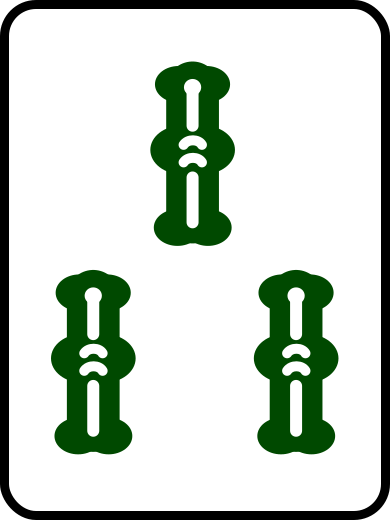
The 3s. Both tiles are genbutsu against the riichi, but the is also in the other two players' discards, so it's safe against everyone. Throw the 3s straight back and keep the white dragon for the turn someone else gets dangerous. Cut the white dragon now and your count is the same, but your last safe tile protects you from one player instead of three.
When a second player does declare, each riichi player has their own genbutsu, and only a tile on both lists is safe against both. Count again, against both. A tile on both lists now goes first, because the second threat you were saving it for has arrived.
East 4, turn 10. The player across declared riichi at turn 6, and you've folded since. Against them, the 8m and the 1p in your hand are genbutsu. Now the player on your left declares riichi with the 4s. Their earlier discards include a 1p, and no 8m. Nobody calls ron on the 4s, and nobody has discarded a 9m.
Two riichi now. What do you discard?
Tap the tile you would choose.
Show the answerHide the answer
Fold with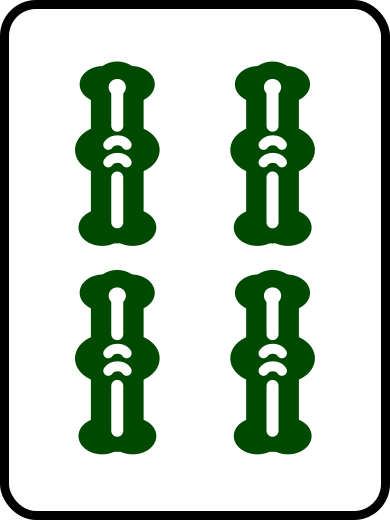
The 4s, or the 1p. The 4s is the new riichi tile, and the player across let it pass after their own riichi, so neither riichi player can ron it. The player on your right let it pass too, so this turn it's safe against all three opponents. The 1p is genbutsu against both riichi players for good, so it can wait. The 8m is the trap, safe against the player across only, and the 9m you drew is safe against nobody.
Three mistakes that turn a fold into a deal-in
When a fold goes wrong, the decision is rarely the problem. The tiles are, a few turns later.
ahead of genbutsu. A suji tile is three away from a genbutsu, like a 1m or a 7m when the riichi player has thrown the 4m. A on either one would also wait on the 4m, so the 4m in their discards makes it furiten. A 4, 5, or 6 needs a genbutsu on both sides, a 1 and a 7 for the 4. Suji stops two-sided waits and nothing else. One-sided waits and pair waits still win on it, while genbutsu loses to nothing. Throw genbutsu while you have it. The suji tile will still be there when you run out, and more tiles will have passed by then. When genbutsu runs out lists what each suji tile still loses to.
A fresh honor treated as safe. An honor with no other copy in sight, in a river, a call, the indicator, or your own hand, feels harmless because it can't make a run. It can still be a single wait or a pair wait. The safety order in the suji guide ranks a fresh honor below every suji tile, level with a 1 or 9 you have no read on at all.
Breaking the fold for a cheap shape. Three turns into a fold, you draw a tile that would put you back at 1-shanten, but only if you cut a tile the riichi player hasn't discarded. Keep folding. A cheap hand still needs a good draw to reach tenpai and another to win, against a player who has been tenpai the whole time. 1-shanten against a riichi covers the hands worth one risky tile, and a cheap, narrow one rarely is.
South 3, turn 7. The player on your left declared riichi with the 5p. Before it they discarded the North, 9p, 4m, East, 2s, and 8s. Nobody has discarded a red dragon.
You're folding. What do you discard?
Tap the tile you would choose.
Show the answerHide the answer
Fold with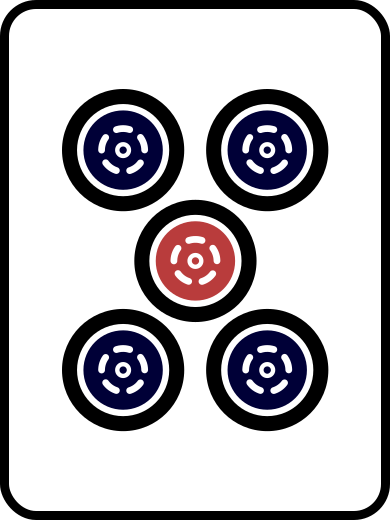
The 5p. It's a middle tile, the kind that looks most dangerous, and it's the riichi tile itself, so it can't deal in. The 1m and the 7m are suji of their 4m, but a single wait or a pair wait still takes them, and the 7m also loses to a 68m or an 89m . The red dragon is fresh, and the 9m you drew has no read at all, since they haven't thrown a 6m. Cutting the 5p breaks your 357p and leaves the hand four steps from tenpai, which a folded hand can afford.
Check the fold decision
Before you fold, check that you should. The push-or-fold calculator takes a tenpai or 1-shanten hand, its value, the turn, your seat, and the kind of tile you'd cut, and gives a verdict from push to fold.
Open the push-or-fold calculator