
A stick hits the table, and your next discard decides what your hand is for. Fold one that should push and you throw away a win you had earned. Push one that should fold and you pay for someone else's. A short checklist tells the two apart before your turn comes round.
Both mistakes cost points
Pushing means playing on for the win and cutting whatever the hand needs, safe or not. How to fold taught the safe option, and safe isn't free. A folded hand still pays its share of a tsumo, and payments (what you pay at a draw when you aren't ). In the site's fold prices from Tenhou's top room (), a who folds cleanly against a non-dealer's riichi loses 1,120 points on average from turn 8. The dealer loses 1,890, and a non-dealer folding against the dealer's riichi loses 1,750. Those analyses count turns from zero, so turn 8 is your ninth discard.
Dealing in costs more. A non-dealer's riichi declared at turn 8 that wins by averages 5,869 points, and a dealer's averages 8,179. That's about five clean folds for one deal-in, and it's why a weak hand folds.
The other mistake is quieter. In the same logs, a chase riichi (declaring after someone else has) on a (ryanmen) wins 48% of the time and deals in 16%. Weigh that against the fold price, and an average chase, one that pays about 7,300 when it wins, comes out about 3,300 points ahead. Fold it and nothing records the loss: no ron, no stick, no line in your stats. The omission bias post explains why that fold feels free.
So at every riichi, ask one question before you look at the tile: is my hand worth it?
Five questions, in order
Ask them top to bottom. Most decisions end at the first or the second.
- How far am I from tenpai? Count your shanten. It's the biggest input, and it can end the checklist on its own.
- If I'm tenpai, what's my wait? Two-sided or wider is a good wait. A one-sided wait (a , the middle wait; a , the edge wait; or a , the single wait) or a (shanpon) is a narrow one, what earlier lessons call a bad wait. Count the copies left, as Mahjong waits did. A two-sided wait down to 4 tiles plays like a narrow one.
- What's my price? What the hand pays on a ron, played the way you'll play it. A chasing a riichi usually declares too, so count riichi's . What a hand pays has the payments.
- Who declared, and am I the dealer? The dealer's riichi pays 1.5 times as much. As dealer, your own fold costs the most, and it gives up the deal.
- How many safe tiles do I hold? With three by the middle of the hand, or two late, a fold reaches the draw, and Defense before the riichi showed how to hold the first one before anyone declares. With fewer, folding means pushing worse tiles, so weigh the push properly.
The turn moves the line too. The later it gets, the fewer draws your wait has left, so a narrow wait needs more behind it, as the fold price post's dealer rule shows. In the last turns, a tenpai also collects noten payments, which The last turns prices.
The score matters most in . If a drops you a place and a win doesn't lift you one, fold, unless your own win is what stops theirs from passing you. All Last decisions works through both cases.
The attacker doesn't have to be a riichi. An open hand with three calls is tenpai 88% of the time at turn 8, in the open hand tenpai data. Treat it as Defending against open hands did, as a riichi without the stick.
The baseline: your shape decides most hands
Questions one and two give you a starting answer. Value, seat, and safe tiles move it from there.
| Your hand | Baseline | Why |
|---|---|---|
| Tenpai, two-sided or wider | Push, even when cheap against a non-dealer | Two-sided wins 48%, deals in 16%; wider does better |
| Tenpai, one-sided, pair wait, or 4 tiles or fewer | Push from about 2,000 against a non-dealer, about a against the dealer | Wins 32%, deals in 21% |
| 1-shanten | Fold, unless it's wide and pays: then one dangerous tile | Needs a draw before it can win |
| 2-shanten or worse | Fold | Two draws behind a hand that's already tenpai |
Two-sided tenpai: push. Value barely matters here. Against a non-dealer's riichi, a two-sided chase beats folding on even the cheapest hand in the game, and against the dealer's riichi a two-sided 2,000 still clears the higher bar. As dealer, push a two-sided tenpai against a non-dealer's riichi. The only reasons to fold are a tile that's plainly the wait or a score that can't take the deal-in.
Narrow tenpai: it needs a price. Against a non-dealer's riichi a narrow chase needs a hand worth about 2,000 to break even. Against the dealer's, the fold price post's rule wants a mangan, and the push-or-fold calculator sorts the hands below that by tile and turn. Tenpai against a riichi works through these lines.
1-shanten: one tile, if it's good. A good 1-shanten, wide and worth something, can push one dangerous tile. If the next discard would be a second, fold. A plain 1-shanten folds at once. 1-shanten against a riichi shows which hands count as good, and the few wide enough to play like tenpai.
2-shanten or worse: fold. You need two good draws to reach tenpai and a third to win, while the riichi player needs one. A mangan doesn't close that gap: it still has to reach tenpai, and every dangerous tile on the way can pay for the riichi instead.
An older shortcut pushed when two of three held: tenpai, a big hand, and a good wait. The Houou numbers replaced it. A narrow tenpai against a non-dealer's riichi needs about 2,000, not a big hand.
One note on timing. The shuhari post keeps players below Mahjong Soul's Master rank folding against every riichi while they learn to fold cleanly. It starts the two-sided push at Master and saves narrow pushes for Saint, where you can read the tile you cut. Learn the checklist anyway: it shows which of your folds cost the most.
Say your wait and your price
The checklist only works if you run it before your fingers pick a tile. So make one habit of it: against a riichi, say two things before every discard, your wait and your price. Out loud at home, under your breath at a parlor.
East 2, turn 8. You're South. West, a non-dealer, declared riichi two turns ago, and their discards include an 8s but no 4p. You draw the 5s.
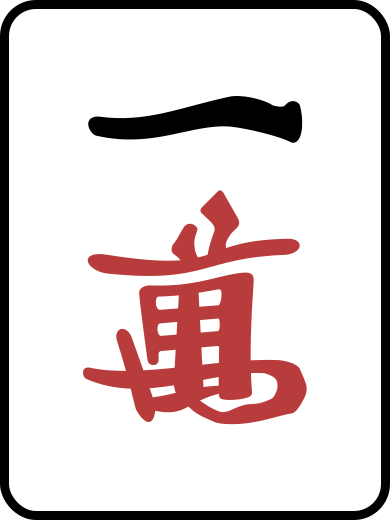
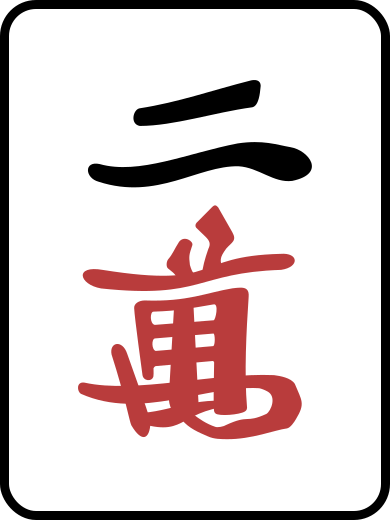
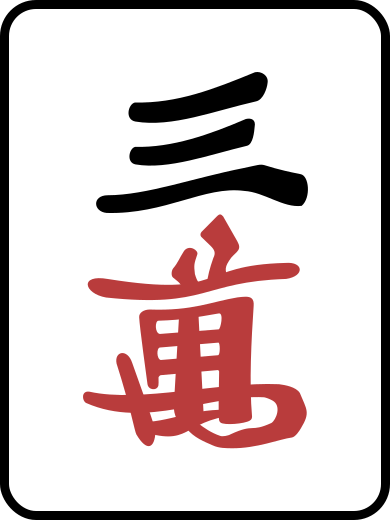
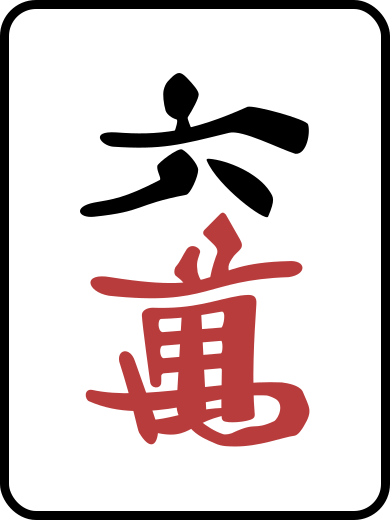
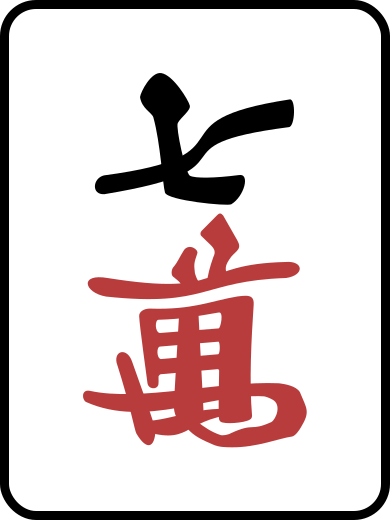
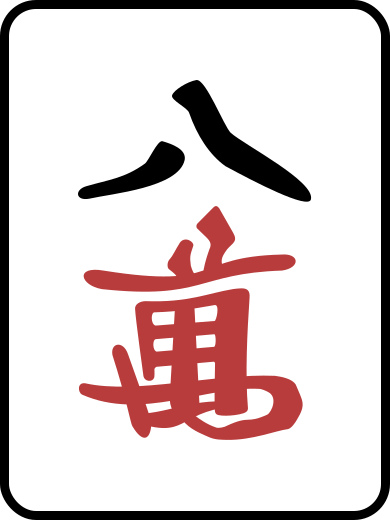
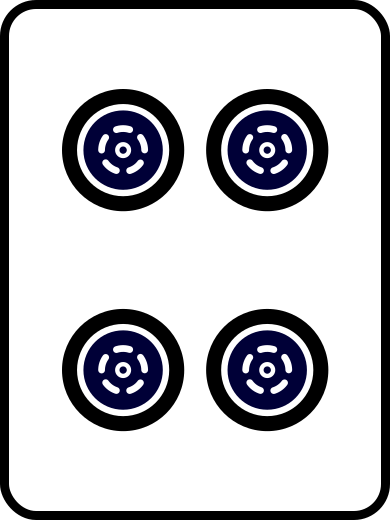
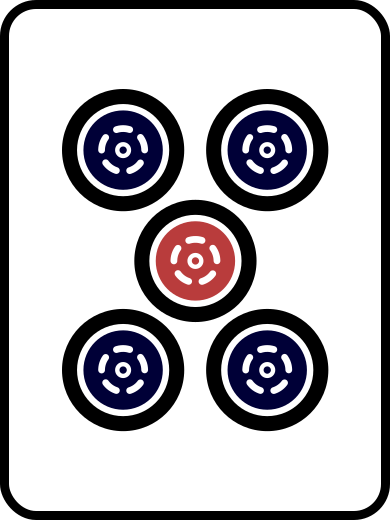
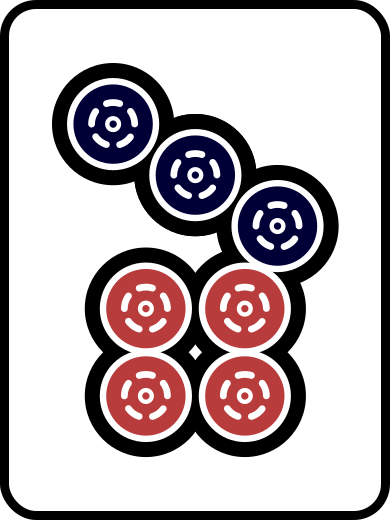
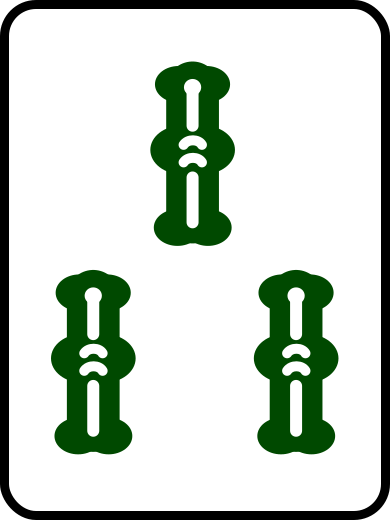
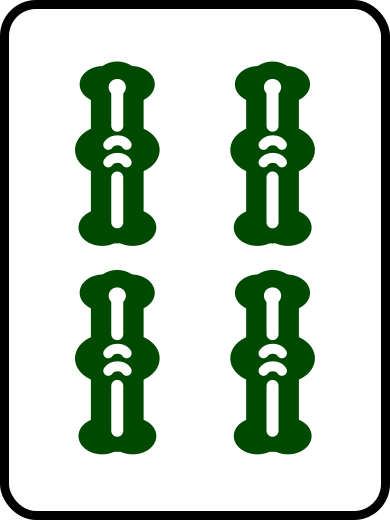
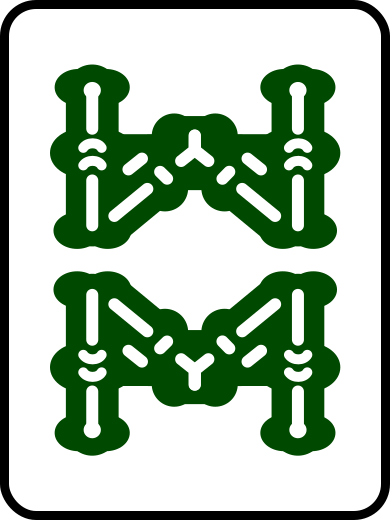
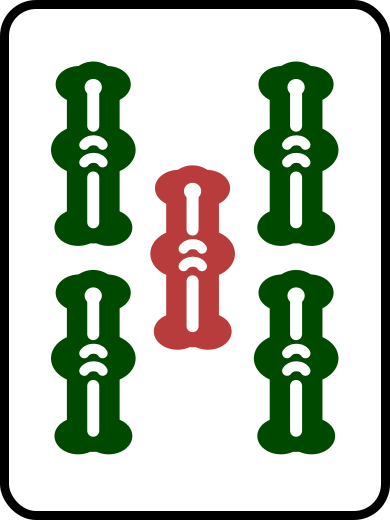
Cut the and you're tenpai on 3p and 6p. Run the questions. Tenpai. Two-sided, up to 8 tiles. Riichi and : 2,000 on a ron. A non-dealer declared, and you aren't the dealer. Two safe tiles, the 8s pair, one short of what a fold wants by now. Say it: "Two-sided, 2,000." Against a non-dealer's riichi that line pushes. Cut the 7p, a middle tile with no , and declare.
Had the draw been useless, the hand would sit at 1-shanten on 16 tiles, worth 2,000. That's a plain 1-shanten, and it folds. Saying "two-sided, 2,000" keeps a good hand from folding on reflex. Saying "kanchan, 1,000" keeps a cheap one from pushing out of pride.
The calculator turns the checklist into a chart. Run your close calls through it after each session.
Practice
Say the wait and the price before you pick.
East 3, turn 9. You're the dealer. The player across, a non-dealer, declared riichi at turn 6. Their discards include a 9m, and no 1s or 7s.
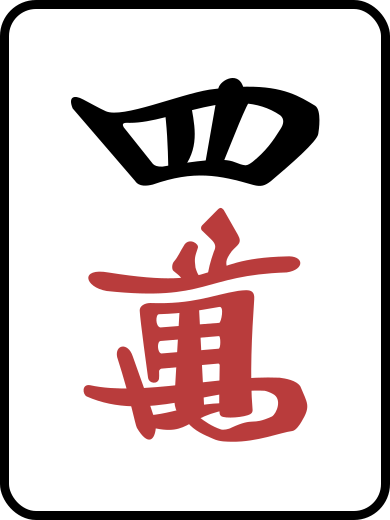
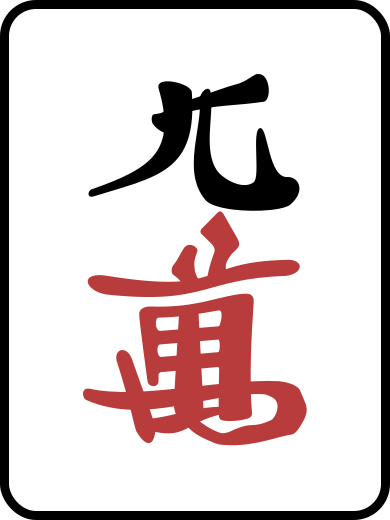
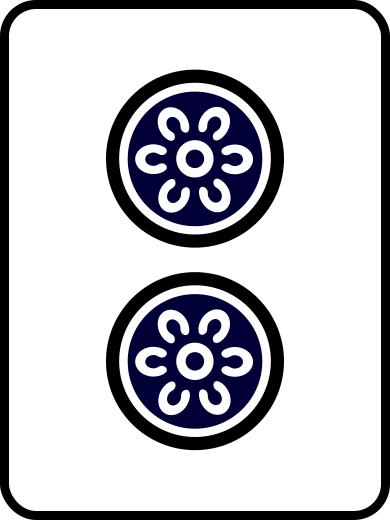
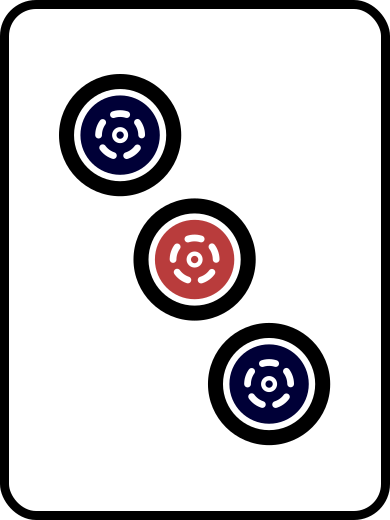
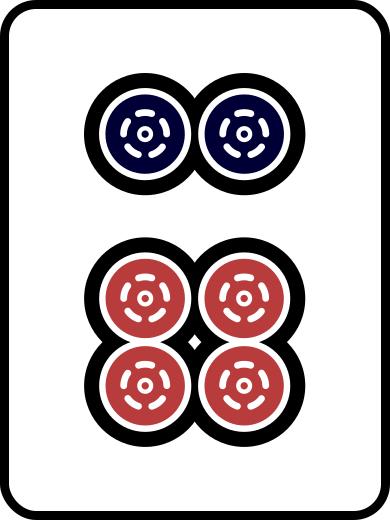
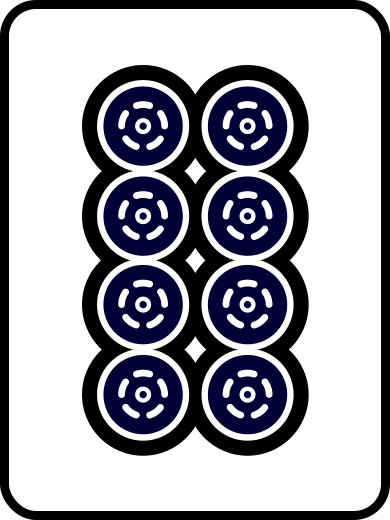
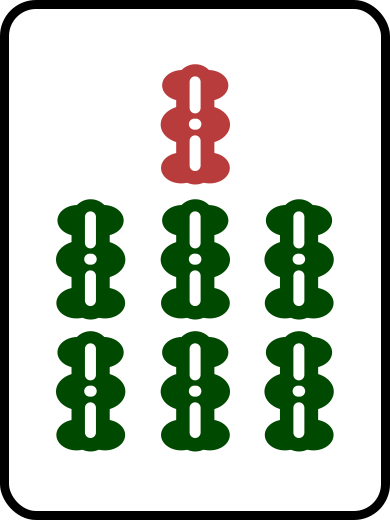
You draw the 7s. Cut the 4s for tenpai on 1p and 4p, or fold?
Show the answerHide the answer
Push
Push. "Two-sided, 2,000": the 777s triplet rules out pinfu, so it's riichi only, and the dealer's 1 han 40 fu pays 2,000. As dealer, a two-sided tenpai pushes against a non-dealer's riichi unless the tile is plainly their wait, and a 4s with no suji is only a risk. Folding with the 9m pair would cost about 1,900 points and the deal, for a hand that wins about half the time it chases.
South 2, turn 8. You're not the dealer. The player on your left, a non-dealer, declared riichi at turn 6. Their discards include a North and an 8s, and no 6p.
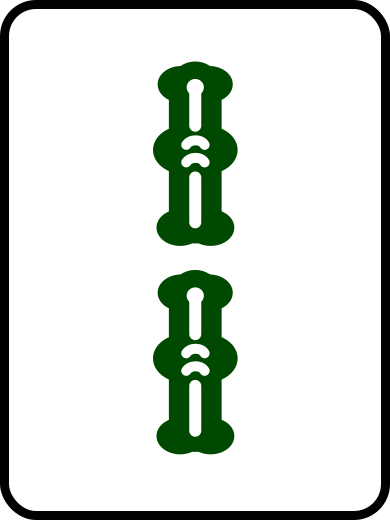
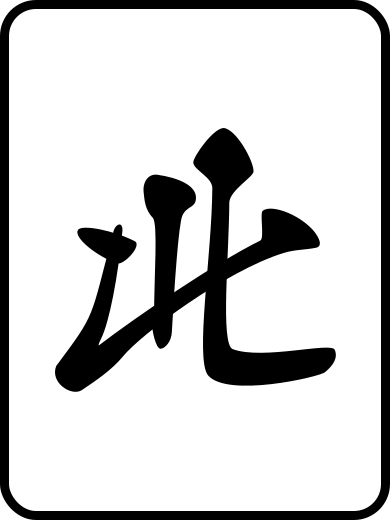
You draw the 6p. Push or fold?
Show the answerHide the answer
Fold
Fold. Question one ends it: the hand is 2-shanten. Building means cutting the 3p, a middle tile with no suji, for a hand worth riichi and maybe pinfu. You need two good draws to reach tenpai and a third to win. You hold four safe tiles, the North pair and the 8s pair, enough to fold to the draw.
South 1, turn 10. You called chi for 678s. The dealer declared riichi at turn 8. Their discards include a 2m and an 8p, and no 1s or 7s. Two 5m are already in the discards.
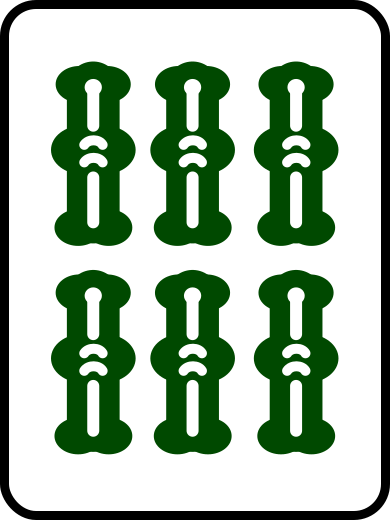
You draw the 4s. Throw it and stay tenpai on the 5m, or fold?
Show the answerHide the answer
Fold
Fold. "Kanchan, 1,000": open on a middle wait is 1 han 30 fu, and only two 5m are left. Against the dealer's riichi even a 2,000 hand has to win 1.7 times as often as it deals in, and a narrow chase manages about 1.5. This hand pays 1,000 on two tiles. Your 2m and two 8p are (tiles the riichi player can't ron), enough to fold to the draw.
East 4, turn 9. You're not the dealer. The dealer declared riichi at turn 7. Their discards include a 2s, and no 5p.
You draw the 6s. Cut the 8p for tenpai on 2p and 5p, or fold?
Show the answerHide the answer
Push
Push. "Two-sided, 3,900": riichi, tanyao, and pinfu make 3 han 30 fu. Against the dealer's riichi, a two-sided wait clears the bar from 2,000. Folding the 2s pair would still cost about 1,700 points and throw away a hand that wins about half the time it chases. The 8p is a dangerous tile, and it's the price of a good wait.
East 2, turn 7. You're not the dealer. The player across, a non-dealer, declared riichi at turn 5. Their discards include a 2p and an 8s, and no 5m.Dora
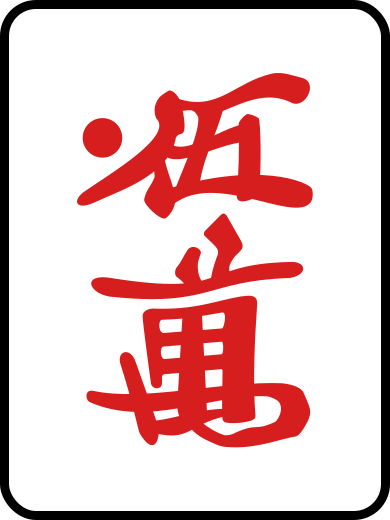
You draw the 8m. Riichi, tanyao, and three dora would make a mangan. Push or fold?
Show the answerHide the answer
Fold
Fold. Question one ends it again: 2-shanten. The mangan pays only if the hand reaches tenpai and then wins, and getting there means cutting the 8m, a tile with no suji, then more tiles like it. Fold with the 8s pair and the 2p, three genbutsu. Keep the 3s pair: if the fold drifts back to tenpai on safe tiles, those dora still pay.
Check your close calls
The push-or-fold calculator turns this checklist into a chart. Pick who declared, your seat, shape, value, the turn, and the tile you'd cut, and it gives the verdict.
Open the push-or-fold calculator