
The declares , and the cut your 1-shanten hand wants is a live 8, one with no read. Push or fold gave a good 1-shanten one dangerous tile to spend. Two counts tell you whether yours is good: the tiles that make you , and what the hand pays. When the 8 costs too much, there's a third play between pushing and folding. You weave, and keep the hand moving with safer cuts.
Turn your tenpai tiles into a chance per draw
At 1-shanten every draw is a yes or a no, as the 1-shanten lesson put it, and your is the list of yeses. Multiply your tenpai tiles by five sixths and you get your chance of tenpai on each draw, in percent. That's the rule in What folding costs: 18 tiles is 15%.
Five sixths of a percent is about one copy in the 122 tiles you can't see: 136, minus your 13 and the indicator. The 1-shanten lesson's 1% fits fuller rivers, so five sixths is the cautious version.
Count only the copies left. This hand holds two (two-sided shapes), and the 1s is a loose (isolated) tile.
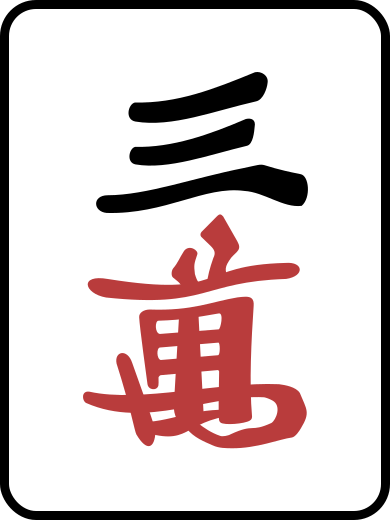
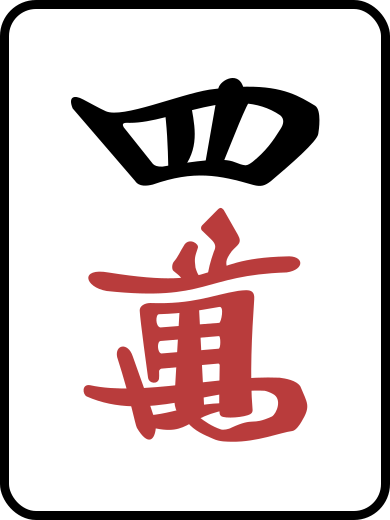
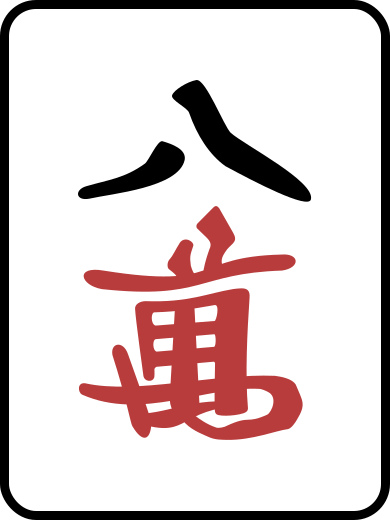

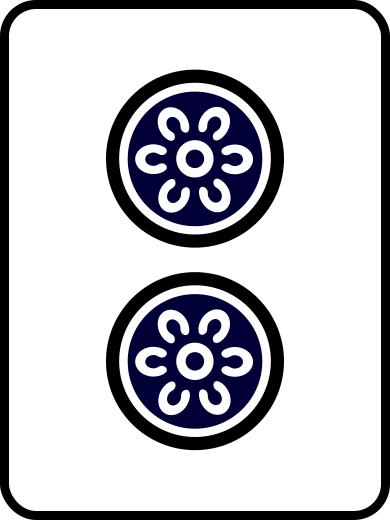
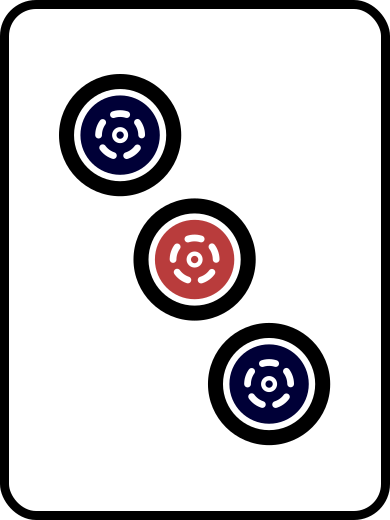
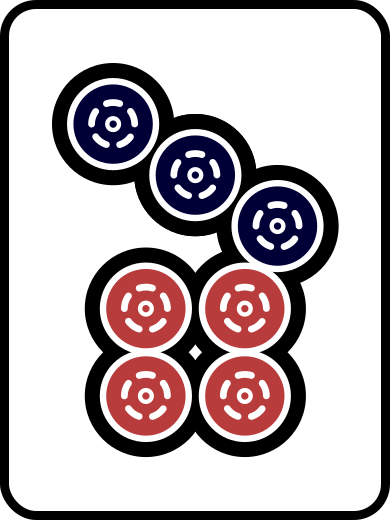
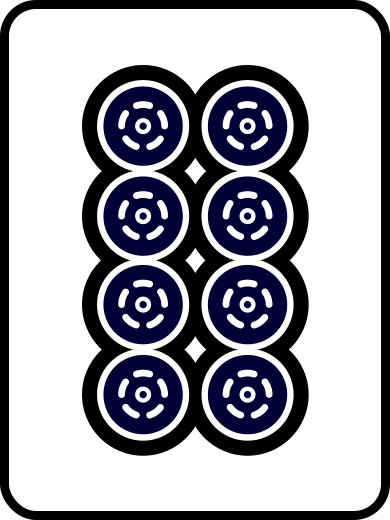
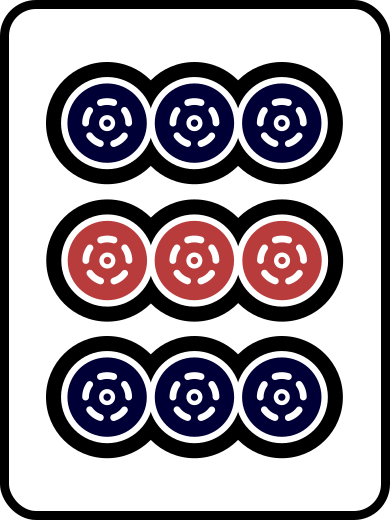

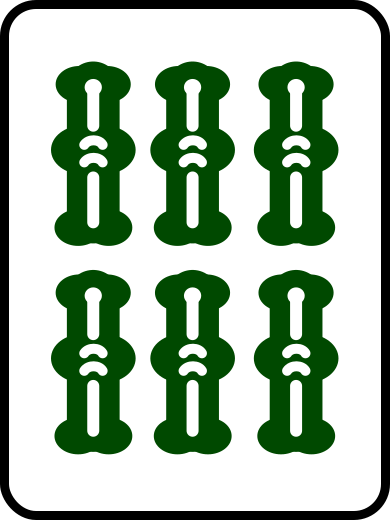
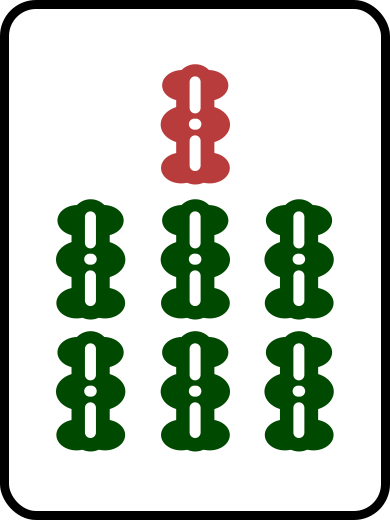
The 2m, 5m, 5s, and 8s make you tenpai: 16 tiles on paper, 13% a draw. With two 2m and an 8s in the rivers, you're down to 13 tiles and 11%.
Three widths, three answers
| Tenpai tiles | Chance per draw | Typical hand | Against the riichi |
|---|---|---|---|
| Under 18 | Under 15% | Two ryanmen (16 at most), or a ryanmen and a | Fold unless it's big. At 10% a push needs about 18,000 |
| 18 to 24 | 15% to 20% | The complete 1-shanten (20) | Push one dangerous tile if the hand pays about 7,000 |
| Over 24 | Over 20% | Headless (about 28) and floating-tile shapes (often 36 and up) | Play it like tenpai if it pays more than riichi and |
Under 15%: fold unless it's big. The hand above pays riichi and pinfu, 2,000. Near 10%, a push needs about nine times that.
15% to 20%: one tile, if the hand pays. In the middle turns the bar is around 7,000, and it climbs as the width falls toward 15%. Riichi, pinfu, and two dora make 7,700. The same shape with riichi and pinfu alone folds.
Over 20%: play it like tenpai, if it pays. A headless hand from Headless and floating-tile 1-shanten takes about 28 tiles, near one draw in four. The floating-tile shapes reach 36 or more, about one in three. What folding costs plays these like tenpai, pushing anything short of a tile that's plainly their wait.
The push-or-fold calculator is stricter, because its 1-shanten rows assume one more live 2, 3, 7, or 8 at tenpai. At riichi and pinfu alone, it leans fold or folds most live tiles in the middle turns, even on these shapes. A or two more makes most of them a close call or a lean push.
Against the dealer's riichi every line moves up, since a costs 1.5 times as much. As the dealer, they move down, because folding gives up the deal.
As Push or fold noted, the shuhari post has players below Mahjong Soul's Master rank fold every riichi, and its first exception is a two-sided tenpai. A 1-shanten push breaks the fold rule further than that. Below Master, fold these hands, and treat the Push, Weave, and answers here as the play you're growing into.
East 3, turn 10. You're North. The player across, a non-dealer, declared riichi at turn 8. Their river includes a South, and nothing else that makes a tile in your hand safer.
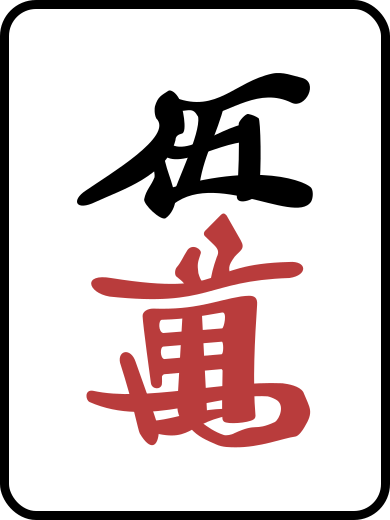
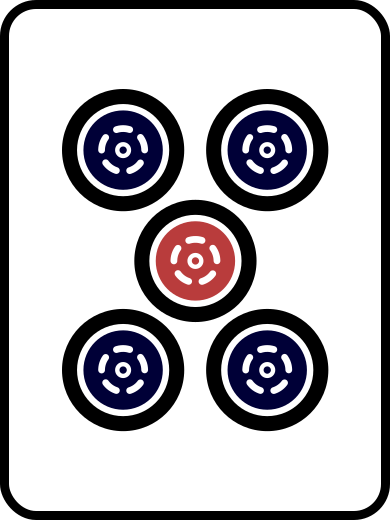
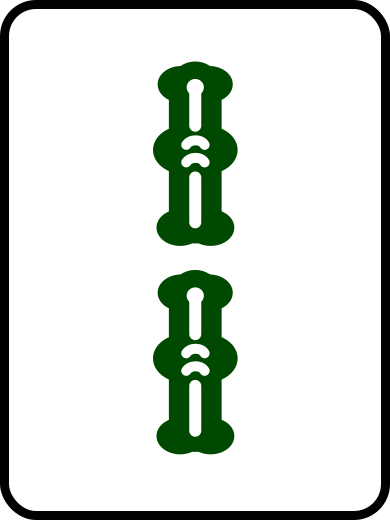
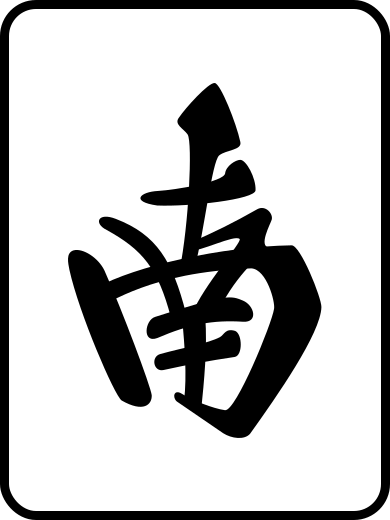
You draw the 6s. Push it, weave, or fold?
Show the answerHide the answer
Fold
Fold. 15 tiles make tenpai, about 12% a draw, and 8 of them leave a kanchan or a . Most tenpais pay 1,300, riichi alone, far short of the 7,000 even a 20% hand needs. There's no weave: the South pair is your only safe tile, and cutting one drops you to 2-shanten. That's the fold, with two turns of .
East 2, turn 6. The player on your left, a non-dealer, declared riichi at turn 4. Nothing in their river makes any tile in your hand safer. Your only dora is the red five.
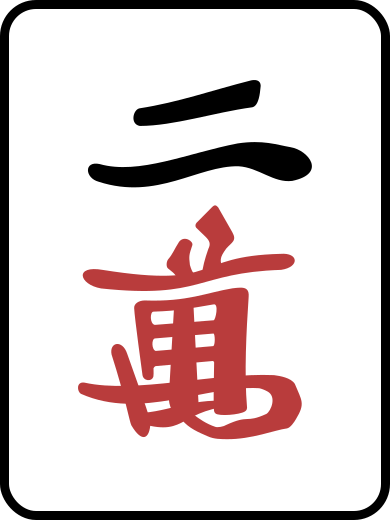
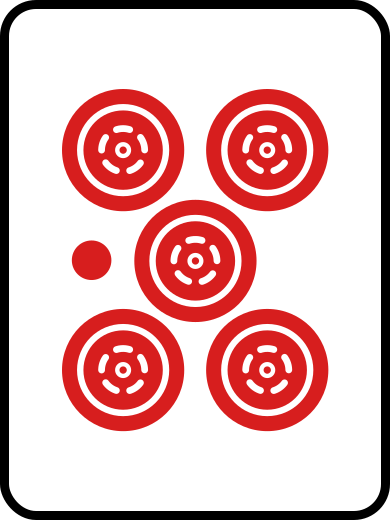
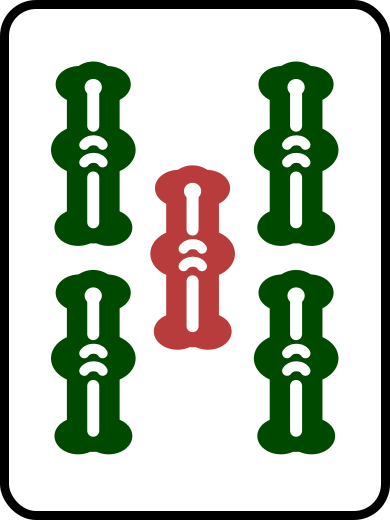
You draw the 6m. Push it, weave, or fold?
Show the answerHide the answer
Push
Push the 6m. 52 tiles make tenpai, about 43% a draw. Riichi and the red five pay 2,600 by at worst, and lifts most tenpais to 3,900 or more. The next-best cut, the 7s, is as live and costs 4 tiles, so there's no weave. Folding throws away a hand this fast. The calculator's row for a four-tile run and a floating tile calls a live 6 this early a lean push at three han, a push at four.
One dangerous tile is the budget
Dangerous here means a 2 to 8 you have no read on, the bottom rung of the safety ladder. Genbutsu, a tile they can't ron, costs nothing. A tile costs less than a live one, and the calculator gives it its own columns.
The rule: push one dangerous tile from a good 1-shanten, then see what you draw. A tenpai draw changes the question: Tenpai against a riichi judges the cut. If you're still 1-shanten and the next cut would be a second dangerous tile, don't make it. Weave if a safe cut keeps you 1-shanten, and fold if none does. The one-tile budget is for the middle band.
South 1, turn 8. Neither of you is the dealer, and the player across declared riichi two turns ago. The 2p is dora, and your 5m is red. You draw an 8s, and nothing in their river makes it safer.
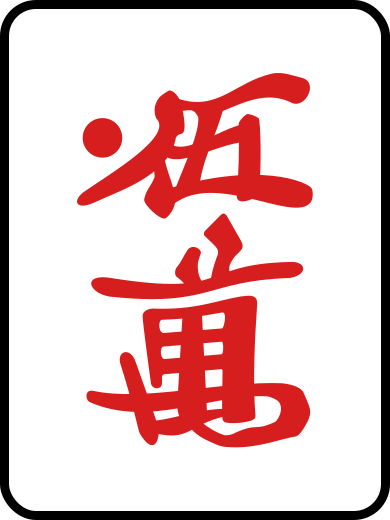
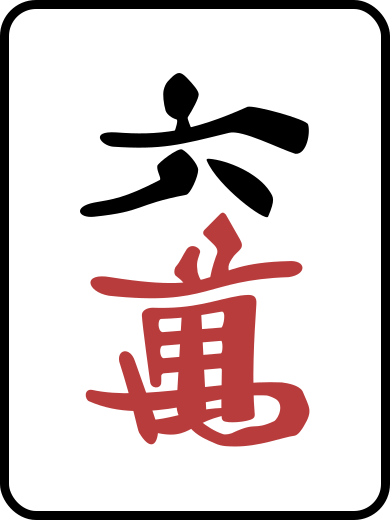
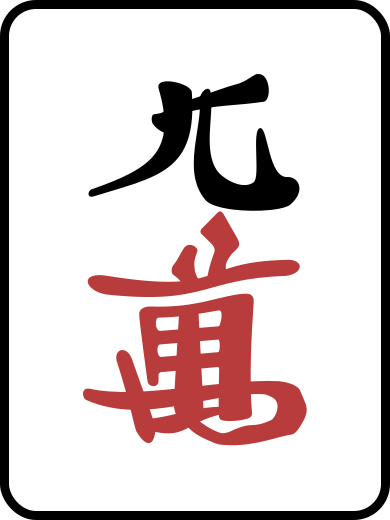
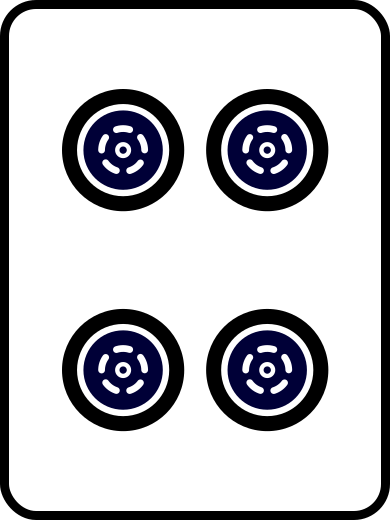
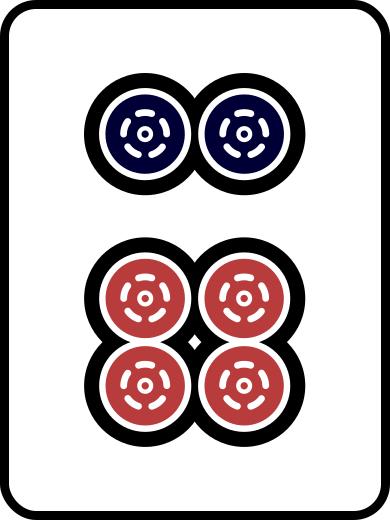
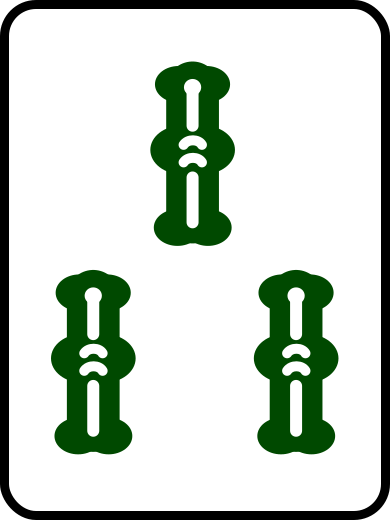
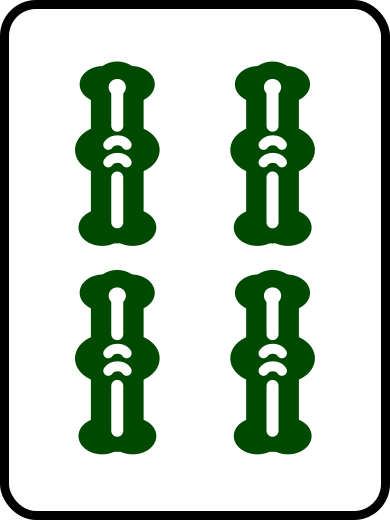
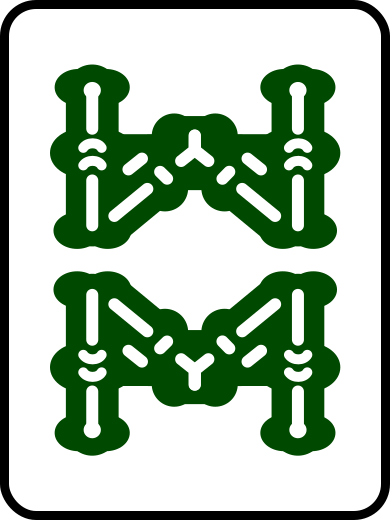
This is the complete 1-shanten: two ryanmen and two pairs, with the 33s sharing a tile with the 34s. Twenty tiles make tenpai, 17% a draw. Sixteen of them end in riichi, pinfu, and two dora for 7,700, and the other four make a triplet that pays 5,200. Push the 8s. The calculator's perfect 1-shanten row, its name for this shape, calls a live 8 a lean push here.
One tile, not two. Each push buys one draw, at 17% about a one-in-six shot, and tenpai usually costs one more cut. Push twice and you may throw three dangerous tiles to enter a race the riichi player started first.
South 2, turn 10. The player on your right, a non-dealer, declared riichi at turn 7. Their river includes a 9m. Last turn you pushed a live 8s. Nothing else in their river makes the 4s or a tile in your hand safer.Dora 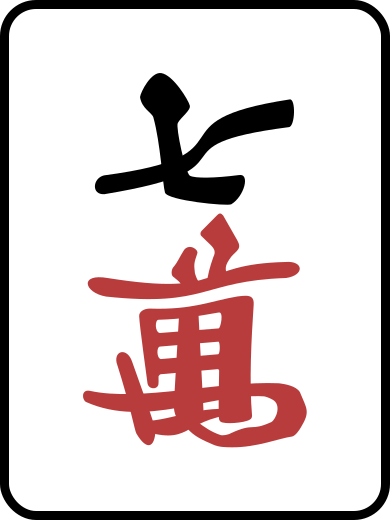
You draw the 4s. Push it, weave, or fold?
Show the answerHide the answer
Fold
Fold, starting with a 9m. At 19 tiles and 7,700 on most tenpais, this hand earned one dangerous tile, and the 8s spent it. The 4s would be a second, for one more draw at about 16%. The calculator calls a live 4 here a close call, so the spent budget decides. No weave keeps the hand: a 4p from the 445p keeps 16 tiles, but it's as live as the 4s. Breaking the safe 9m pair drops you to 2-shanten, so play it as a fold, two turns of genbutsu.
Weave: keep the hand, skip the dangerous tile
Mawashi-uchi (回し打ち), weaving, is the third choice. You keep playing for tenpai but refuse the dangerous cut, and pay in width by cutting a safe tile your hand can spare.
Back to the dora hand. After your 8s, the riichi player throws a 3s. Then you draw a 7s, live and no use to you.
- Push the 7s and you keep 19 tiles (the river's 3s took one). But it's your second dangerous tile.
- Weave: cut a 3s. It's genbutsu now. The 67p and the 34s still take 16 tiles, with the 99m as your head. That's 13% a draw, and every tenpai left pays 7,700.
- Fold, starting with the same 3s.
Weave. The 3s costs three tiles, but no dangerous tile goes out. The 7s becomes your spare. It leaves only when it buys tenpai, and then it's a tenpai push. If your next draw is another useless live tile, one of the two has to go this turn or the hand breaks. That's a fold.
Spend the cheap weaves first
- A safe spare. When the tile your hand doesn't need is safe, cut it and keep the dangerous draw as the new spare. You lose no tiles, but you spend a fold tile. That's why Defense before the riichi keeps the spare safe.
- A safe tile from a compound shape, like the 3s above. You lose a few tiles and stay 1-shanten. Shapes worth keeping has the shapes.
- A safe pair or block. This usually drops you to 2-shanten. That's a fold in disguise.
Count your safe tiles before you weave, as How to fold did.
South 3, turn 9. The player across, a non-dealer, declared riichi at turn 7. Their river includes a 7m and a 9p, and nothing that makes the 5m safer.Dora
You keep the hand going without cutting the 5m. Which tile do you cut?
Tap the tile you would choose.
Show the answerHide the answer
Weave with
The 7m. It's genbutsu, and the 78m and the 23s still take 16 tiles, with the 99p as your head. Every tenpai is two-sided and pays 7,700 with riichi, pinfu, the red five, and the dora. The 5m becomes your spare. The 9p is genbutsu too, but it breaks your head, and the 77m can't be a head and a ryanmen at once, so you'd drop to 2-shanten. Cutting the 5m keeps 18 tiles, two more, for a tile with no read.
Take the tenpai a call offers
A call can skip the step. When you can pon or into tenpai and the open hand keeps a yaku, take it if that tenpai would push by the lines in Tenpai against a riichi: a two-sided wait, or a narrow one worth about 2,000 against a . What folding costs puts it in one line: a cheap tenpai beats a rich 1-shanten against a riichi.
The may pay more, but it still needs a tenpai draw and a tenpai cut. Open tanyao covers which calls keep a yaku.
A call into a tenpai that would still fold, like a cheap one-sided wait, only leaves you three fewer tiles to fold with. And if the score needs a big closed win, as it can in , the cheap hand doesn't do the job.
East 4, turn 9. The player across, a non-dealer, declared riichi at turn 7. Their river includes a 7s. Now the player on your left discards a 6p.
Pon the 6p and cut the 7s for tenpai on 3s and 6s, or let it pass?
Show the answerHide the answer
Pon
Pon. Open tanyao with the red five pays 2,000, the wait is two-sided with 8 tiles, and the 7s you cut is genbutsu. Pass, and you still need a tenpai draw: 15 tiles once this 6p is gone, about 12% a draw, and the cut after it may be live. Closed, the hand pays 3,900 to 7,700, but only once it gets there.
Check a 1-shanten in the chart
Pick your 1-shanten shape, its value, the turn, and the class of tile you'd cut. The calculator gives one of five verdicts against one riichi, from push to fold.
Open the push-or-fold calculator