
The player on your left calls a , then a . No stick goes down, so nothing announces that the hand is ready or what it pays. Fold to every call and you give back hands you should win. Ignore the calls and sooner or later you deal into a you never priced.
The calls and the discards answer three questions: is the hand ready, what does it pay, and which tiles can it win on?
Count the calls to judge if it's ready
A riichi tells you the hand is , the fact the safety ladder took for granted. An open hand doesn't, but its number of calls comes close. logs from Tenhou's top room show how often called hands are tenpai before anyone declares riichi (the open hand tenpai post has the full analysis). Turns count from zero, so turn 8 is your ninth discard.
| Turn | 1 call | 2 calls | 3 calls |
|---|---|---|---|
| 6 | 15.8% | 40.9% | 83.4% |
| 8 | 26.8% | 53.3% | 88.5% |
| 12 | 45.8% | 69.0% | 91.9% |
- One call: keep playing. At turn 8 the hand is tenpai about one time in four. An early pon says the player wants speed, not that they're close.
- Two calls: read the hand. At turn 8 it's a coin flip, so price it and find its dangerous tiles before you decide. Folding flat to it throws your hand away for nothing half the time.
- Three calls: treat it as a riichi. From turn 6 on, three calls is tenpai more than 80% of the time.
The kind of hand moves the odds. With one call at turn 8, a (value tile) hand is tenpai 28% of the time and a only 14%, because one-suit hands take time to collect. Discards move them too: a discard right after a call pushes them up, and an honor cut from the hand pushes them down. The post lists every tell, and the tool looks them up for any spot.
East 2, turn 8. Neither you nor the caller is the dealer, and the dora is the 1m. The player on your left called pon on the 8s at turn 5. Their early discards include the North, 9m, 1p, East, and West.
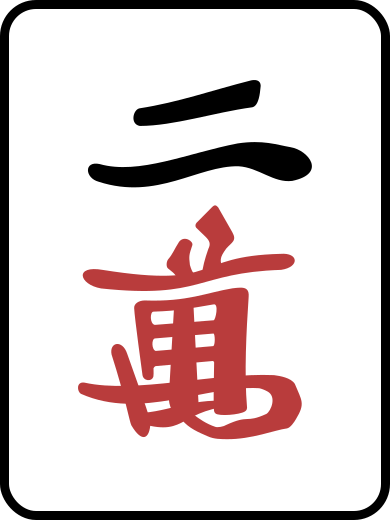
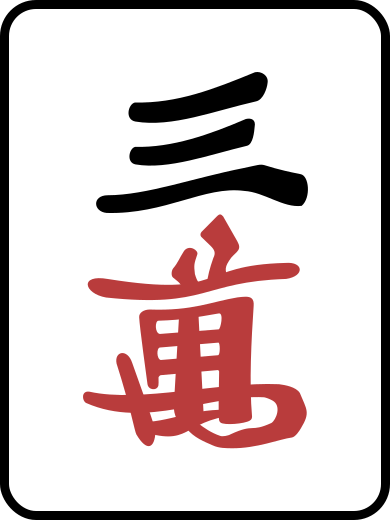
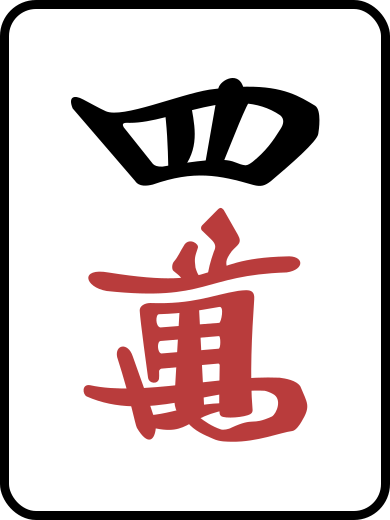
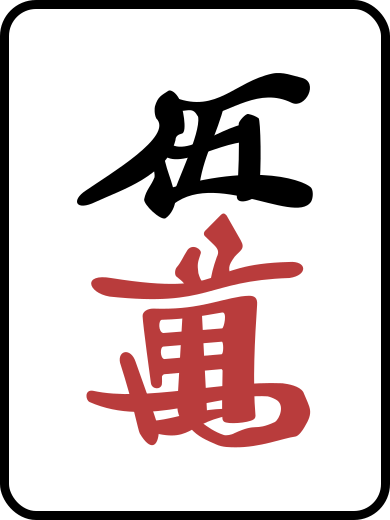
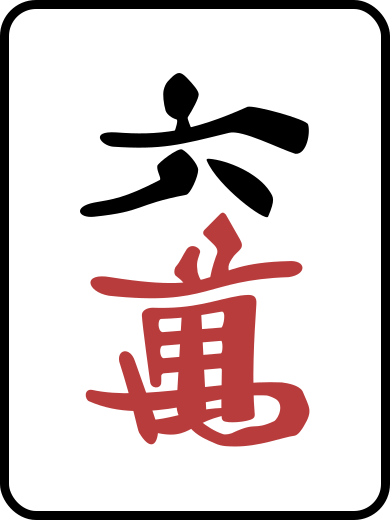
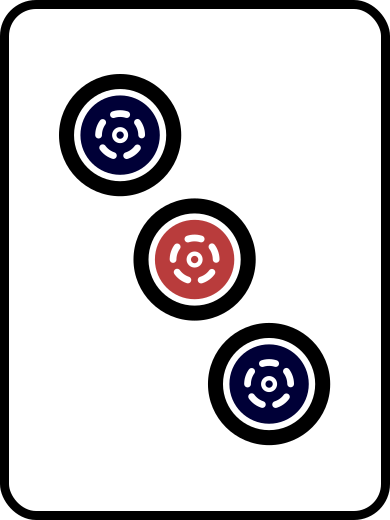
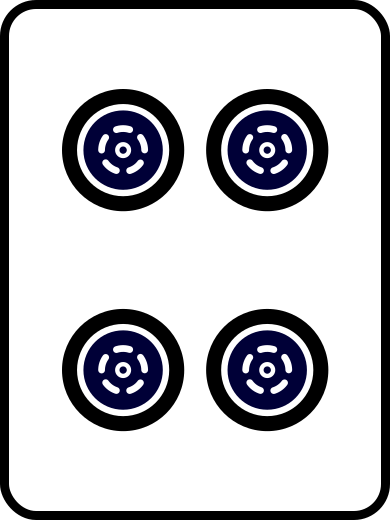
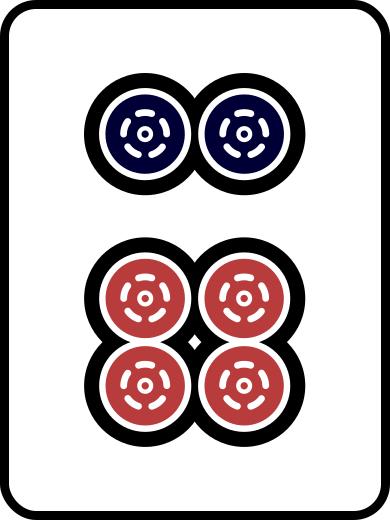
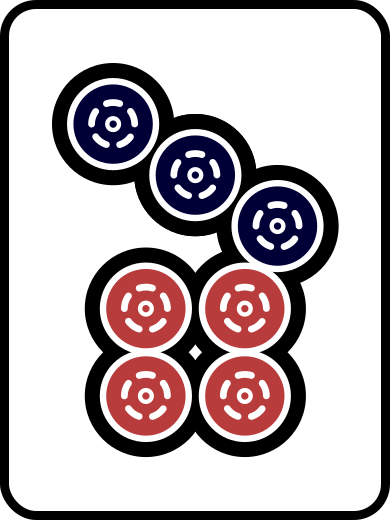
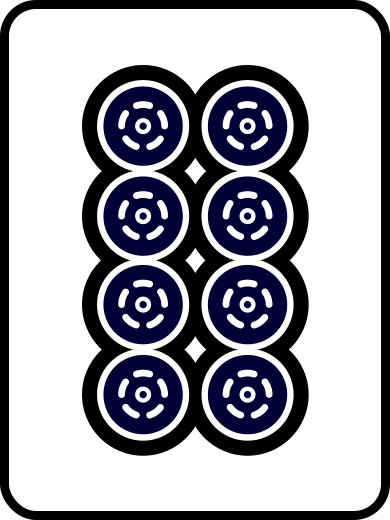
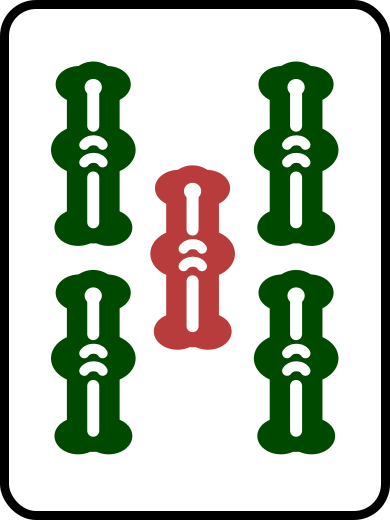
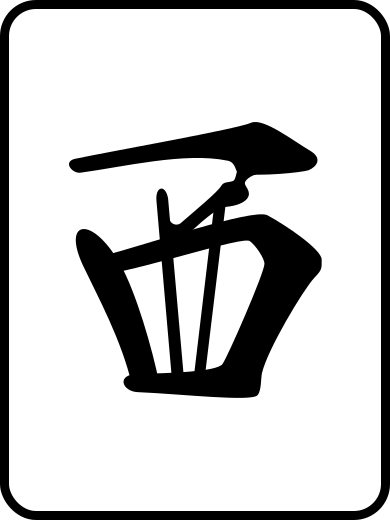
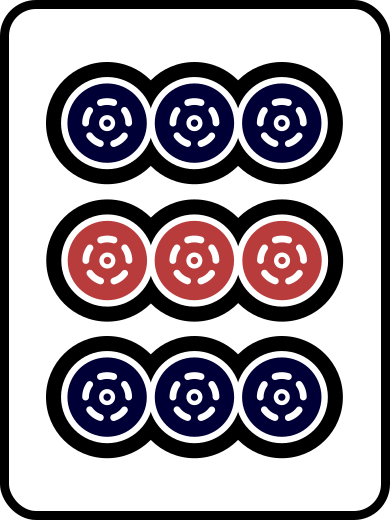
You draw the 9p. Fold, or keep playing?
Show the answerHide the answer
Keep playing
Keep playing. One call at turn 8 is tenpai about one time in four, and this one is cheap. An 8s pon after early reads as , which can't hold the 1m , so it likely pays 1,000 points, more with a hidden red five. Your hand is 1-shanten with 19 tiles, all leaving a for riichi and . Cut the 9p: it keeps all 19, a real tanyao can't win on it, and the West stays as a safe tile against the caller. Folding would throw the West now and break your hand soon after.
Price the hand from what it shows
An open hand shows most of its value in its calls, where a riichi hides it. Count the yaku, then every dora and red five in the called sets, then ask what could be hidden. An open hand usually counts 30 fu (Fu without counting), so the set the price.
| What you can count | Han | Dealer | |
|---|---|---|---|
| Tanyao or one value honor, no dora | 1 | 1,000 | 1,500 |
| The same with one red five | 2 | 2,000 | 2,900 |
| Honitsu plus a value honor | 3 | 3,900 | 5,800 |
| A dora pon plus any yaku | 4 | 7,700 | 11,600 |
| (full flush) | 5 | 8,000 | 12,000 |
Two rows decide most hands.
The bare tanyao or yakuhai hand. No dora in the calls means 1,000 points at least. Each or red five adds a han, so count the ones you can see: a copy in a river or in your hand is one the caller can't hold. A 1,000-point hand isn't worth folding a good hand to, even when it's tenpai.
The dora pon. It's three han before the yaku, so the hand is at least 4 han: 7,700 for a non-dealer, 11,600 for the dealer. One red five more makes a mangan, so price it as one from the moment it goes down. Don't fold to it yet: it's slower than it looks. At turn 8 a hand that opened with a dora pon is tenpai 16% of the time, against 26% after a plain pon, because a dora pair is worth calling from any shape (the first call). Keep building. The second call is the alarm.
How much to risk is the job of Push or fold, later in the course.
South 1, turn 8. You're not the dealer, and the dora is the 6s. The player across called pon on the 6s at turn 3, then chi on 234m at turn 8, and cut a 7p from the hand right after. The North is in their discards.
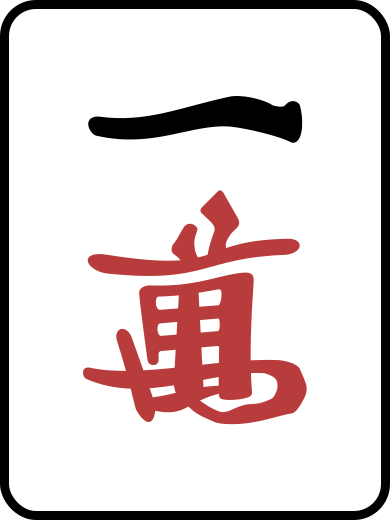
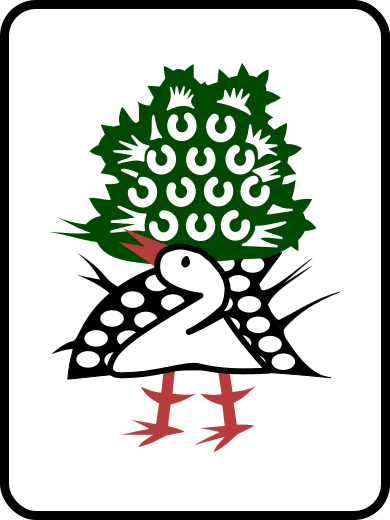
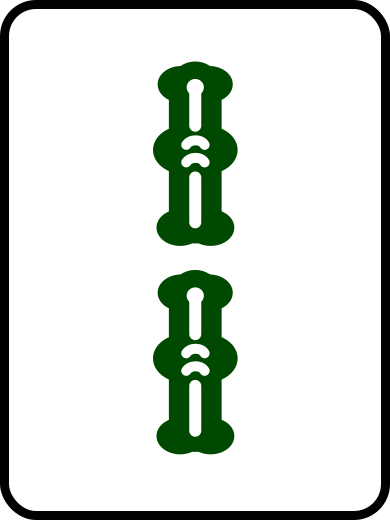
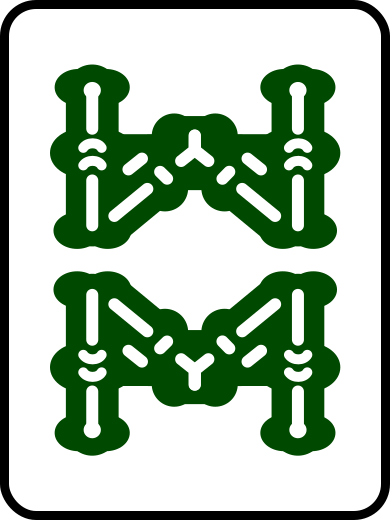
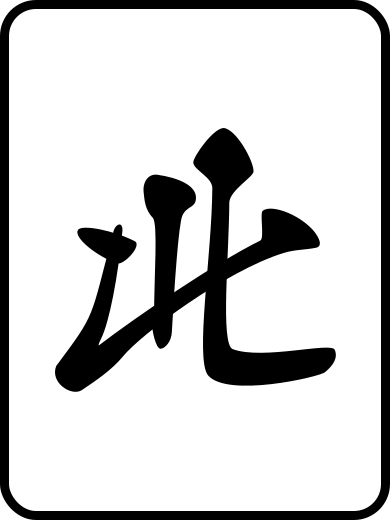
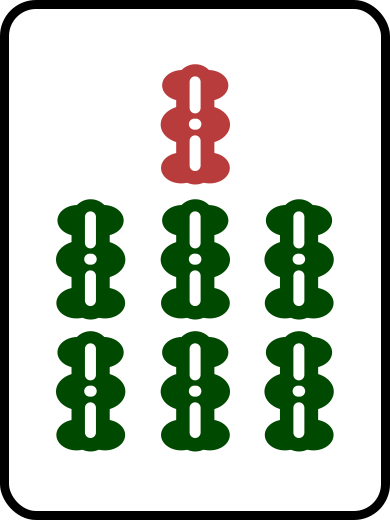
You draw the 7s. Fold, or keep playing?
Show the answerHide the answer
Fold
Fold. Two calls at turn 8 is a coin flip, and a discard right after a call lifts it to 59%. The price settles it: a dora pon is at least 7,700, and the 234m and the 6s say tanyao. Your hand is 2-shanten with three one-sided shapes, no dora, and riichi as its only sure yaku. The 7s barely helps: with three 6s in their pon, your new 78s has one 6s left. Both answers throw the North this turn: it's your widest cut and sits in their discards. The fold shows from the next draw, when you throw safe tiles instead of building.
South 3, turn 8. Neither you nor the caller is the dealer, and the dora is the 9p. The player on your right has three calls: chi 456m, pon 333s, and chi 678p. They cut the North, 1m, white dragon, and 9s early. All three red fives are in other players' discards.
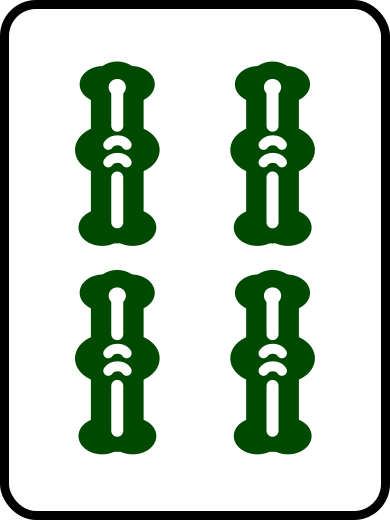
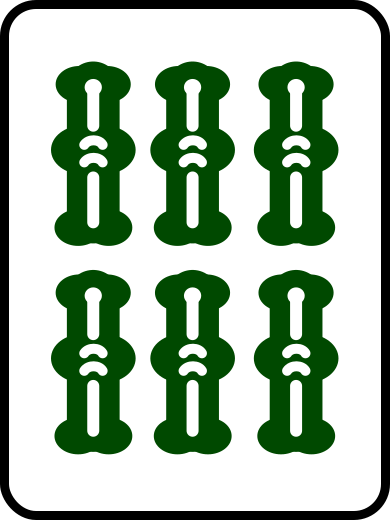
The 2m gives you tenpai on 2p-5p if you cut the 6p. Fold, or keep playing?
Show the answerHide the answer
Keep playing
Keep playing. Three calls at turn 8 is tenpai 88% of the time, so assume it's ready, then price it. Every call is a 2 to 8, tanyao can't use the 9p dora, and all three red fives are elsewhere: probably 1,000 points. Cut the 6p and riichi. Pinfu and tanyao on a two-sided wait pay 3,900 with riichi, against the caller's 1,000. Folding breaks a good tenpai to dodge a cheap hand. Below Mahjong Soul's Master rank, treat a three-call hand like any riichi and fold: this push is for Master and up.
Find the tiles it can win on
An open hand's yaku narrows its waits. Find the few tiles that matter and hold those.
- A honitsu can only win on its suit and on honors, so the other two suits can't deal in to a real flush. The sign that it's ready: they start cutting their own suit from the hand.
- Tanyao needs every tile to be a 2 to 8, the winning tile included (Open tanyao). A 1, a 9, or an honor can't deal in to a real tanyao hand. "Real" is the catch: calls in 2s to 8s can hide a value-honor triplet, or a pair of one on a , so a value honor nobody has cut stays dangerous.
- Several pons point to (all triplets). It waits on a shanpon (pair wait) or a (single wait), so is no help. The tiles nobody has shown are the dangerous ones, honors most of all.
- A fresh honor dora is in 14.4% of open-hand waits, twice the 6.9% riichi rate, mostly as a pair wait. One copy in any river drops it to 2.5% (dora danger). Against an early caller, hold it until a copy shows.
East 3, turn 10. The player on your right called pon on the white dragon at turn 4 and chi on 789p at turn 7. Every tile they discarded was manzu or souzu until their last discard, a 2p cut from the hand. Nobody has declared riichi.
You draw the 8m. Which tile do you discard?
Tap the tile you would choose.
Show the answerHide the answer
Cut the 8m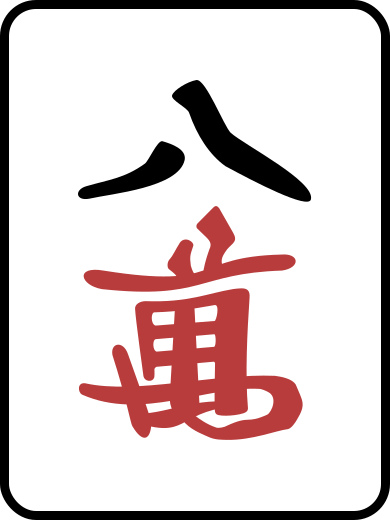
The 8m. A pon, a chi, and a river with no pinzu until now: that's a pinzu honitsu, and cutting its own suit from the hand says it's likely ready. It pays at least 3,900, the honitsu plus the dragon. A real flush can't win on the 8m. The 9p is the widest cut, 29 tiles to the 8m's 22 once you count the 9p in their chi, but it's the one suit this player wants. Most of the gap is bad waits: 23 of the 9p's draws make a two-sided tenpai, and all 22 of the 8m's do. If the 9p must go later, it goes at tenpai, when you're paid for the risk.
Keep a safe tile for the caller too
, the tiles a player can't , works against a caller too. Their own discards are safe against them for the whole hand, because a winning tile in a player's own discards makes them , riichi or not. Suji of those discards rule out two-sided waits for the same reason (When genbutsu runs out), but fewer open hands wait two-sided: 45% at tenpai, against 59% of riichi hands (the suji guide).
As How to fold showed, a tile that passes after a riichi stays safe all hand: a riichi player who lets a winning tile go is furiten until the hand ends. A tile that passes a caller is safe only until their next turn, when their furiten ends and their hand can change.
With a riichi and a caller on the table, keep a second column. Column one: tiles safe against the riichi. Column two: tiles safe against every hand with two or more calls. A tile in both columns goes first. When nothing fits both, weigh the two threats: the riichi is certain to be tenpai, while the two-call hand is a coin flip and often cheap. The target fixation post walks through a fold like this.
South 2, turn 10. You're folding. The player across declared riichi at turn 7, and their discards include the 9m and the 1p, and no 3p. This go-around the player on your right cut a 4s, nobody called ron, and the player on your left has discarded since. The player on your left has called pon on the red dragon and chi on 678m, and their own discards include the 9m and the 3p, and no 1p. Neither of them has discarded a white dragon.
You draw the 2s. Which tile do you discard?
Tap the tile you would choose.
Show the answerHide the answer
Fold with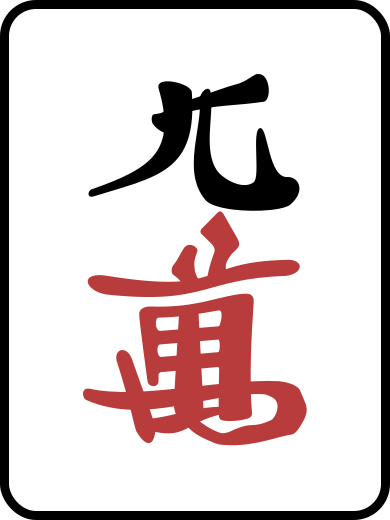
The 9m. It's in the riichi player's discards and in the caller's own discards, so neither can ron it, now or later. The 1p is safe against the riichi only, and the 3p against the caller only. The white dragon is no fold tile: neither player has cut one, so a single or pair wait can still take it. The 4s is the trap. It passed after the riichi, so the riichi player can't ron it for the rest of the hand. Against the open hand it was safe until their next turn, and they've discarded since.
Check a caller's tenpai odds
Pick the calls, the turn, the hand type, and one tell. The tool shows how often Houou hands in that spot were already tenpai.
Open the tenpai odds tool