
The fourth copy of a tile arrives and the client offers you a . Pressing it feels free, and sometimes it is. Other times the new lands in the player's hand, and you're the one who turned it over for them.
A kan comes in three kinds, which How a hand is played introduced. A closed kan () declares four tiles you drew yourself. An (kakan, also called shouminkan) puts the fourth tile on a you already called. An (minkan, also called daiminkan) calls the fourth copy from a discard while you hold the other three. The glossary has the short version.
What a kan gives you, and what it gives everyone
Every kan does three things.
- A . You draw from the , then discard. If that tile completes your hand, you win by rinshan kaihou, 1 , scored as a tsumo.
- More fu. A quad scores four times the same triplet. Of simples, an open quad is 8 fu and a closed one 16. Of terminals or honors, 16 and 32. The scoring guide lists every case.
- A new dora indicator. Its dora counts for every player. A closed kan turns it over right away. On Tenhou and Mahjong Soul, an open or added kan turns it after your discard, and the dora guide has other rule sets. A player who wins after riichi also turns over the tile beneath it, an indicator for one more dora: the kan ura dora.
The dora belongs to the table, and that's where kans go wrong.
Ask who the new dora helps most
Everything a kan gives you pays only if you win: the fu, the replacement tile, and your share of the new dora. The rest of that dora pays whoever wins instead. So a kan helps the player most likely to win. If that's you, kan. If it's someone else, you've handed them a shot at an extra han, and a riichi player gets a second shot from the kan ura dora.
Here's how to apply it:
| The table | Your hand | Kan? |
|---|---|---|
| Nobody has declared | Yes, if the kan keeps your wait and your yaku | |
| Nobody has declared | 1-shanten with two-sided shapes () | Yes, closed or added |
| A riichi | Not tenpai | No |
| A riichi | You're in riichi too | Yes, if the wait stays the same, unless it's bad and the tile safe |
| A riichi | Open tenpai | Only a closed kan of a dangerous tile, or a big jump on a good wait |
Two or more steps from tenpai, you're rarely the closest player. In the first few turns nobody is close, so a kan on a hand of two-sided shapes is fine; after that, skip it. Count an open hand with three calls as a riichi: the open-hand tenpai post treats it like a riichi without the stick.
Against a riichi, also ask whether the fourth tile is safe. Four copies in your hand make an honor safe, not a number tile: a 46p still waits on the 5p. In tenpai, a dangerous fourth copy of a closed triplet is a reason to kan, even from an open hand: the kan keeps it out of your discards. If it's safe, let it go in your own riichi on a bad wait. From open tenpai on a good wait, kan it only for a big jump, such as a closed dragon kan that lifts an open 2-han hand from 30 fu to 60: 2,000 to 3,900 for a .
One row has few exceptions: someone has declared and you're not tenpai. You'll usually fold that hand, as rule 4 of Your first ranked games sets out, and even when you push, the new dora and kan ura mostly feed the riichi. The four tiles you hold may also be your safest discards.
South 2, turn 9. The player across declared riichi three turns ago. You're North, so the West is a guest wind.
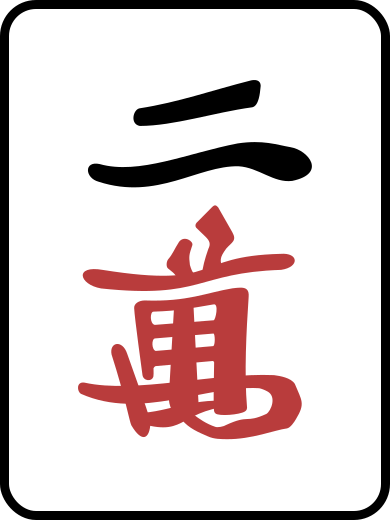
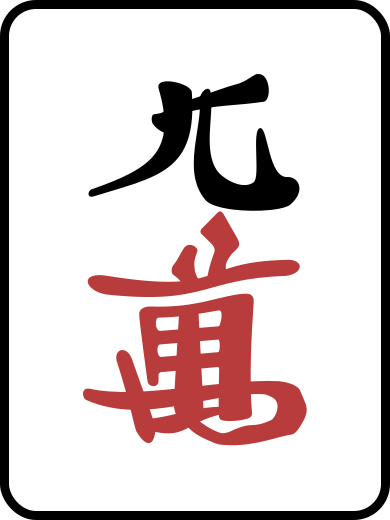
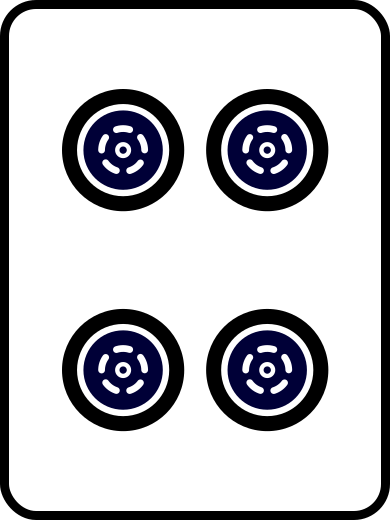
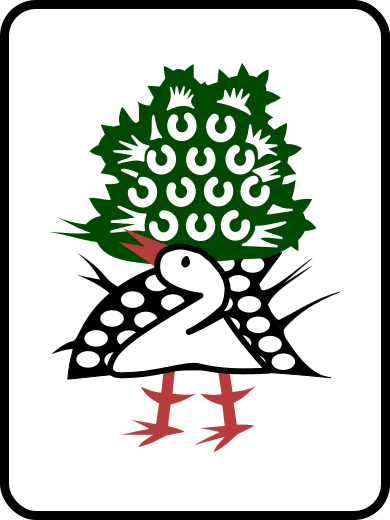
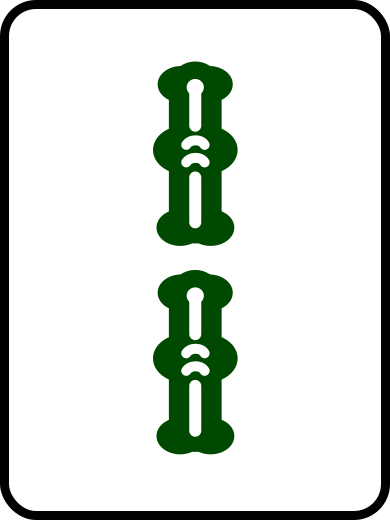
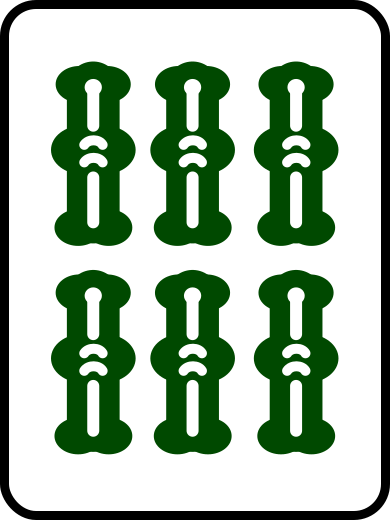
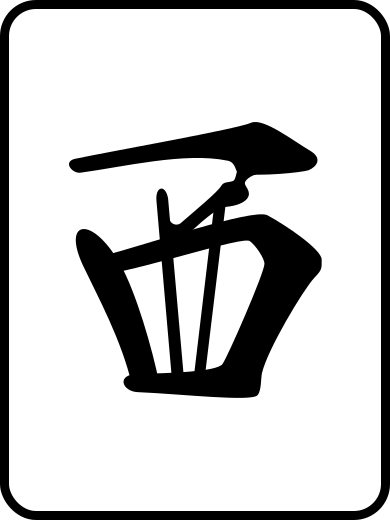
You draw the fourth West, two steps from tenpai. Kan or not?
Show the answerHide the answer
Don't kan
Don't kan. The riichi player is tenpai and you're two steps away, so the new dora would mostly help them. You're folding this hand. With all four Wests in your hand, only a hand can win on one, so they're about as safe as tiles get: throw the one you drew and keep three for the turns ahead. The kan would trade those four tiles for one replacement tile you know nothing about.
Closed kan: the most fu, and the hand stays closed
A closed kan keeps riichi open to you, and its quad scores the most fu. It also rescues a wasted draw: the fourth copy usually does nothing for your hand, and the kan swaps it for a fresh tile.
After riichi you can still make one, but only when your wait stays exactly the same. You declared riichi on this hand as a non-dealer, nobody else has declared, and the fourth 9p arrives.
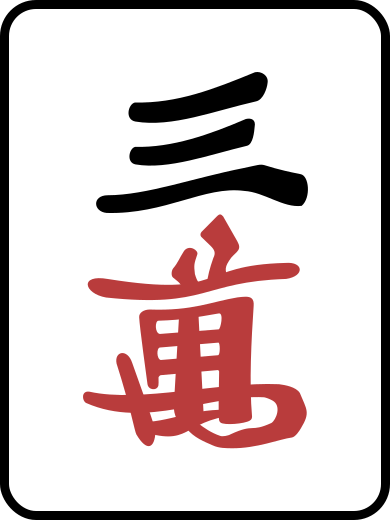
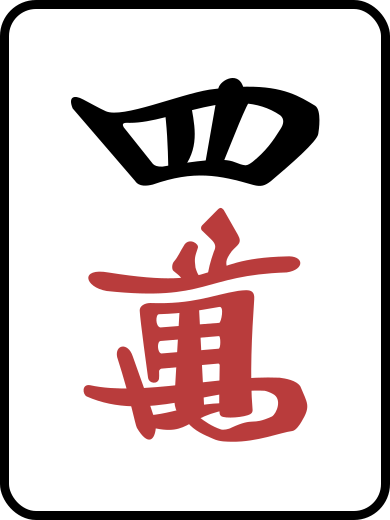
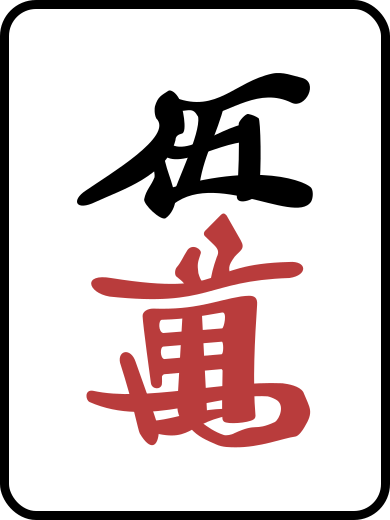
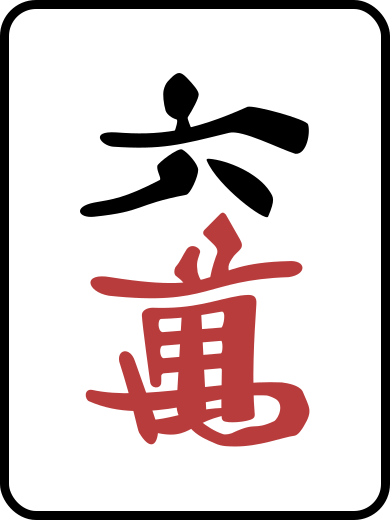
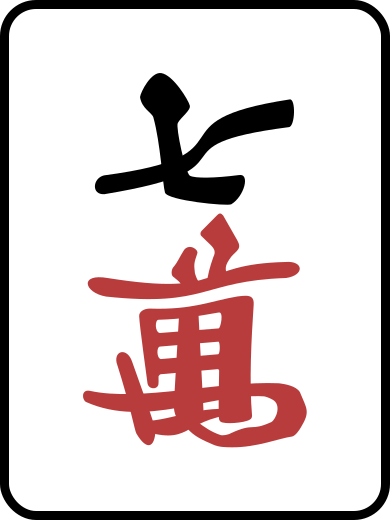
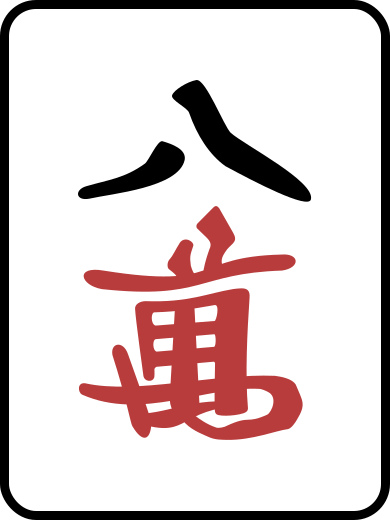
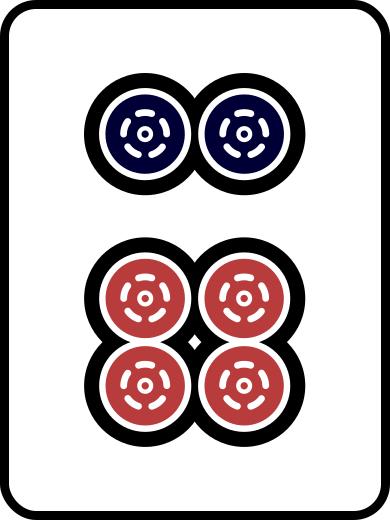
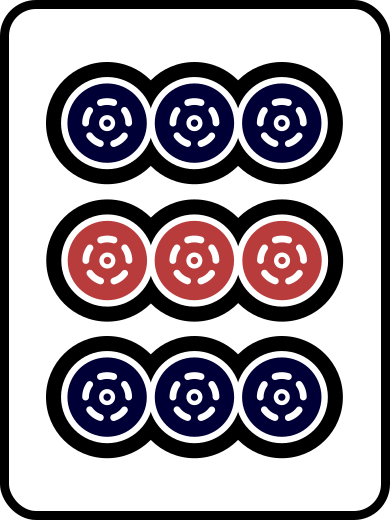
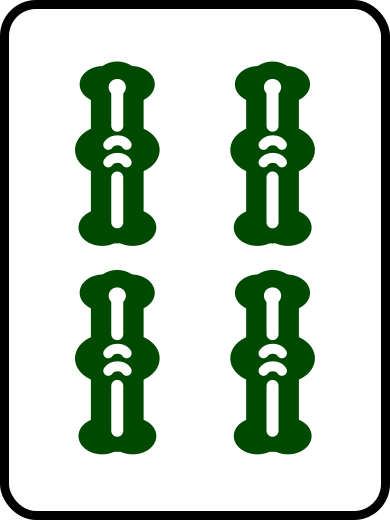
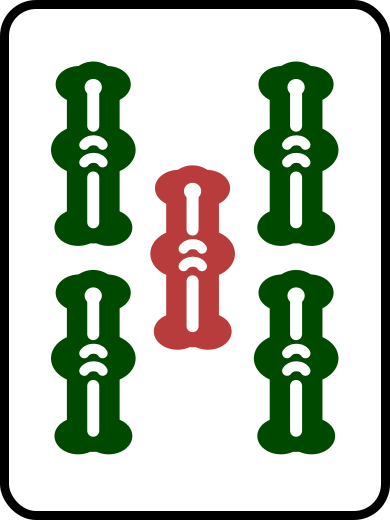
The 999p can only be read as a triplet, so the kan leaves your two-sided wait on 3s and 6s untouched. Riichi is the only yaku, and the hand holds no dora. Before the kan, a counts 20 fu, plus 10 for a closed ron and 8 for the closed 999p: 38, rounded up to 40. That's 1 han 40 fu, 1,300. The closed quad of terminals swaps that 8 for 32: 62, rounded up to 70, and the same ron pays 2,300. You also get a fresh draw that can win, and a new dora that you, the only player in riichi, are best placed to use.
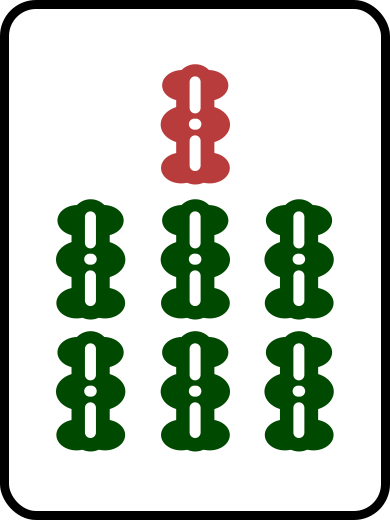
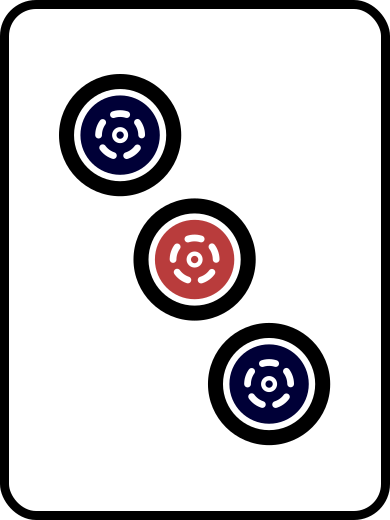
Compare in a riichi hand. Read as 666s plus a single 7s, or as a 66s pair plus 67s, it waits on 5s, 7s, and 8s: 11 tiles. Kan the 6s and only the on the 7s is left, 3 tiles, so riichi doesn't allow it. Outside riichi the client lets you kan anyway, so check whether the fourth tile is already working. In , one 3p is half of the two-sided 34p. Kan the 3p and the 4p is left as a loose (isolated) tile: you've traded a two-sided shape for one fresh draw.
One more cost: any kan, a closed one included, ends every player's chance, your own too. The ippatsu page lists everything else that closes the window.
East 1, turn 4. Nobody has called or declared. You're West, so the North is a guest wind.
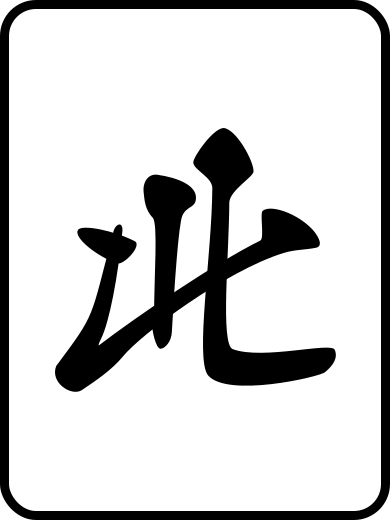
You draw the fourth 2m. Kan or not?
Show the answerHide the answer
Kan
Kan. Nobody has shown anything, and your 1-shanten has two two-sided shapes, so you're likely the closest player. Cut the 2m or the North without a kan and 16 tiles make tenpai. Kan first and you keep the same 16, draw a fresh tile that might be one of them, and still have the North to cut. The quad adds fu too: once you riichi, a dora-free ron with riichi and goes from 2,600 to 3,200 (40 fu to 50).
Added kan: the tile you add can be robbed
Like a closed kan, an added kan rescues a wasted draw. The quad lifts your pon from 2 fu to 8 for simples, or from 4 to 16 for .
The risk is chankan, . Any player waiting on the tile you add can ron it, and your kan never happens. Chankan is a yaku by itself, so even a tenpai with no other yaku can rob the tile. The added tile carries at least the risk of a discard: if you'd fold rather than throw it, don't add it either. A closed kan is safe from this, except against thirteen orphans on Mahjong Soul. Tenhou doesn't allow even that.
East 3, turn 10. You're not the dealer. The player on your left declared riichi three turns ago. You called pon on the white dragon earlier.
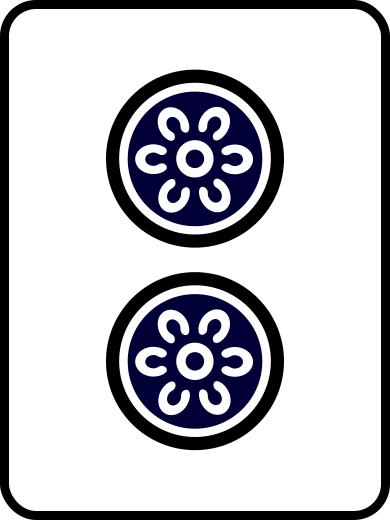
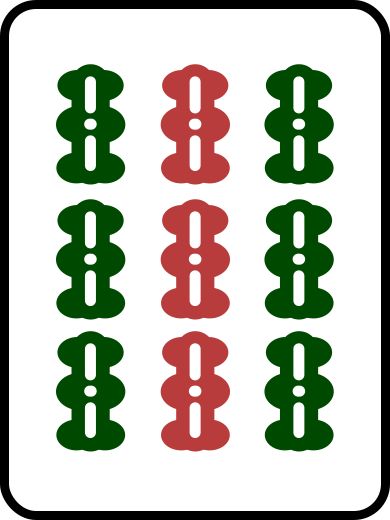

You draw the fourth white dragon. You're tenpai on the 8s. Add it for a kan, or not?
Show the answerHide the answer
Don't kan
Don't kan. Your hand pays 1,000 on a one-sided wait for the 8s, four tiles at most. The kan lifts it to 1,300, 40 fu instead of 30. For those 300 points, the riichi player, at least as close to winning as you, gets a new dora and a kan ura chance, and you get a replacement tile you may not want to discard. The white is about as safe as a tile gets, even as an added kan: the other three sit in your pon, so only thirteen orphans can win on it. The risk here is the dora, not chankan. Throw it and stay tenpai.
Open kan: almost never from a closed hand
An open kan gives you the least of the three. There's no wasted draw to rescue: you call a tile someone else threw, and the replacement tile stands in for your turn's draw. What's left is 4 or 8 more fu for the set and a new dora for the whole table.
It also opens your hand. Riichi, , and the other closed-only yaku are gone, and if riichi was the hand's only yaku, it now has none. From a , that's almost never worth it.
From a hand that's already open, an open kan is fine when you're tenpai, your yaku stays, and nobody has declared. It's East 1, you sit South, and you hold this hand with no dora.
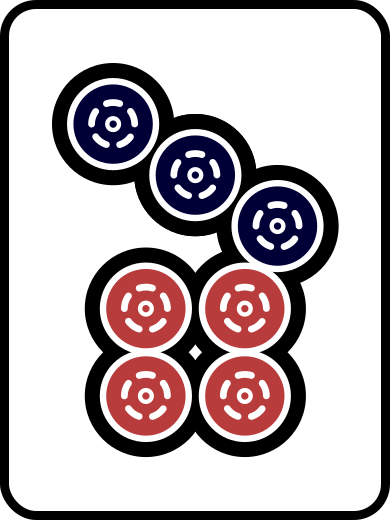
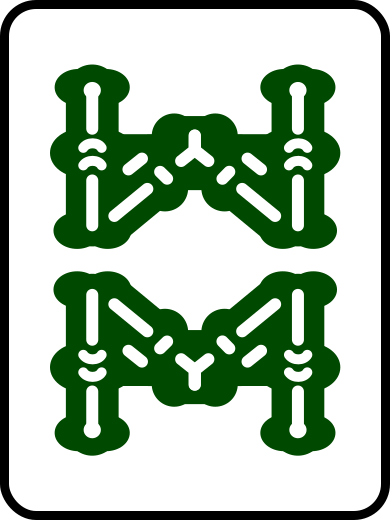
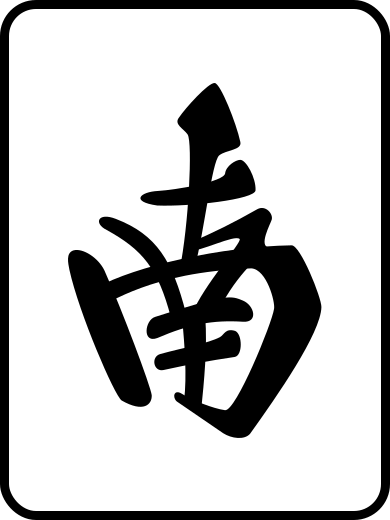
One , a closed triplet of South, your , and a two-sided wait on 5p and 8p. The fourth South comes out. The kan lifts that set from 8 fu to 16, which takes a 1,000-point ron to 1,300, and the new dora goes to a table where you're closest. Small, but yours.
East 2, turn 5. Nobody has declared. You're South, so the West is a guest wind. The player across discards the 3s.Dora 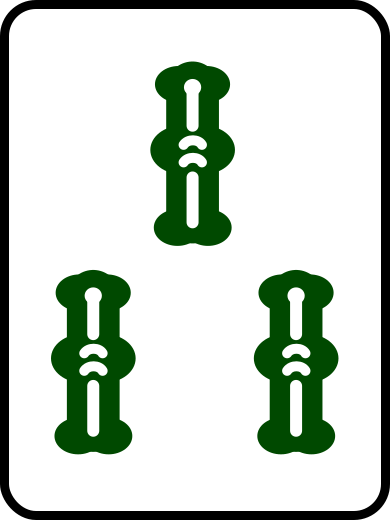

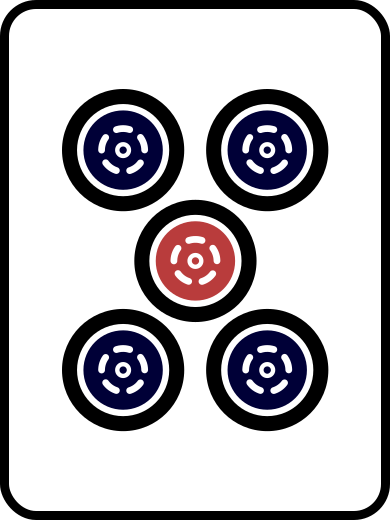
Call an open kan on the 3s, or let it go?
Show the answerHide the answer
Don't kan
Don't kan. Four dora sound good, but the 9m and the 1p pair rule out open tanyao, and you hold no value honor. The yaku has to come from staying closed: riichi, or menzen tsumo on a self-draw. The open kan takes both away and leaves only flukes, such as a last-tile win. Stay closed. Twelve tiles take you to tenpai, and riichi with your three dora is 4 han 40 fu: a , 8,000 on a ron.
Check your hand before you kan
Paste the hand you hold when the fourth copy arrives. The analyzer gives your shanten and the tiles that move you forward, which is your half of the who-is-closest question.
Open the hand analyzer