South 3, turn 10. The dealer across the table declared on turn 6. On turn 9 the player on your left chased with a second riichi, cutting a 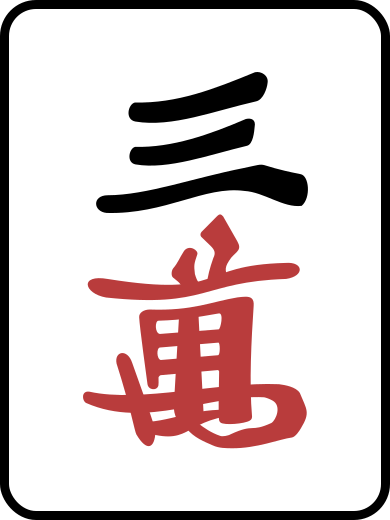 . Your hand is three tiles from and worth nothing. You're folding. The question is who gets your safe tiles first.
You hold one tile that's against the dealer, one that's against the chaser, one that turns out to be safe against both, and a pile of tiles that are safe against nobody. Every discard from here spends safe tiles you can't get back.
Field medics call this triage, from the French verb trier, to sort: deciding who gets treated first when there isn't enough care for everyone. A fold against two hands is the same problem, with safe tiles in place of care. Deciding to is easy. The points leak out in the order you fold.
Where triage comes from
Modern triage goes back to two surgeons in Napoleon's armies, Dominique-Jean Larrey and Pierre-François Percy. Larrey, born in 1766, became surgeon-in-chief of Napoleon's Consular Guard and adapted horse artillery carriages into "flying ambulances" to move the wounded fast. His rule was to treat the wounded according to the seriousness of their injuries and how urgently they needed care, regardless of their rank or nationality.
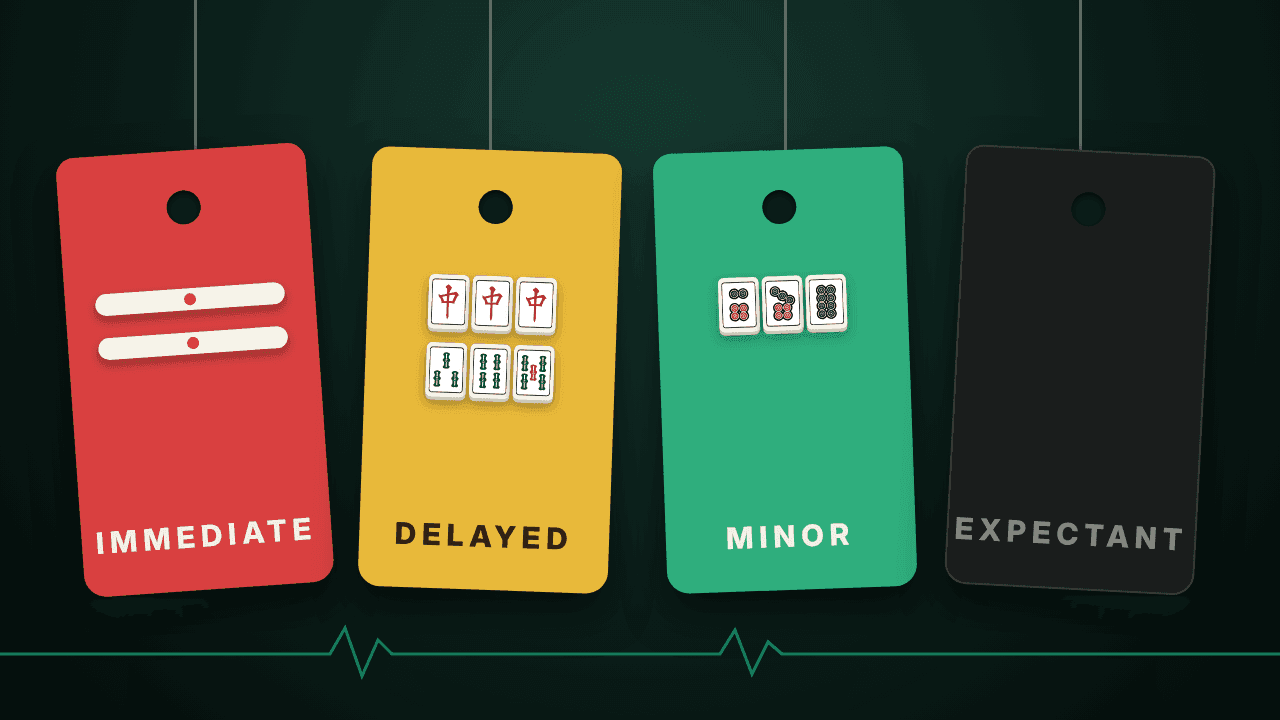
A modern version is START, Simple Triage and Rapid Treatment, developed in 1983 by staff at Hoag Hospital and the Newport Beach Fire Department in California. It sorts casualties in seconds. Anyone who can walk is sent aside first. Everyone else gets three checks. Are they breathing faster than 30 a minute? Is the radial pulse missing, or does the capillary refill take longer than 2 seconds? Can they follow a simple command? The answers put each person under one of four tags: red for immediate, yellow for delayed, green for the walking wounded, black for the deceased or expectant.
START runs on speed and a fixed order. A responder with ten casualties and two hands sorts first and treats second. That's your turn with two riichi sticks out.
The three checks for a tenpai hand
After the walking sort, START runs three checks. So does a fold against more than one threat.
Check one: is it tenpai? A riichi is tenpai, full stop. An open hand might be. In Tenhou logs 2016 to 2020, a hand with one call is tenpai 26.8% of the time at turn 8, two calls 53.3%, and three calls 88.5%, as laid out in the open hand tenpai post. Those odds come from tables before anyone declared riichi, so treat them as a starting point once a stick is down.
Check two: how big? Dealer hands pay 1.5 times as much. In the same logs, a non-dealer riichi from turn 8 that wins by averages 5,869 points and a dealer riichi 8,179. That weights in wins and leaves out sticks and . Visible pushes an open hand up the list: a ponned is three before the hand has a yaku.
Check three: does it move your place? This check can overrule the first two. A deal-in costs points, but the rank table pays for placement, so who you pay can matter as much as how much.
The tags sort threats into groups. Inside a group, size sets the order, and placement can overrule it.
| Tag | Threat | Why |
|---|---|---|
| Red | A riichi, any hand with three calls, a dora with a second call | Tenpai for certain, 88.5% likely at turn 8, or a two-call coin flip already carrying three dora |
| Yellow | Two calls, or a dora pon on its own | 53.3% tenpai at turn 8 with two calls, a coin flip. A lone dora pon is only 16.1%, but it carries three dora |
| Green | One call, or a one-call | 26.8% tenpai at turn 8, and 14.0% for a one-call honitsu |
| Black | A hand whose win can't cost you a place, even at its high end | Real, but your safe tiles do more good elsewhere |
The black tag is the cold one in START too. The threat is real. Spending safe tiles on it just saves you nothing. In mahjong that mostly happens late in the game, when a player's best realistic hand still leaves you where you are.
First, the tile that's safe against both
A riichi player who passes on a winning tile becomes and can't ron for the rest of the hand. So any tile thrown after a riichi, by anyone, that the riichi player let pass is safe against them for the rest of the hand. Against the dealer who declared on turn 6, every tile thrown since turn 6 is safe. That includes the chaser's riichi tile, the , which the dealer let go by. And the 3m is the chaser's own discard, so it's genbutsu against them too. Here's the hand.
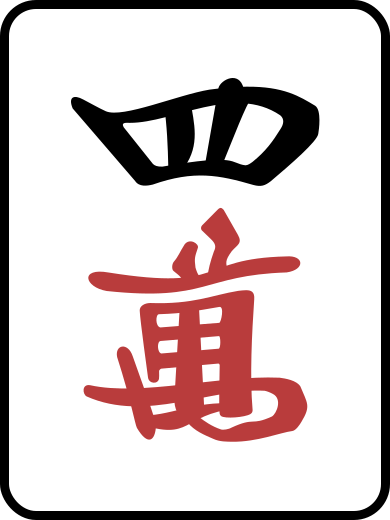
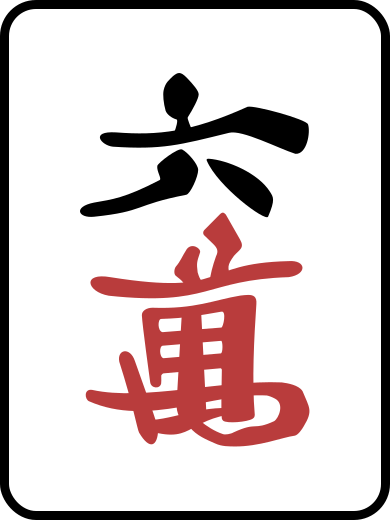
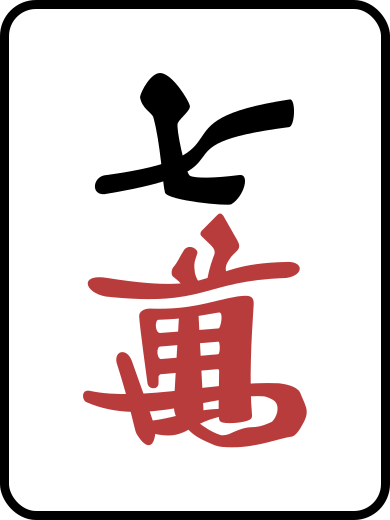

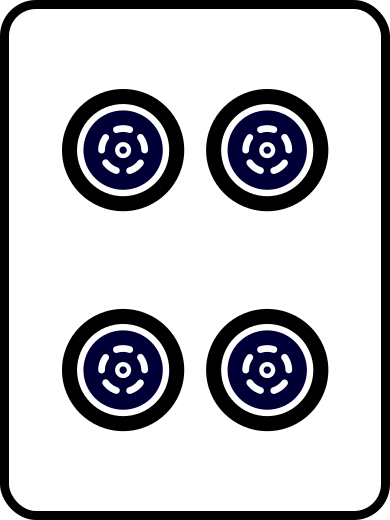
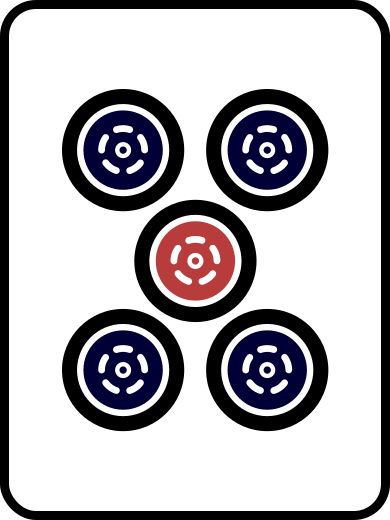
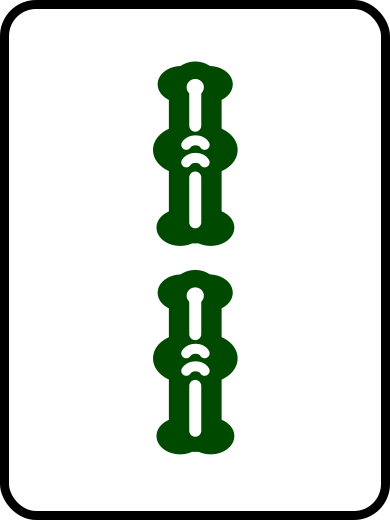
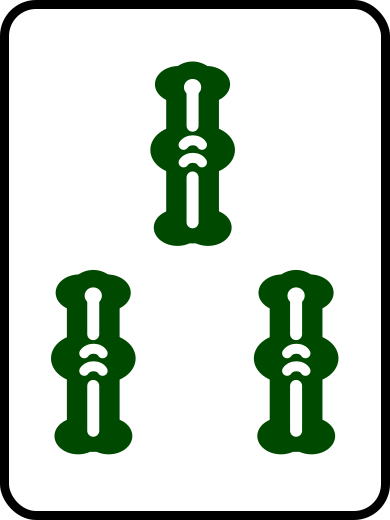
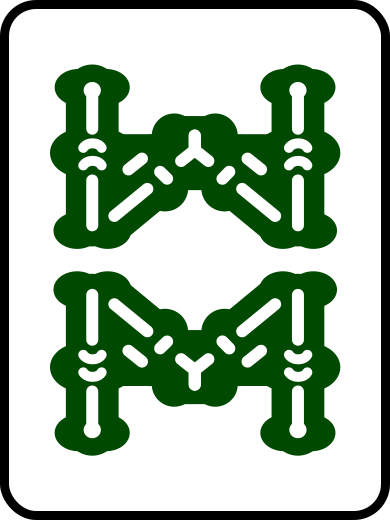
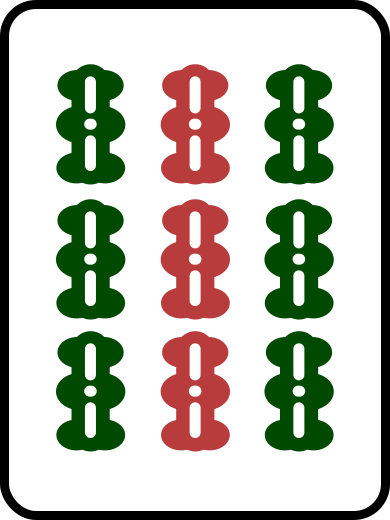
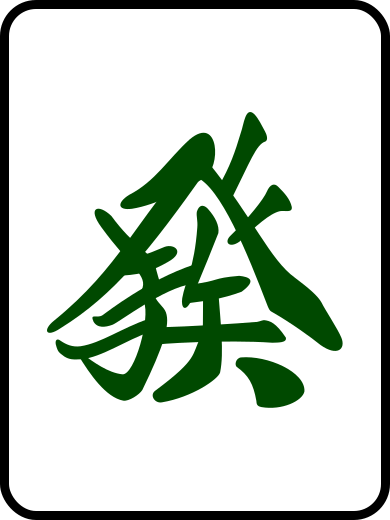
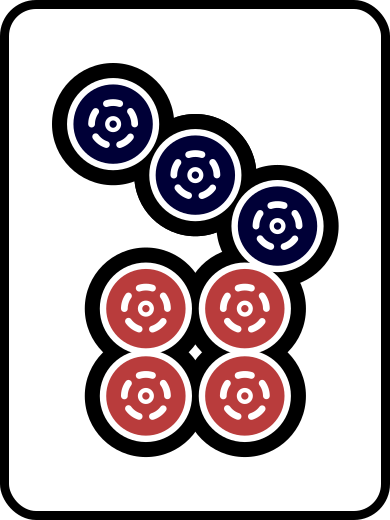
Three tiles from tenpai, no dora, nothing worth defending. Your safe tiles:
- : the chaser's riichi tile. Safe against both, and the only tile you hold that is.
- : in the dealer's pond from turn 2. Safe against the dealer, live against the chaser.
- : in the chaser's pond from turn 3, before the dealer's riichi. Safe against the chaser, live against the dealer.
The 3m goes first. That part is free. Triage starts next turn, when you have to choose between the 9s and the 1p, two terminals, each safe against one player and live against the other. You'll likely need both before the hand ends. The order decides which threat gets the safe tile on the turn it matters.
When placement overrules points
Check two points at the dealer: 8,179 against 5,869 on average. Throw the 9s first, then the 1p.
Now run check three. Here are the scores, with the two sticks already on the table.
| Player | Score | Place |
|---|---|---|
| Dealer (riichi) | 36,000 | 1st |
| You | 33,000 | 2nd |
| Chaser (riichi) | 23,000 | 3rd |
| The fourth player | 6,000 | 4th |
Deal into the dealer for the average 8,179 and you drop to 24,821. The dealer takes the hand and the two sticks and climbs to 46,179. That leaves you 21,358 behind 1st, a long way back. But the chaser still has 23,000, so you hold 2nd by 1,821.
Deal into the chaser for the average 5,869 and you drop to 27,131. The chaser takes 5,869 plus the 2,000 in sticks and climbs to 30,869. You're now 3rd, 3,738 behind.
The smaller deal-in cost you a place. A payment to the player just below you comes out of your score and into theirs, so it closes the gap twice. A payment to the player above you only closes it once. In a Houou , 2nd pays +45 and 3rd pays 0, so that one place is worth 45 points at any rank.
Averages hide where the line sits. With these scores, any deal-in to the chaser bigger than 3,900 lets them pass you, so a 5,200 is enough. A deal-in to the dealer drops you to 3rd only above 9,600, which in practice means 11,600 or a .
Both riichis are red tags, so the tags don't settle it. Check three does. With these scores I'd throw the 1p right after the 3m: the chaser goes first. Early in the East round, with most of the game still ahead, sort by size and protect against the dealer. From the South round on, sort by who the payment lets pass you.
Two riichis make your fold cheaper
Two sticks on the table feel like twice the danger. For the player who folds, the logs say the opposite.
| You are | On the table | Fold price |
|---|---|---|
| Non-dealer | One non-dealer riichi | -1,120 |
| Non-dealer | Two non-dealer riichis | -930 |
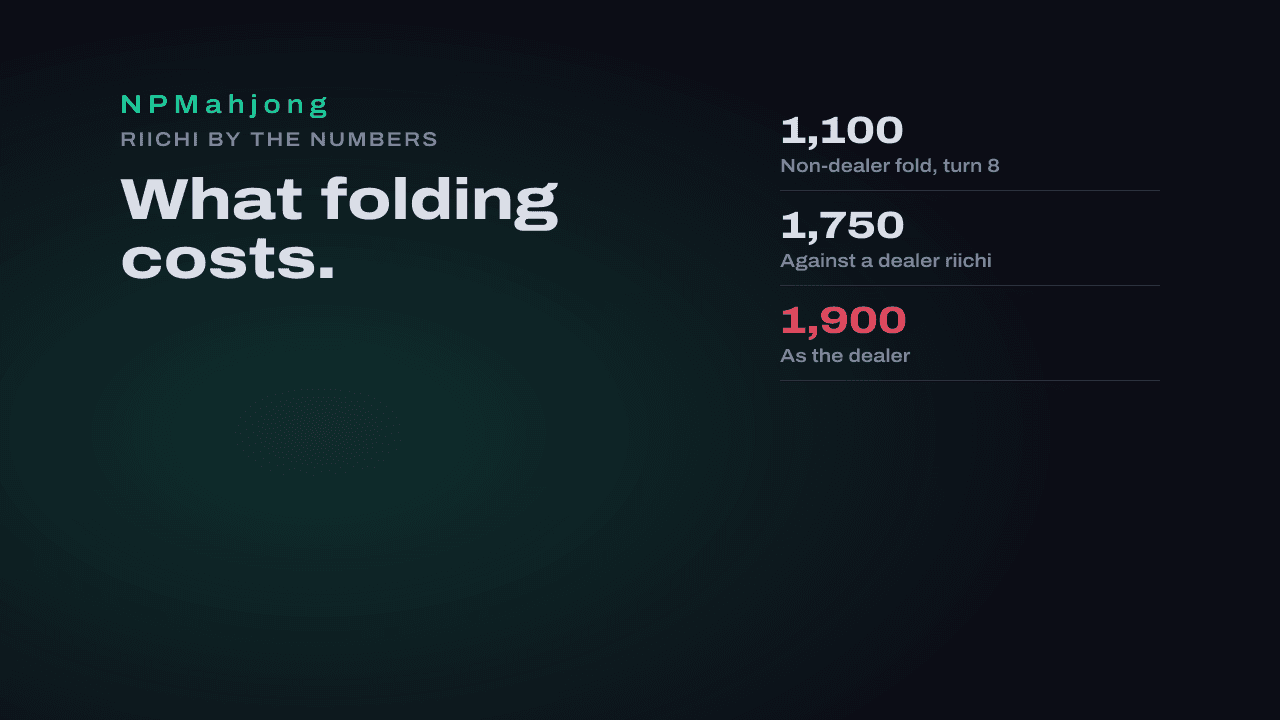
| Non-dealer | Dealer riichi | -1,750 |
| Non-dealer | Dealer riichi and a non-dealer riichi | -1,300 |
| Dealer | One riichi | -1,890 |
| Dealer | Two riichis | -1,710 |
Facing the dealer's riichi alone, a clean fold costs a non-dealer 1,750. Add a second riichi and it drops to 1,300. The two riichi players are in a fight with each other, and often one deals into the other, which costs you nothing. The full table is in what folding costs.
Let them fight. Your job is to stay out of it, and that takes safe tiles spent in the right order.
Where the field hospital analogy breaks
Triage exists because care is scarce. At the table the scarce thing is safe tiles, and the patient is you. Larrey's rule ignored rank. Yours can't, because placement is what sets your order.
The tags also move. A green-tag hand that makes a second call jumps from 26.8% to 53.3% tenpai and turns yellow. A two-call hand that throws a dora at turn 8 goes from 53.3% to 67.1%, by the open-hand logs. Re-run the checks on every discard, for every player, including the ones without a stick down.
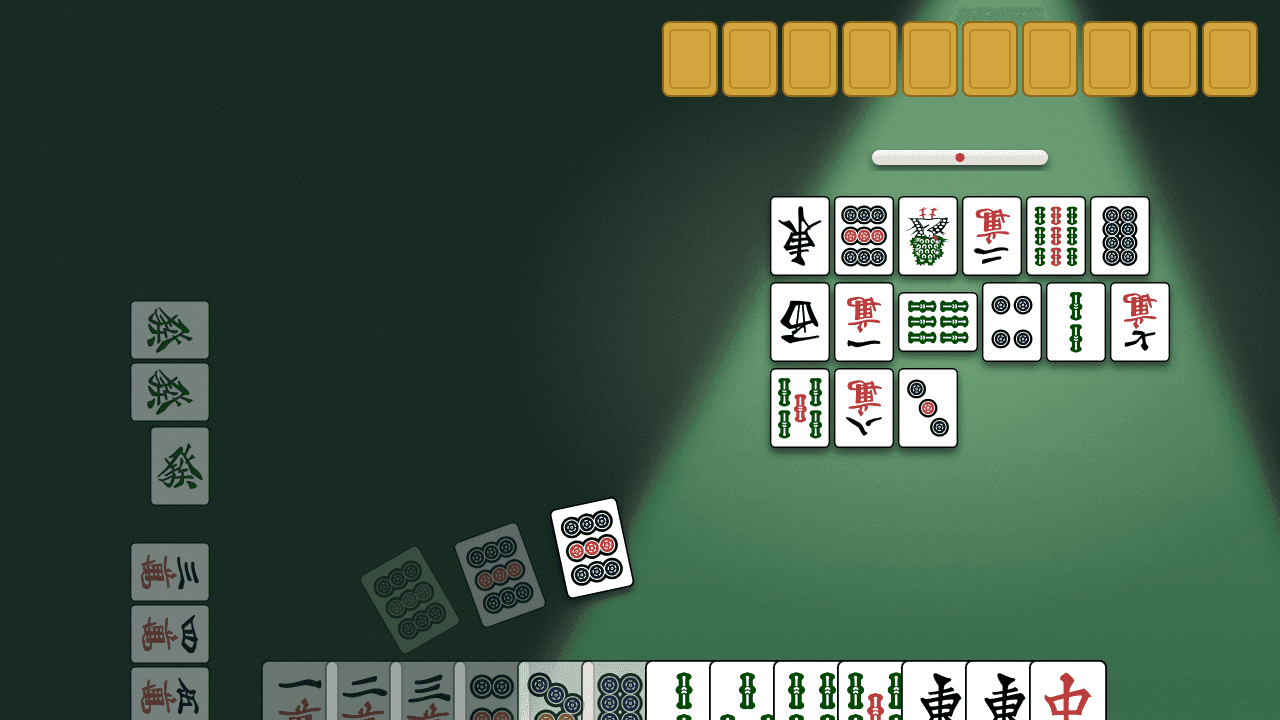
And triage is for folding. If you're tenpai on a with a hand worth chasing, you're deciding whether to defend at all. That's a push-or-fold call, and the push-or-fold calculator handles it.
The drill: tag every threat
For your next five hanchan, every time two players are tenpai or close to it, say the tags in your head before you discard. "Dealer riichi, red. Two calls on my left, yellow." Then say which tile is safe against the red tag, and whether one tile is safe against both.
After the session, run each live tile you threw through the deal-in danger tool. It gives the base rate: how often a riichi or an open hand waits on that tile, dora or plain, before any read of the pond.
If you'd like someone to check the order you spent your safe tiles in, send me your games for a review. Two-threat folds are where order matters most, and the log shows every mistake.
Was this article helpful?