
Playing more won't make you better by itself. A (a full East-South game) grades you by its result, luck writes much of that result, and the next game is one click away. Fifteen minutes after each game, spent on the right two hands, changes that.
Review two hands after every hanchan
A hanchan runs about ten hands, and most of them change nothing. Two usually decide the game. Review those and leave the rest alone.
- The . If you dealt in twice, take the expensive one. With no deal-in, take the hand where you folded your most expensive .
- The hand that decided your place. Often the hand, or the one where you slid from 2nd to 4th.
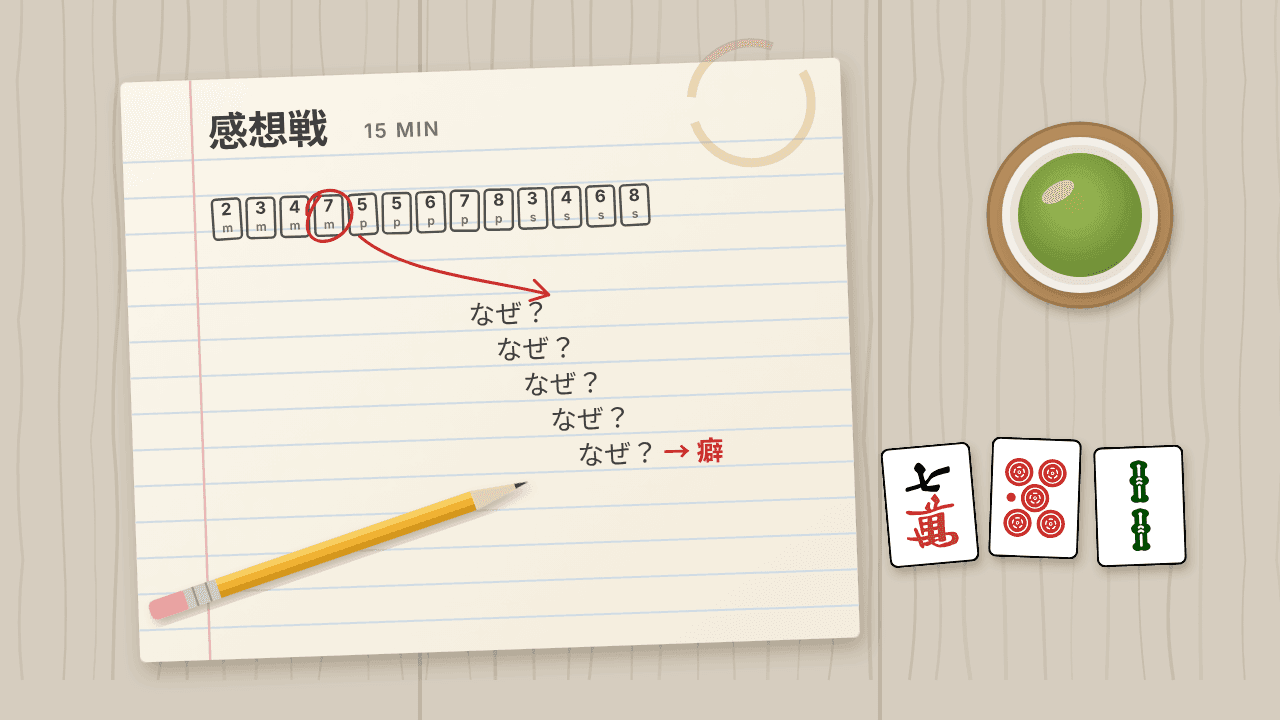
Replay each from your own first discard. At every turn, say what you'd cut now before you look at what you did cut. Stop at the first turn where the two differ, then ask why until the answer is a habit, not a tile. "I cut a no-read 5s into the dealer's " is the tile. "It kept my 1,300 tenpai" is the reason. "Tenpai means push" is the habit, and you can change it. "I got unlucky" changes nothing.
Grade by what you could see at the time. The replay shows the other hands, so now you know which tile was the wait. At the table you knew the rivers, the turn, your wait, and your price. The luck-or-skill lesson set the rule: a right push that dealt in stays right.
The course is your answer key. The push-or-fold checklist grades a push, and When to riichi grades a dama, a tenpai you kept silent. Below Mahjong Soul's Master rank, you still play the simple rules at the end of this lesson. Run the checklist in review anyway: it shows what each fold cost you.
Then write one line per hand, in the same columns every time, so a month of them scans in a minute.
| Hand | What I did | What I'd do now | The habit |
|---|---|---|---|
| South 3, turn 8: the deal-in | Cut a no-read 5s into the dealer's riichi from a 1,300 (middle wait) | Fold, with two safe tiles in hand | "Tenpai means push" |
| South 4, turn 2: the placement hand | Built a fast hand from 3rd | Build the 3,900 I needed | Didn't count my number first |
After twenty lines, the habits start repeating. The kansousen post runs the whole routine in 15 minutes, with the full chain of whys. Kansousen is shogi's post-game replay.
Decide first, then open the AI
Two AI reviewers read your logs: Mortal, free and open source, and NAGA, a paid service. Both step through your log turn by turn and show what they would have played. The mahjong AI post covers how to run them.
Open the AI last. Write your line first, then check those two turns. Open it first and you'll nod at its top choice and learn which tile it liked. You won't learn why you missed it, and that was the point of the review.
Skip the match rate, the share of your decisions that agreed with the AI. It counts each one once, so a turn-2 honor cut weighs as much as the All Last push that decided your place. NAGA's summary numbers also cover discards only, so a riichi you shouldn't have declared never touches them. With time for more, look for the biggest disagreements instead: the two or three turns where the AI's choice and yours sit furthest apart. The AI cutting the 9s where you cut the 1s on turn 3 is a small gap. The AI folding at turn 11 where you pushed a fresh tile is a big one, and worth a line.
When you still can't explain its tile after a minute, write both tiles down and move on. The AI's choice is an average over hands you couldn't see, and sometimes your read of the table beat it. One disagreement proves nothing. The same one in five reviews is a habit.
Drill a little every day
Drills make the counting automatic, so your thinking time at the table goes to the close calls. Ten minutes a day beats an hour on Sunday. Count out loud before every click.
- The daily discard problem. One hand a day, then the tile count for every discard.
- The efficiency trainer. The same question, as many hands as you want.
- The wait quiz. It marks you wrong if you miss a single winning tile.
- Deal-in danger. Defense: pick a tile against a riichi and see how often a tenpai hand waits on it.
Know what a drill grades. The trainer and the daily problem count and ignore value, safety, and the score, on purpose. They teach the widest cut. When to break it comes from the rest of the course and from your reviews. Run your close push-or-fold calls from the journal through the push-or-fold calculator.
Spend your week in thirds
Split your study time three ways: a third drills, a third play plus review, and a third on one weak area for the month. The one-third rule post lays out a three-hour week, an hour per third, and a six-hour one, slot by slot.
Let your journal pick the month's area. After ten reviews, one kind of decision keeps coming back, usually calling, All Last, reading a riichi, or push or fold. Each has a lesson: When to call, All Last decisions, Reading discards, and Push or fold. Reread yours, redo its problems, then watch for that line in the next month's reviews.
Judge the month by the journal, not your stats. As the luck-or-skill lesson showed, a rate needs 300 games before it says much. Set the number of games before you sit down, play rested, and stop after a big blunder. A bad week is no reason to change how you play. Check the logs, and if the decisions hold up, play them again.
Your own review finds the loud leaks. It misses the habit you don't know is a mistake, because you'll grade it right every time. When your rank won't move but the journal shows no pattern, or the same line keeps coming back after a month on it, a second pair of eyes helps. That's what my game reviews are for: send me your logs and I'll name the habit costing you the most.
Keep the simple rules until your rank says otherwise
Japanese arts teach in three stages, shu-ha-ri: obey the form, break it, then leave it. The shuhari post maps them onto Mahjong Soul's ranks. Novice to Expert is shu, Master and Saint are ha, and Tenhou's top room is ri.
The shu rules are three. Riichi every closed tenpai. Fold completely against every riichi. Never call unless the call leaves you a yaku. Keep them until Master, apart from the spots the course taught for every rank, like a dama that already settles your placement or a late call for .
From Master, break each one where a number backs the exception. Dama a two-sided from turn 12 (the site's numbers count turns from zero, so that's your 13th discard), and push a two-sided tenpai against a non-dealer's riichi. The yaku rule turns into a speed rule: call when the call brings a yaku and real speed, like a on a hand with . Below Master, use them in your reviews, not at the table. The common way to stall is breaking a rule one stage early: dama at Adept, or narrow-wait pushes at Expert. Ri has no rules to list. You get there by obeying and breaking in the right order.
Practice
One problem from each part of the course: building a hand, declaring riichi, and defending. Decide your answer and your reason before you tap, the way you'd write your line before opening the AI.
East 1, turn 5. Nobody has declared.
You draw the 3p. Which discard leaves the most tiles that make you tenpai?
Tap the tile you would cut.
Show the answerHide the answer
Cut 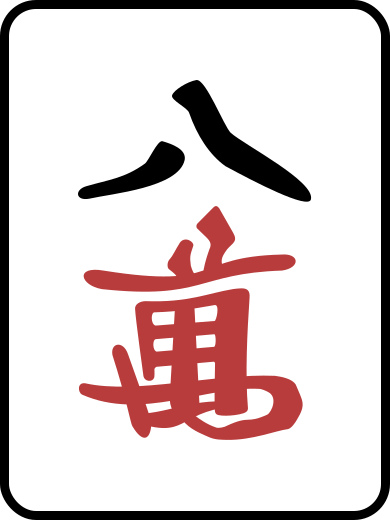
Cut the 8m: 33 tiles make tenpai, ten more than any other cut. The 5m and the 8m both lean on the same 6m, so the 568m is one block with a spare. Without the 8m you hold a headless 1-shanten: 23456m, the 13p, the 567p, and the 222s, a triplet that can give up a 2s to become your pair. Cutting the 1p or the 3p keeps 23 tiles, and breaking the triplet for a pair keeps 15.
East 2, turn 7. Nobody has declared. You're not the dealer. Tanyao and two dora: 5,200 by ron without riichi.Dora 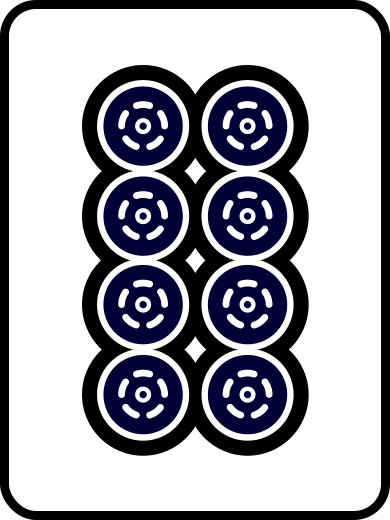
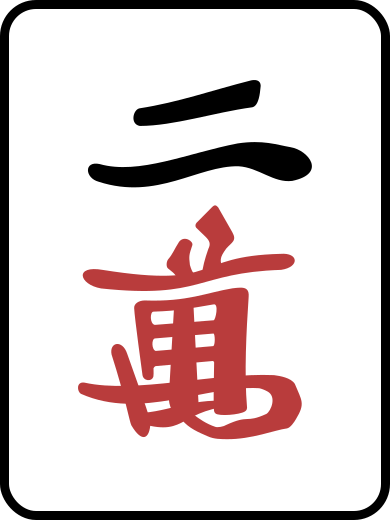
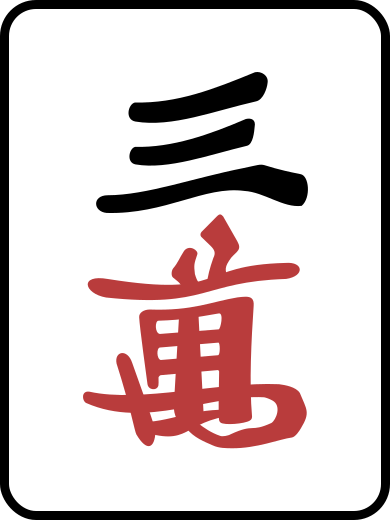
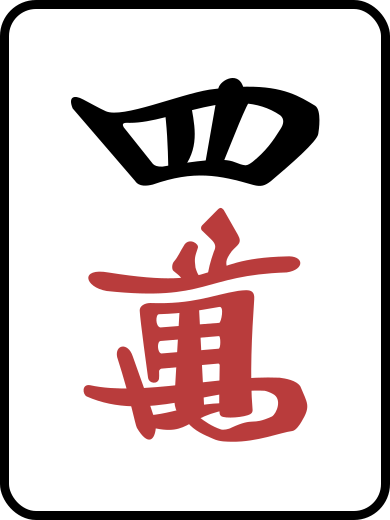
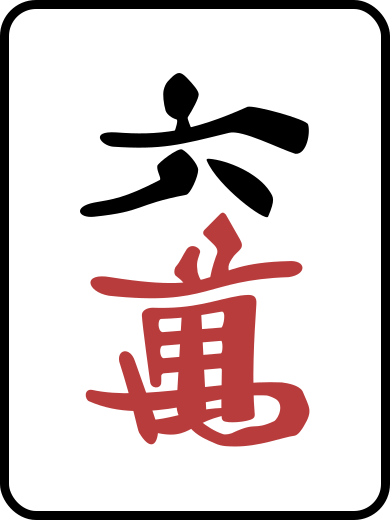
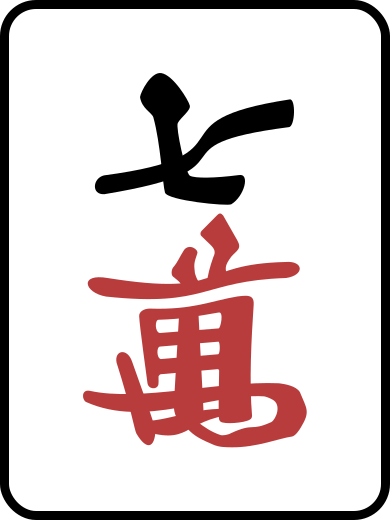
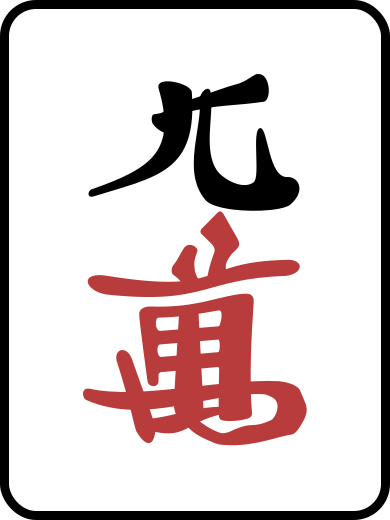
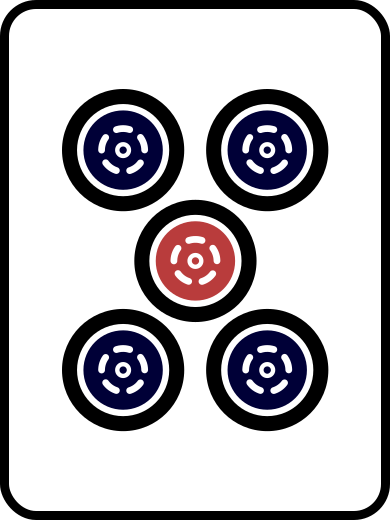
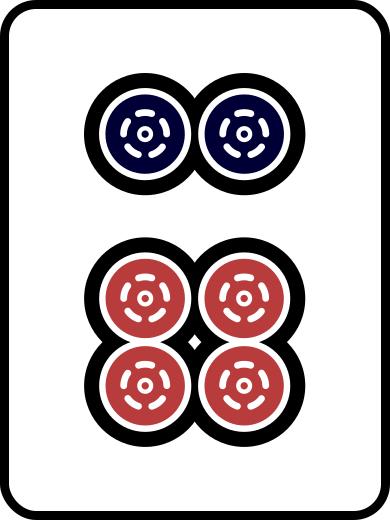
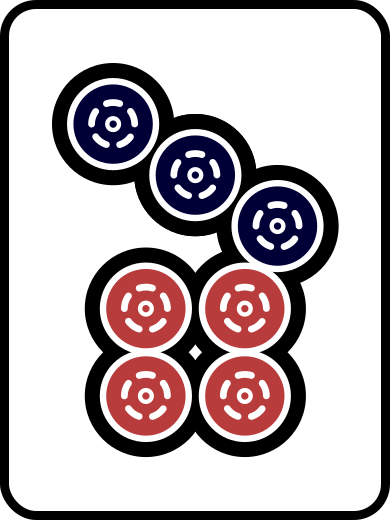
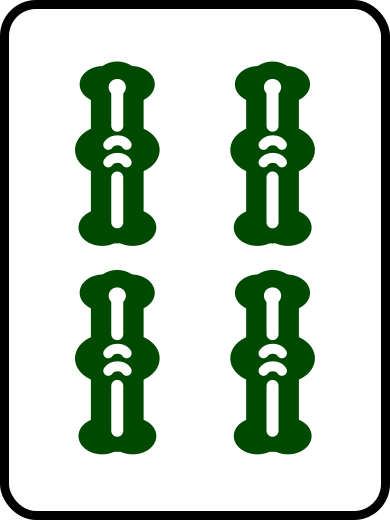
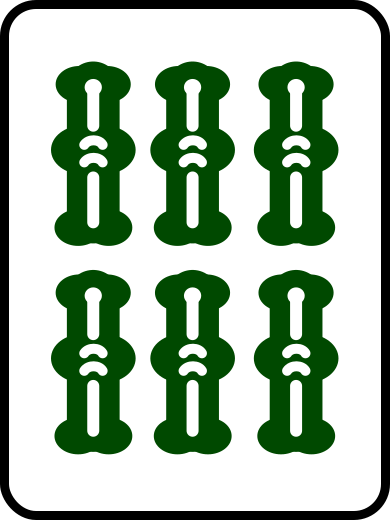
You draw the 6s and cut the 9m for tenpai on a 5s kanchan. Riichi or stay dama?
Show the answerHide the answer
Riichi
Riichi. A one-sided 5,200 isn't on the short list of quiet hands, and riichi makes a 4 40 fu, a mangan: 8,000 instead of 5,200. A tsumo gains less, since dama already has and pays 2,000/3,900, though one ura dora or lifts a riichi tsumo to a . In the site's rough comparison of logs from Tenhou's top room (), dama wins about 6 percentage points more often on this wait at turn 8, less than a two-sided wait's 10. The list has you riichi even a two-sided 5,200 this early.
South 2, turn 9. You're not the dealer. The dealer declared riichi at turn 6. Their river includes a white dragon, and nothing that makes the 8m or the 4s safer. No dora in your hand.
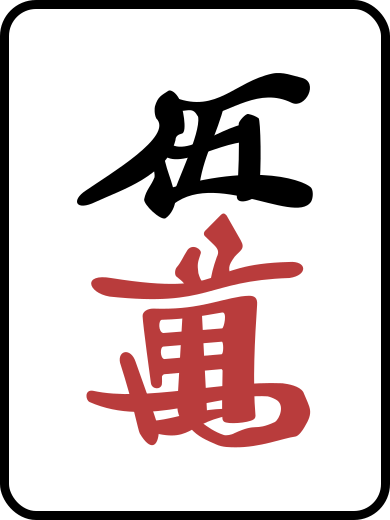

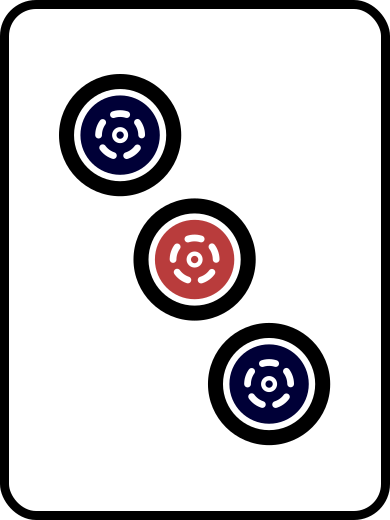
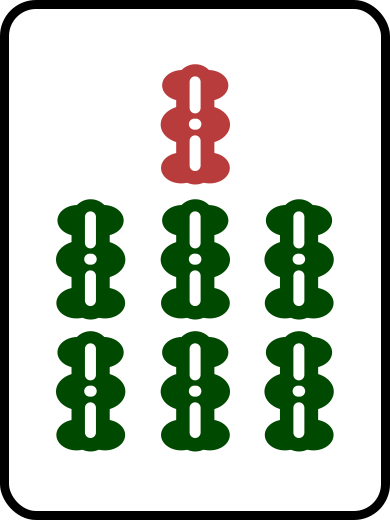


You're replaying a hand you dealt in on, and you reach this turn. You draw the 8m. Push or fold?
Show the answerHide the answer
Fold
Fold. Start the checklist at the top: 1-shanten, with 12 tiles to tenpai (the 1p, 4p, and 7p), about 10% a draw by the five-sixths rule from 1-shanten against a riichi. Eight of the 12 leave a 7p kanchan, and every tenpai pays riichi alone, 1,300: narrow and cheap enough to fold even against a . Pushing means the live 8m now and the live 4s later into the dealer's riichi, while your two whites are (tiles the riichi player can't ron). If you pushed here in the game, this turn gets your journal line, whatever came next.
Solve today's discard problem
A new hand every day at midnight in Japan. Pick your discard and say why before you tap, then check the tile count for every cut. Start your ten minutes of drills here.
Open today's problem